Norway Mourns King Harald V as European Leaders Pay Their Respects
King Harald V of Norway, the longest-reigning monarch in Europe, has died following a period of hospitalisation in Oslo, triggering an outpouring of condolences from royal households and heads of state across the continent and beyond. His passing marks the end of a reign that had come to define modern Norwegian national identity over more than three decades on the throne.
The king had been admitted to hospital in Oslo on 17 August after being diagnosed with haemolytic anaemia, a serious medical condition in which red blood cells are destroyed faster than the body can produce them. Despite receiving treatment, his condition is reported to have deteriorated in the days that followed, and he passed away surrounded by his family, according to reports from Norwegian media and palace officials.
A Reign Defined by Stability and Popular Affection
Harald V ascended to the Norwegian throne in 1991 following the death of his father, King Olav V, and quickly established himself as a deeply popular figure both at home and internationally. Known for his accessibility and commitment to public life, he was widely credited with modernising the Norwegian monarchy while preserving its ceremonial and constitutional role. Over his more than thirty years as king, he became a symbol of national continuity through periods of both celebration and tragedy, including the devastating 2011 terrorist attacks that killed 77 people.
As Europe’s oldest reigning monarch at the time of his death, Harald held a unique position within the continent’s network of royal families. His passing prompted immediate reactions from ruling houses across Europe, with messages of condolence arriving from Buckingham Palace, the Spanish Royal House, and other European courts, according to official communications. World leaders also expressed their sympathies, with several heads of government praising his decades of service to Norway and to international diplomacy.
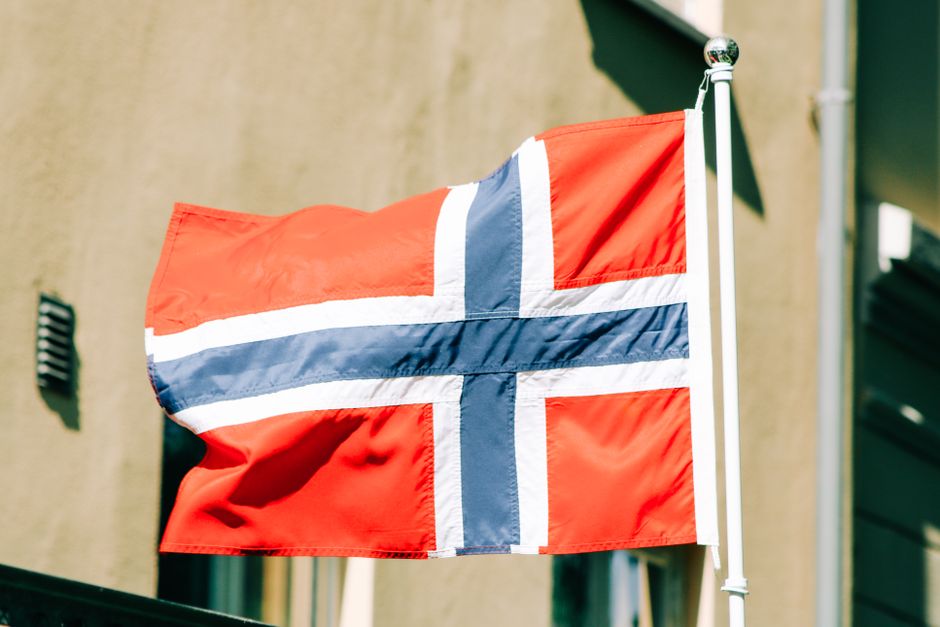
Within Norway, national flags were lowered to half-mast as the country entered a period of official mourning. The Norwegian government convened to address questions of succession and the formal protocols that accompany the death of a reigning monarch. Under Norway’s constitution, the crown passes to his son, Crown Prince Haakon, who is expected to be formally proclaimed king in the days ahead.
Crown Prince Haakon, 50, has long been regarded as well-prepared for the role, having represented the royal family at numerous state functions both domestically and abroad. His wife, Crown Princess Mette-Marit, has also been a prominent figure in public life, and the couple are expected to bring continuity to the institution during what will inevitably be a period of national grief.
Norway’s royal family has historically enjoyed strong public support, with surveys consistently showing high approval ratings for the institution of the monarchy. Harald’s death is likely to prompt renewed reflection on the role of constitutional monarchies within modern European democracies, even as the nation turns its attention to the transition of power. Funeral arrangements are expected to be announced by the palace in the coming days, with foreign dignitaries anticipated to attend from across Europe and beyond.