
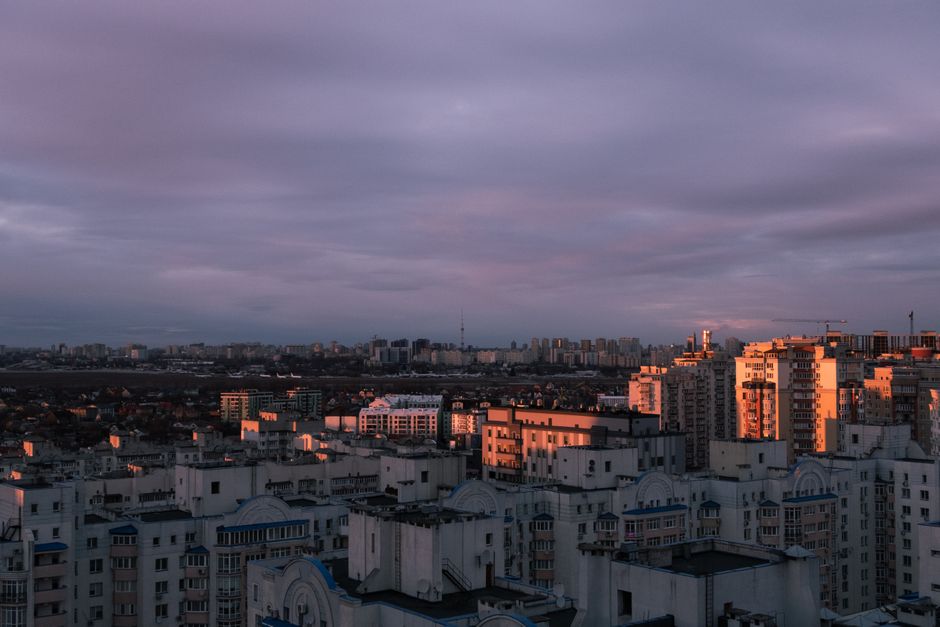
Living Under the Sirens: How Kyiv’s Civilians Endure a War Fought From the Sky
For the residents of Kyiv, the sound of an air raid siren has become as routine as a morning alarm — an unwanted fixture of daily life that punctuates meals, work hours, and sleep alike. More than two years into Russia’s full-scale invasion of Ukraine, the Ukrainian capital continues to absorb wave after wave of aerial attacks, forcing its population to adapt to a rhythm of life defined by uncertainty, interrupted normalcy, and quiet resilience.
The pattern is familiar to anyone who has spent time in the city: the wail of sirens, a rush to shelters — basements, metro stations, reinforced stairwells — followed by an all-clear signal that may come minutes or hours later. Then life resumes, at least until the next alert. According to reports from journalists and aid organisations working in the city, the psychological toll of this cycle is cumulative and profound, wearing down even those who insist they have grown accustomed to it.
Civilians as Both Target and Backbone
What makes the situation in Kyiv particularly striking is the dual role its civilian population has been forced to occupy. While Ukrainian and Russian forces remain locked in attritional combat along the eastern and southern front lines, city dwellers far from the trenches find themselves directly in the crosshairs of long-range missile and drone strikes. Infrastructure sites, apartment blocks, and commercial districts have all been hit in attacks that Ukrainian officials and international observers have characterised as deliberate efforts to undermine civilian morale and economic capacity.
Yet those same civilians are increasingly recognised — by analysts, by Ukrainian officials, and by the residents themselves — as a critical variable in determining the war’s ultimate outcome. A population that continues to work, to sustain essential services, to pay taxes, and to support military logistics contributes in concrete ways to the country’s ability to fight. Civil society organisations have proliferated, with volunteers coordinating everything from drone procurement drives to psychological support networks for those struggling with trauma.
The mechanics of survival have become deeply embedded in urban routines. Businesses have invested in generators and backup power systems following repeated strikes on the electricity grid. Schools have shifted to hybrid or underground teaching models. Hospitals maintain contingency protocols. According to reports from humanitarian agencies operating in Ukraine, the adaptation has been remarkable but not without cost — to mental health, to economic productivity, and to the fabric of ordinary life that millions of Kyiv residents are determined to preserve.
International observers have noted that the steady drone of normalcy Kyiv projects — its open cafes, functioning public transport, and bustling markets — serves a purpose beyond mere habit. It is, in part, a form of collective defiance, a signal to both domestic and foreign audiences that the city has not been broken. Ukrainian officials have repeatedly emphasised that keeping the capital visibly functional carries strategic as well as symbolic weight.
For those living through it, however, the experience resists neat narratives of heroism or despair. It is, by most accounts, simply the texture of life now — exhausting, often frightening, and yet somehow continuing. The question that hangs over Kyiv, as it has since February 2022, is not whether its people can endure the pressure, but how long they will be asked to.