France Pushes Nuclear Expansion as EDF Plans New Reactors at Gravelines While Managing Grid Vulnerabilities
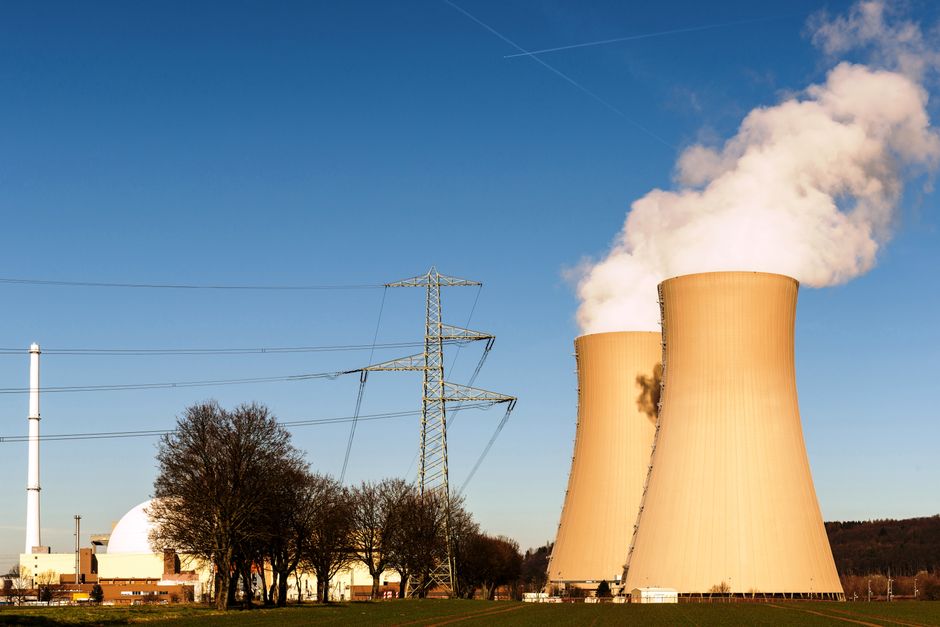
French state energy giant EDF is pressing ahead with long-term plans to expand its nuclear fleet, announcing preparations to develop two new reactors at the Gravelines facility on France’s northern coastline — the largest nuclear power station in Western Europe by installed capacity. The move signals Paris’s continued commitment to atomic energy as a cornerstone of its low-carbon strategy, even as the country’s existing plants contend with a growing range of operational pressures.
The Gravelines announcement is part of a broader government-backed programme to renew and extend France’s nuclear infrastructure, which officials have framed as essential to meeting both domestic energy demand and European climate commitments. The site currently operates six reactors and has long been considered a prime candidate for next-generation development given its established grid connections and coastal cooling water access.
Jellyfish and Heatwaves Expose Grid Fragility
The forward-looking expansion plans come against a backdrop of recent disruptions that have underscored the vulnerabilities within France’s existing nuclear infrastructure. According to reports, a sudden and large-scale influx of jellyfish forced EDF to shut down three reactors at the Gravelines plant, as the marine creatures clogged water intake systems used to cool the reactors. The temporary shutdowns highlighted an environmental challenge that operators in coastal locations have periodically faced but that has drawn renewed scrutiny.
The jellyfish incident compounded difficulties that had already emerged earlier in the summer. During an intense heatwave in early August, thermal restrictions and maintenance issues combined to take roughly a fifth of France’s total nuclear generating capacity offline, according to reports at the time. The confluence of extreme heat and the biological disruption at Gravelines placed notable strain on the national grid and prompted fresh questions about the resilience of a power system so heavily reliant on a single generating technology.
France depends on nuclear energy for a greater share of its electricity than almost any other nation, with atomic power typically accounting for around two-thirds of national output. That dependence has long been viewed as both an economic advantage — giving France among the lowest wholesale electricity costs in Europe during stable periods — and a structural risk when multiple plants face simultaneous outages.
EDF, which is fully state-owned following the government’s renationalisation of the company, has been working through an extensive maintenance and inspection backlog affecting much of its fleet. Stress corrosion issues discovered in recent years led to a record number of reactor shutdowns, sharply reducing output and contributing to the energy market tensions that swept across Europe following Russia’s invasion of Ukraine. The company has since worked to restore capacity, though the recovery has been gradual.
The planned site preparation at Gravelines for two new reactors is expected to take several years before construction could formally begin, with the broader new-build programme in France involving a potential total of six to fourteen additional reactors across multiple sites, according to government projections. Regulatory approvals, environmental assessments and financing arrangements remain ongoing processes. For now, EDF’s focus on Gravelines represents an early but symbolically significant step in what French authorities have positioned as a generational reinvestment in the country’s nuclear future.