
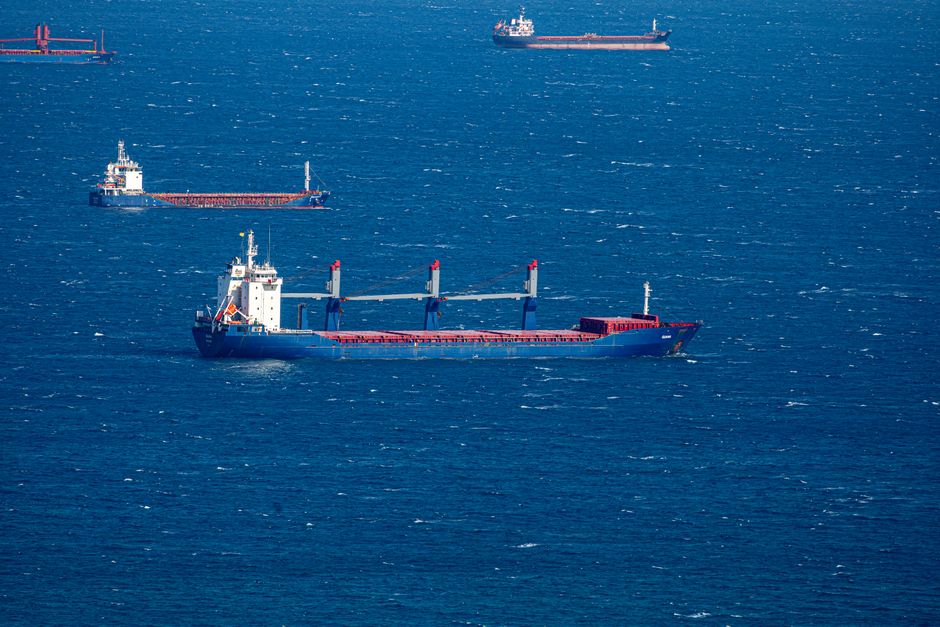
Somali Piracy Threat Resurfaces as Naval Forces Redeploy to Middle East
The escalating military confrontation involving Iran is generating strategic ripple effects far beyond the Persian Gulf, with security analysts warning that a drawdown of naval assets from the waters off the Horn of Africa could provide Somali pirates with their first significant operational window in years. As warships and maritime patrol resources shift toward higher-priority theatres, one of the most infamous sea lanes in global commerce is once again becoming vulnerable.
For much of the past decade, sustained international naval patrols — coordinated through operations such as the EU’s Operation Atalanta and combined maritime task forces — had suppressed Somali piracy to historically low levels. The gangs that once held supertankers and their crews for multimillion-euro ransoms were largely pushed back onshore, their operations disrupted by a persistent allied presence at sea. That deterrent effect, according to reports, now risks being quietly eroded.
A Strategic Vacuum Opens in the Indian Ocean
Military analysts and shipping industry observers have flagged that the reorientation of naval priorities toward the Middle East is thinning the patrol coverage that had kept pirate networks in check. With fewer vessels available to monitor the vast stretches of water between the Somali coast and the international shipping lanes of the Gulf of Aden, the risk calculus for criminal groups ashore is beginning to shift. Officials said the concern is not merely theoretical — there have already been indications of renewed activity and opportunistic reconnaissance by groups that had been largely dormant.
The timing compounds an already difficult period for global maritime trade. Shipping routes through the Red Sea have faced sustained disruption from Houthi attacks since late 2023, forcing carriers to reroute vessels around the Cape of Good Hope at significant additional cost. The prospect of simultaneous pressure from Somali piracy would add a further layer of risk and expense to supply chains that are already stretched. Insurance premiums for vessels transiting the region have risen sharply, and any deterioration in the security environment is likely to push them higher still.
For European economies, the stakes are considerable. The EU depends on the Red Sea and the adjacent Indian Ocean corridors for a substantial share of its trade with Asia, including energy imports and manufactured goods. European shipping companies are among those most exposed to cost increases, and any prolonged resurgence of piracy would test the bloc’s ability to sustain its own anti-piracy mission at a time when defence budgets are already under competing demands.
Operation Atalanta, which is commanded and funded by the European Union and has operated continuously since 2008, remains active, but its capacity to compensate for the withdrawal of allied naval assets is limited. The mission has always depended on a degree of broader multinational presence to cover the sheer scale of the maritime geography involved. According to reports, officials within the EU’s external action service are monitoring the situation closely, though no formal increase in the mission’s mandate or assets has been announced.
The broader lesson being drawn by security planners is an uncomfortable one: the suppression of maritime crime is not a problem that stays solved. It is sustained only by continuous presence and investment, and when geopolitical emergencies divert resources elsewhere, older threats do not simply remain dormant. They wait. Whether the international community can manage two overlapping maritime crises simultaneously — one driven by state conflict, the other by criminal opportunism — may prove one of the more consequential logistical tests of the current period.