Belgian and Ukrainian Diplomats Hold Talks in Kyiv Air Raid Shelter as Sirens Sound Across Capital
The foreign ministers of Belgium and Ukraine conducted high-level diplomatic talks inside an air raid shelter in Kyiv on Tuesday, as air raid sirens repeatedly pierced the Ukrainian capital throughout the day — a stark illustration of the conditions under which European diplomacy is now being conducted more than two years into Russia’s full-scale invasion.
The meeting, which brought Belgian Foreign Minister together with his Ukrainian counterpart, was forced underground by the ongoing threat of Russian aerial strikes. According to reports, at least eight air alert warnings had been issued across Kyiv by midday on Tuesday, with one still active as officials gathered for the session. The shelter meeting underscored both the persistent danger facing Ukraine’s civilian infrastructure and the determination of European partners to maintain direct, in-person engagement with Kyiv despite the risks involved.
Air raid alerts have become a near-constant feature of daily life in the Ukrainian capital. A dedicated alert-tracking platform monitoring Kyiv’s warning systems recorded the alerts in real time, highlighting how frequently residents and officials alike must interrupt their routines to seek safety. For visiting foreign dignitaries, those same interruptions now form an unavoidable backdrop to any diplomatic engagement on Ukrainian soil.
European Solidarity on Display Under Fire
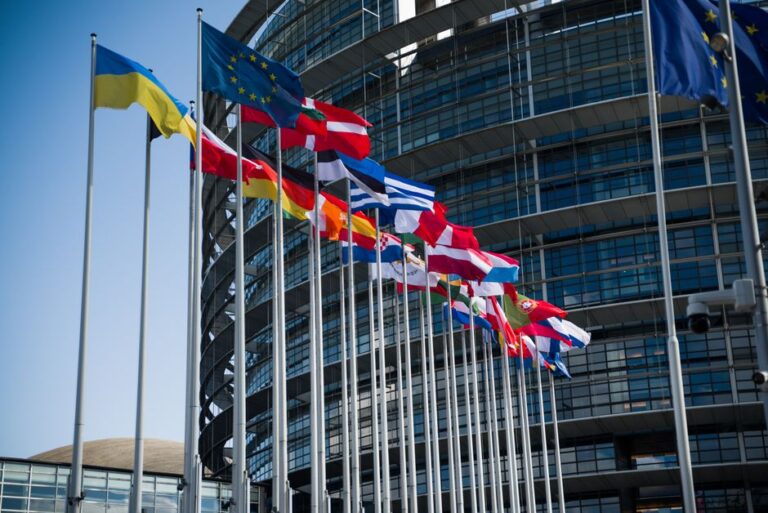
Belgium currently holds the rotating presidency of the Council of the European Union, lending additional diplomatic weight to the visit. The bilateral meeting was intended to reaffirm Brussels’ continued commitment to Ukrainian sovereignty and to discuss ongoing European support — both military and financial — as Kyiv continues to press for enhanced assistance from its Western allies. Officials indicated that the talks covered a range of issues central to Ukraine’s European integration ambitions, as well as the broader security situation on the continent.
The choice to proceed with the meeting rather than reschedule it reflects a broader pattern among European leaders, who have made a point of travelling to Kyiv in a show of solidarity even as conditions on the ground remain dangerous. Such visits carry considerable symbolic value, demonstrating that European institutions regard support for Ukraine not merely as a matter of remote policy deliberation, but as a commitment worth affirming in person and under pressure.
Ukraine has long called on its European partners to increase the pace and scale of their support, particularly as battlefield dynamics continue to shift. Belgian officials have previously backed EU measures aimed at channelling funds and equipment to Kyiv, and Tuesday’s meeting was expected to build on those commitments. The specifics of any agreements or pledges made during the shelter discussions had not been fully disclosed at the time of reporting.
The image of two nations’ top diplomats conducting formal talks in a bomb shelter will likely resonate well beyond the meeting itself. It serves as a potent reminder to European publics that the war in Ukraine is not an abstraction, and that the men and women engaged in shaping the continent’s response to it do so against a backdrop that is anything but routine. As Kyiv continues to endure repeated aerial bombardment, the pressure on European governments to translate expressions of solidarity into sustained, concrete action remains as acute as ever.