US Congress Members Travel to Vatican for Rare Dialogue on Artificial Intelligence
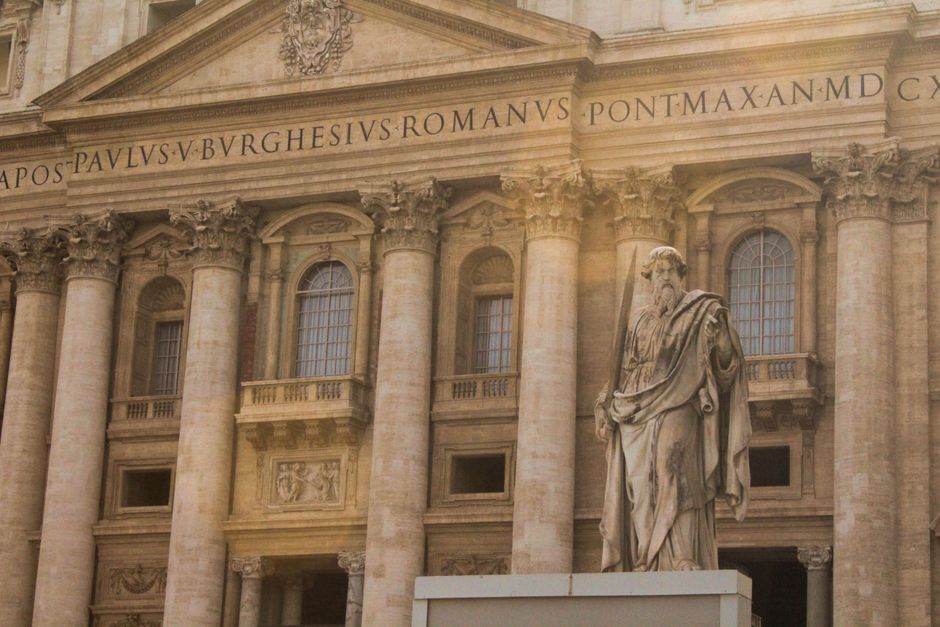
A delegation of United States legislators has travelled to Rome for a series of high-level conversations at the Vatican centred on artificial intelligence, in what observers are describing as an unusual intersection of political governance and religious moral authority. The visit included an audience with Pope Leo XIV, underscoring the Catholic Church’s growing determination to position itself as a meaningful voice in global debates over the future of technology.
The meetings reflect a broader shift within the Holy See, which has in recent years moved from issuing general cautions about digital disruption to articulating a more structured ethical framework around AI development. Church officials have expressed concern about the pace at which the technology is advancing relative to humanity’s capacity to manage its social and moral consequences, according to reports from those familiar with the Vatican’s internal discussions.
Faith and Governance Find Common Ground on Technology
For the American lawmakers involved, the trip represents an effort to engage with institutions and perspectives that operate outside the conventional corridors of tech policy — Silicon Valley boardrooms, congressional committees, and regulatory agencies. The Vatican, with its global reach and centuries-long tradition of ethical reasoning, offers a distinct vantage point that some legislators appear increasingly eager to incorporate into their thinking on AI legislation.
Pope Leo XIV has made clear since assuming the papacy that questions of technology, labour, human dignity, and social equity are central to his pontificate. Officials said the discussions at the Vatican touched on how AI systems could affect vulnerable populations, the concentration of technological power among a small number of private actors, and the absence of robust international governance frameworks to oversee the sector’s rapid growth.
The visit arrives at a moment of significant legislative activity around AI in Washington, where Congress has been wrestling with how to craft meaningful regulation without stifling innovation. Several competing proposals are under consideration, and lawmakers have been casting a wide net in search of ethical and philosophical grounding for what are ultimately deeply consequential political choices.
The Catholic Church’s engagement with AI is not entirely new. The Vatican published its own ethical guidelines on artificial intelligence several years ago, a document that attracted attention from technology companies and policymakers alike. Since then, Church representatives have participated in international forums on digital governance and have sought bilateral conversations with governments and institutions across multiple continents.
European observers have noted with interest that it is American, rather than European, legislators who have made this particular journey to Rome, even as the European Union has already enacted landmark AI legislation of its own. The EU’s AI Act, which came into force last year, has set binding rules for high-risk applications of the technology and is widely regarded as the most comprehensive regulatory framework currently in existence anywhere in the world. Whether Vatican diplomacy will ultimately shape the contours of US policy in ways that bring it closer to European standards remains to be seen, but the willingness of elected officials to seek moral as well as technical guidance signals that the debate over AI’s future is far from confined to legislative chambers and corporate headquarters.