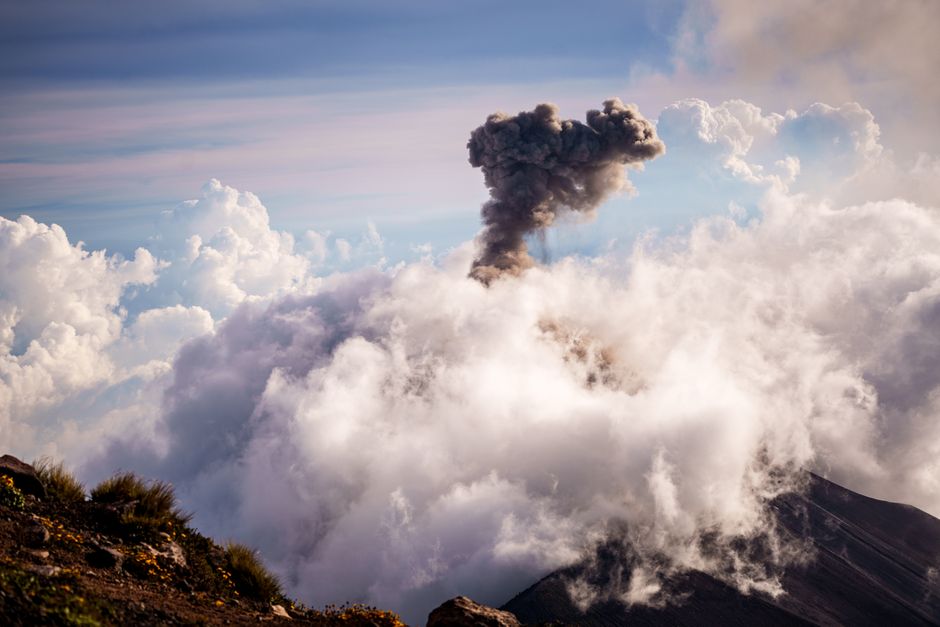
Etna’s Fury Grounds Flights and Blankets the Central Mediterranean in Ash
Sicily’s Mount Etna, one of the world’s most active volcanoes, has once again demonstrated its capacity to reshape daily life across the region, forcing the closure of Catania–Fontanarossa airport and sending a vast plume of volcanic ash drifting hundreds of kilometres across the Mediterranean Sea.
The ongoing eruption has brought air traffic in and out of Sicily to a standstill, with Fontanarossa — the island’s busiest airport and a key hub for both domestic and international routes — temporarily shutting its runways as a precautionary measure. The closure has left travellers stranded and thrown airline schedules into disarray, according to reports from Italian aviation authorities.
Ash fallout has not been confined to the immediate vicinity of the volcano. The cloud has been tracked moving southward over the Mediterranean, with accumulations reported on the island of Malta before the plume continued its trajectory, reaching as far as the coast of Libya — a striking illustration of how Etna’s eruptions can affect an area far beyond Sicily’s shores.
Aviation Safety and Regional Impact
The temporary shutdown of Catania airport reflects standard safety protocols triggered whenever volcanic activity produces sufficient ash to pose a risk to aircraft engines and visibility. Volcanic particles, even in relatively low concentrations, can cause serious damage to jet engines and navigation systems, making flight operations unsafe. Officials said the situation was being monitored continuously, with reopening decisions dependent on wind direction and the intensity of the eruption.
For travellers caught up in the disruption, the closure has meant cancelled and diverted flights, with passengers advised to check with airlines regarding rebooking options. The knock-on effects have rippled through connecting routes across Europe, as Catania serves as an important gateway for tourists and residents travelling to and from the Sicilian interior.
Etna, which rises to approximately 3,300 metres above sea level on Sicily’s eastern flank, is classified as one of the most continuously active volcanoes on Earth. Its eruptions, which can range from relatively minor lava flows to more explosive events accompanied by significant ash emission, are a recurring feature of life in the region. Local communities and authorities have developed well-established procedures for managing the disruption such events cause, though the scale of the current ash dispersal has underscored the volcano’s potential to affect a wide geographic area.
Meteorological services across the region have been tracking the ash cloud’s movement, and neighbouring countries have been kept informed of developments. Maltese authorities confirmed the presence of volcanic fallout on the island, while reports from North Africa indicated that traces of ash had made landfall along the Libyan coastline — a distance of well over 500 kilometres from Etna’s summit. The episode serves as a timely reminder of the interconnected environmental risks facing the Mediterranean basin, where geological and climatic forces frequently transcend national borders.