Ukraine’s Grain Crisis Deepens as Russia, Drought and EU Trade Barriers Close In
Ukraine is facing a compounding crisis around its grain exports, as military attacks on Black Sea shipping routes, resistance from European Union member states protective of their own farming sectors, and increasingly severe drought conditions converge to threaten the country’s agricultural economy — a sector that has historically underpinned both national revenue and global food security.
Russian missile and drone strikes targeting port infrastructure and commercial vessels in the Black Sea have significantly disrupted Ukraine’s ability to move grain to international markets. The Black Sea corridor had served as the primary route for Ukrainian cereal exports before the full-scale invasion in 2022, and despite various diplomatic efforts to restore safe passage, attacks on shipping and coastal facilities have continued to erode confidence among commercial carriers, according to reports from logistics and shipping observers.
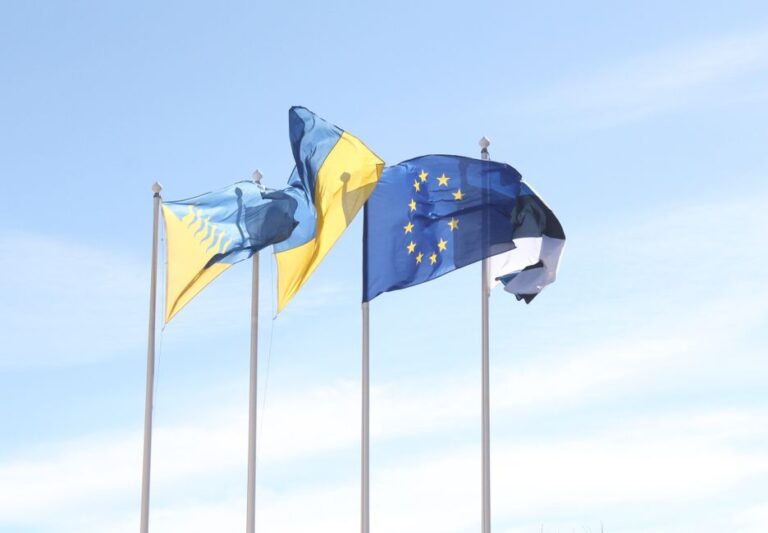
Kyiv has appealed to European partners to help absorb more of its agricultural output and to facilitate overland and river transport alternatives. However, that request has run headlong into political sensitivities across several EU capitals, where domestic farming lobbies have grown increasingly vocal in their opposition to the influx of cheaper Ukrainian grain. Countries in central and eastern Europe, whose agricultural sectors operate on thinner margins, have been particularly resistant, with officials in several member states signalling that additional concessions to Ukrainian imports would be politically untenable ahead of upcoming electoral cycles.
A Triple Squeeze on Ukraine’s Agricultural Lifeline
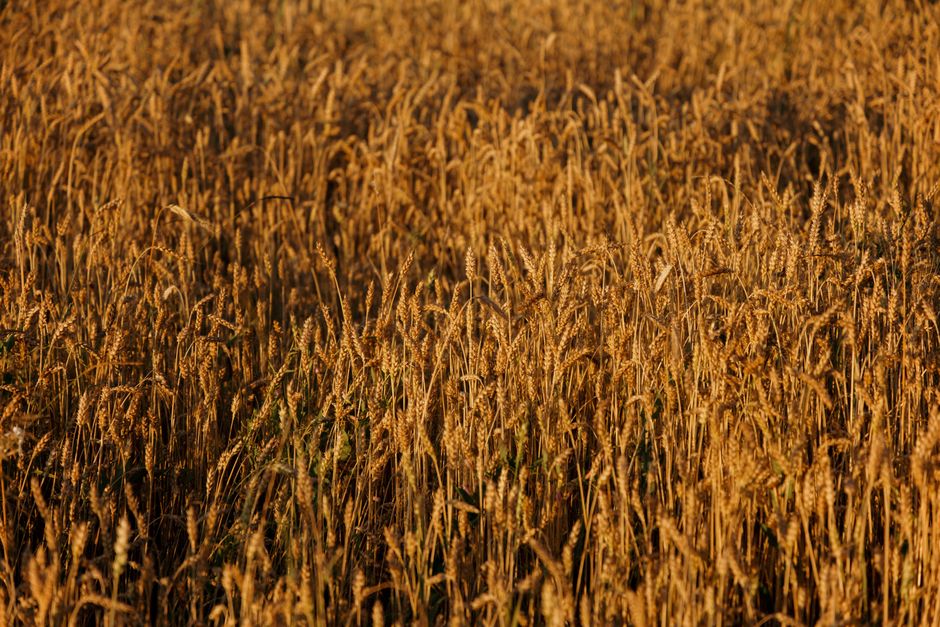
Compounding the geopolitical and trade difficulties is a deteriorating climate picture. Drought conditions affecting parts of Ukraine’s key agricultural regions have raised concerns about reduced yields for the current season. While Ukraine remains one of the world’s significant grain producers, prolonged dry spells have added uncertainty to harvest forecasts, potentially reducing the volume available for export even if transport and market access issues were resolved.
The situation places the European Union in an uncomfortable position. Officially, Brussels has championed solidarity with Ukraine and supported measures to keep its economy functioning during wartime. Yet the practical politics of agricultural trade have exposed fault lines within the bloc, with member state governments balancing their stated commitment to Ukrainian support against the demands of domestic constituencies. EU-level negotiations over trade arrangements have been slow and, according to reports, have yet to produce a framework satisfactory to Kyiv.
Analysts tracking the situation note that the consequences extend well beyond Ukraine’s borders. Ukrainian grain exports have historically played a stabilising role in global food markets, particularly for import-dependent nations in the Middle East and North Africa. Any sustained reduction in Ukrainian export capacity risks adding upward pressure to global food prices, a dynamic that could have humanitarian ramifications in some of the world’s most vulnerable regions.
For Kyiv, the stakes are both economic and strategic. Agricultural exports represent one of the few significant sources of hard currency income available to the Ukrainian government as it manages the enormous financial burden of the ongoing conflict. Finding viable export routes and securing reliable market access has therefore become not merely a commercial priority but a matter of wartime fiscal survival, officials have indicated. Without meaningful European support, Ukrainian policymakers warn, the squeeze on the sector may prove increasingly difficult to withstand.