Europe Battles Intensifying Wildfires Amid Record-Breaking Summer Heat
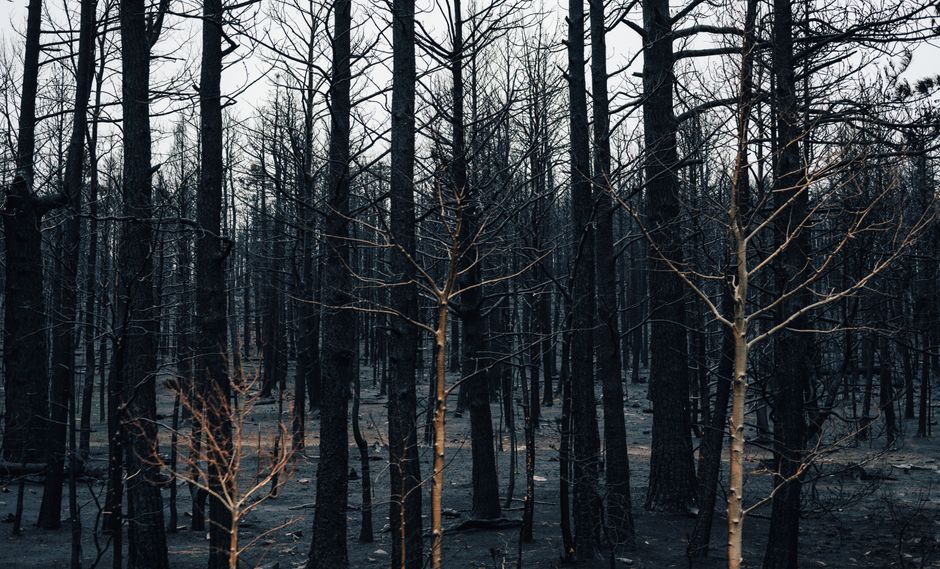
Devastating wildfires are tearing through multiple regions across Europe as the continent endures another brutal summer heatwave, with firefighting crews stretched to their limits and thousands of residents forced to flee their homes. The blazes, fuelled by scorching temperatures, dry vegetation, and strong winds, have swept through forests and rural communities from the Iberian Peninsula to the Balkans, leaving charred landscapes and mounting humanitarian concerns in their wake.
Authorities in affected countries have deployed aerial firefighting assets and ground crews in an effort to contain the advancing flames, with some nations requesting assistance through the European Union’s Civil Protection Mechanism. Officials said the combination of prolonged drought conditions and exceptional heat had created near-ideal circumstances for fires to ignite and spread with alarming speed.
A Continent Warming Faster Than the Rest of the World
The crisis unfolding across Europe this summer is not an isolated event but part of a longer-term trend that scientists and climate researchers have been warning about for years. According to reports, Europe is warming at roughly twice the global average rate, making it the fastest-warming continent on Earth. That accelerated pace of change is translating directly into longer, hotter, and drier summers — conditions that dramatically increase the risk of large-scale wildfire events and place growing pressure on water resources, agriculture, and public health systems.
Meteorologists noted that the current heatwave is consistent with the kind of extreme weather patterns that climate models have long predicted would become more frequent and more severe as global temperatures continue to rise. Heat alerts have been issued across a wide swath of southern and central Europe, with vulnerable populations — particularly the elderly — urged to take precautions and avoid outdoor exposure during peak afternoon temperatures.
The ecological toll of the fires is significant. Vast stretches of protected natural habitat, including national parks and Natura 2000 conservation sites, have been damaged or destroyed. Environmental groups warned that the loss of tree cover not only represents an immediate ecological setback but also undermines the continent’s long-term carbon sequestration capacity, creating a troubling feedback loop within the broader climate crisis.
Local economies are also feeling the strain. Tourism-dependent regions in southern Europe, already navigating a fragile post-pandemic recovery, face the prospect of cancelled bookings and reputational damage as images of smoke-filled skies and evacuated resorts circulate across international media. Agricultural producers in fire-affected and drought-stricken areas have reported significant losses, with some calling on national governments to activate emergency support funds.
The scale and frequency of recent wildfire seasons have renewed calls within the European Parliament and among member state governments for a more coordinated and better-resourced European approach to disaster preparedness and climate adaptation. Analysts say that while the EU has made progress in building cross-border emergency response capacity, the pace of investment has not kept up with the accelerating pace of climate-related disasters. As Europe’s summers grow hotter and its fire seasons longer, the pressure to act — both on emissions reduction and on practical resilience measures — is only likely to intensify.