EU Expands Russia Sanctions Following Devastating Strikes on Ukraine
The European Union has moved to tighten its punitive measures against Moscow, adding five individuals to its Russia sanctions list in direct response to a series of deadly missile and drone attacks that have claimed lives across Ukraine, including one of the most lethal single assaults on Kyiv in recent memory.
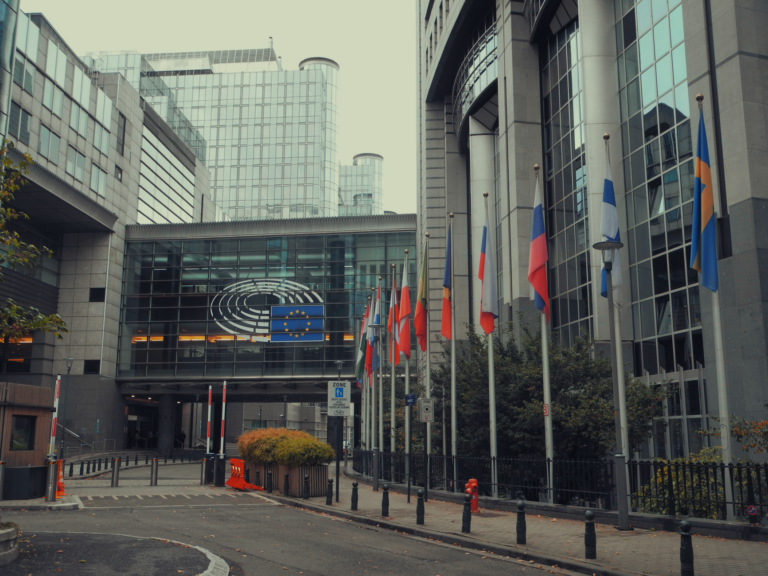
The decision, formalised by EU authorities this week, extends the bloc’s existing framework of restrictive measures that have been progressively strengthened since Russia’s full-scale invasion of Ukraine in February 2022. The five newly designated individuals will face asset freezes and travel bans within European Union territory, officials confirmed.
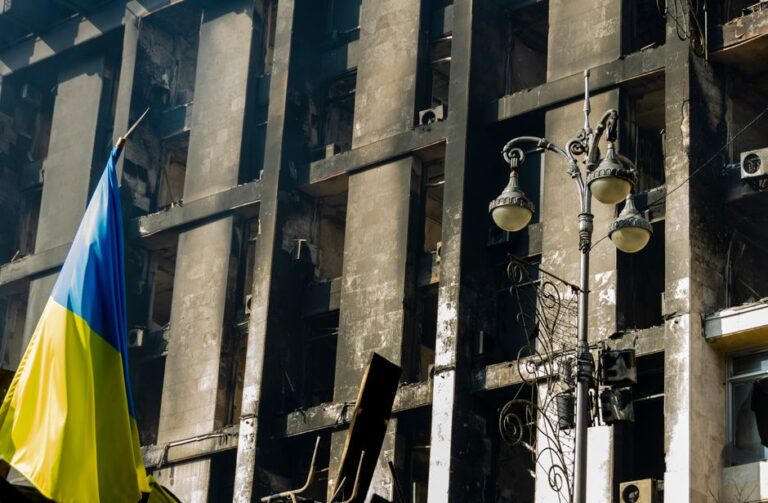
The move comes in the immediate aftermath of a devastating Russian bombardment of the Ukrainian capital, which left at least 17 people dead according to reports. The attack, described by Ukrainian officials and international observers as among the deadliest single strikes on Kyiv since the war began, drew swift condemnation from European governments and renewed calls for accelerated support for Ukraine’s air defence capabilities.
Sanctions as a Signal of European Resolve
While the addition of five names to the sanctions registry is relatively modest in scope, analysts note that the timing carries significant political weight. Brussels has consistently used targeted designations as a signalling mechanism, reinforcing to Moscow that large-scale attacks on civilian populations will prompt a direct institutional response from the European Union. The sanctions list currently encompasses hundreds of individuals and entities linked to the Russian state, military, and defence industry.
Critics, however, have argued that incremental listings of this nature do little to alter the battlefield calculus, particularly as Russia continues to maintain access to components and financing through third-country intermediaries. Pressure has been mounting within the EU to close existing loopholes in the sanctions architecture and to impose stricter enforcement mechanisms on member states and partner countries suspected of facilitating sanctions evasion.
The strikes on Kyiv have intensified debate within European capitals about the pace and scale of military assistance to Ukraine. Several member states have signalled a willingness to further accelerate deliveries of air defence systems and ammunition, though coordination across the bloc remains uneven. EU foreign policy chief officials have reiterated that European support for Ukraine’s sovereignty and territorial integrity remains unconditional.
Ukraine’s leadership welcomed the EU’s latest sanctions measure but made clear that diplomatic gestures alone are insufficient in the face of continued aerial bombardment. According to reports from Kyiv, emergency services worked through the night following the attack to recover victims and treat the wounded, with residential areas among those struck.
The European Union’s sanctions apparatus against Russia now represents one of the most expansive in the bloc’s history, covering sectors ranging from energy and finance to technology and defence. Further rounds of designation and broader sectoral measures are expected in the months ahead as the conflict shows no immediate sign of abating, with EU officials indicating that the review process for an additional sanctions package is already under way.