EU Pivots to Prevention as Wildfire Crisis Forces Rethink of European Fire Policy
Faced with a succession of record-breaking wildfire seasons that have scorched millions of hectares across the continent, the European Union is fundamentally overhauling how it approaches the threat of catastrophic fires — moving away from a reactive posture focused on emergency response and toward a comprehensive strategy built around prevention.
The shift represents one of the most significant reorientations in EU environmental risk management in recent years. According to reports, substantial portions of European funding that were previously directed toward firefighting aircraft, personnel deployment, and post-disaster recovery are being redirected upstream, toward land management, forest monitoring, controlled burns, and community-level preparedness programmes designed to stop devastating fires from igniting in the first place.
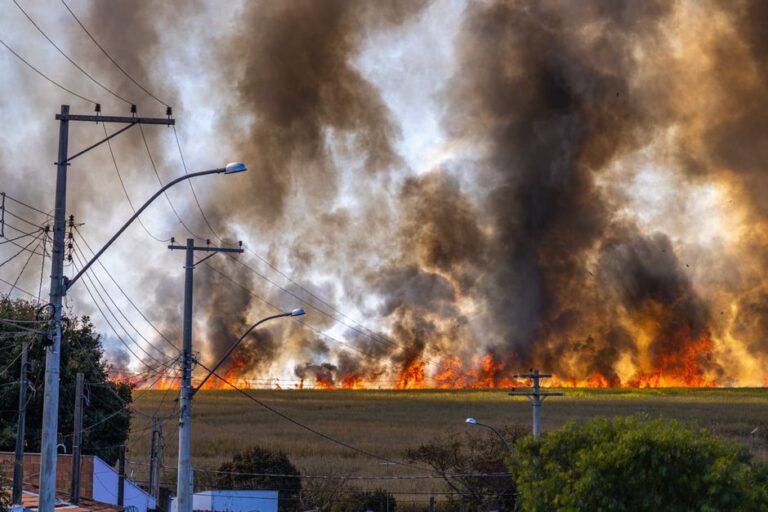
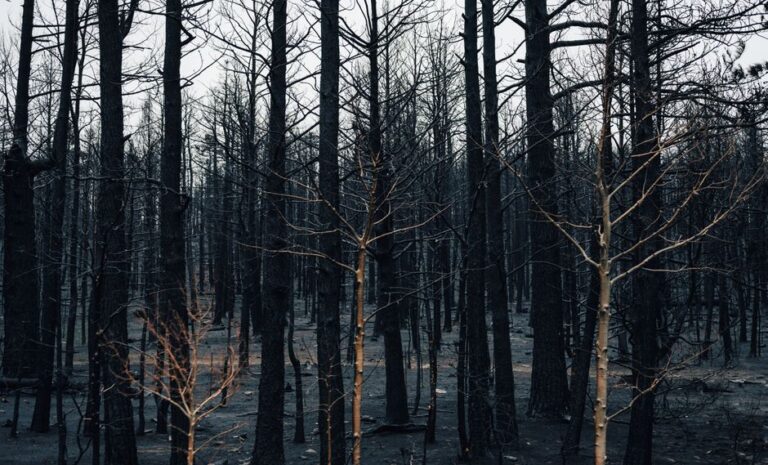
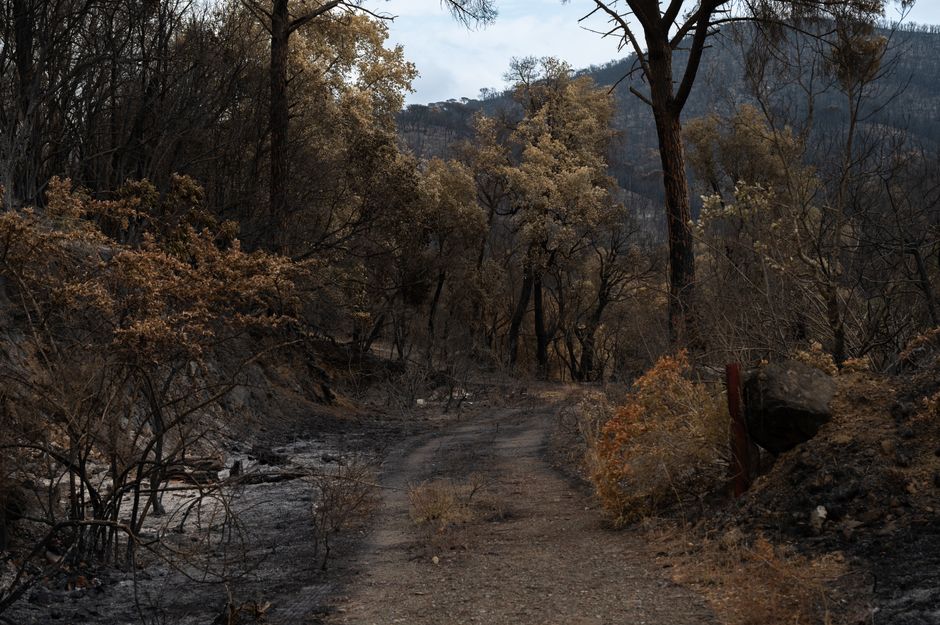
The policy evolution comes after a string of catastrophic fire seasons that exposed the limitations of Europe’s existing response infrastructure. Southern European nations — particularly Greece, Portugal, Spain, and Italy — bore the brunt of fires that overwhelmed national firefighting capacities and pushed the EU’s civil protection mechanism to its operational limits. The scale of destruction prompted officials to acknowledge that simply deploying more water-bombing aircraft was no longer a sufficient answer to what had become a structural crisis.
From Crisis Response to Long-Term Landscape Management
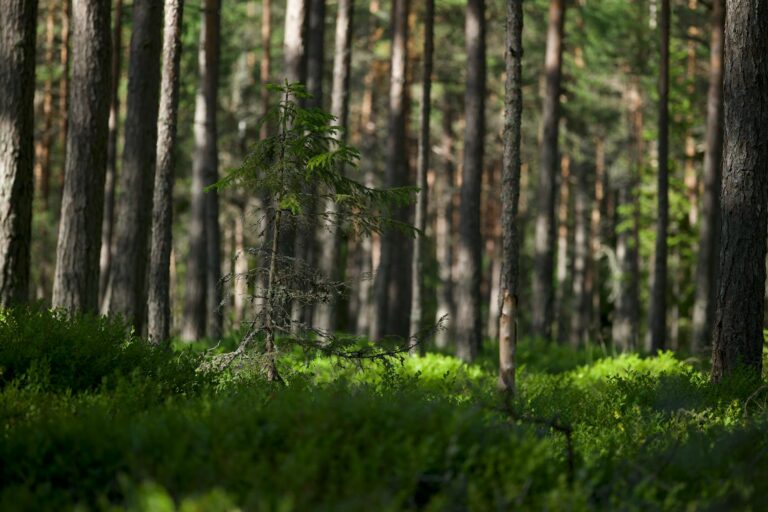
At the core of the new strategy is a recognition that the conditions enabling catastrophic fires — prolonged drought, accumulated dry biomass, increasingly dense and poorly managed forests, and expanding urban-rural interfaces — must be addressed long before smoke appears on the horizon. Officials said the revised approach places particular emphasis on restoring fire-resilient ecosystems, reducing fuel loads through controlled interventions, and improving early-warning systems powered by satellite data and artificial intelligence.
The European Forest Fire Information System, which already provides real-time monitoring across the continent, is expected to play a more central role under the new framework, with investments directed at expanding its predictive capabilities. Closer coordination between national forestry agencies, civil protection authorities, and local land managers is also envisioned as a key pillar of the strategy, according to reports.
Critics of the previous reactive model have long argued that European fire policy suffered from a fundamental misalignment: money flowed most readily after disasters, when political attention was highest, rather than during the quieter years when prevention investments would have the greatest impact. The new approach appears designed to break that cycle, locking in multi-year funding commitments to landscape resilience that are insulated from the short-term pressures of the news cycle.
The strategy also has an adaptation dimension that reflects the growing influence of climate science on EU policymaking. With climate projections indicating that fire-prone conditions will intensify and expand geographically — potentially drawing in central and northern European regions that have historically faced little wildfire risk — officials argue that prevention-focused investment now represents not merely good environmental governance, but a fiscally prudent long-term choice compared with the compounding costs of repeated emergency responses.
Whether the political will to sustain prevention funding through years without major fire events will hold remains an open question. But the formal shift in strategy signals that European institutions have absorbed a hard lesson from recent summers: that in the era of climate-accelerated wildfires, waiting for the flames to arrive is no longer a viable plan.