Europe’s Wildfire Season Tests the Limits of EU Emergency Solidarity
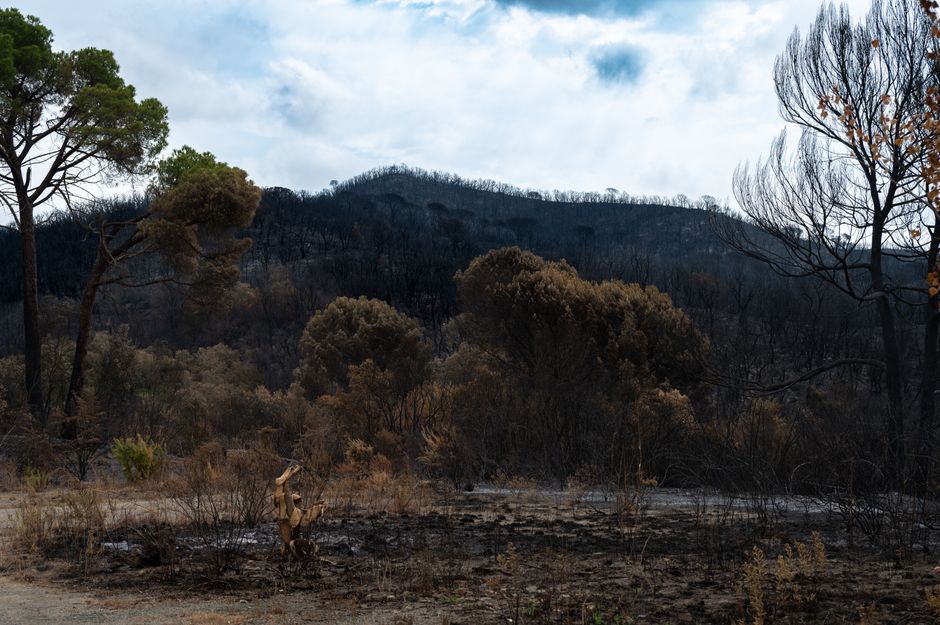
The European Union has mobilised its largest-ever collective firefighting force in response to a wave of devastating wildfires sweeping across southern Europe, marking an unprecedented test of the bloc’s shared disaster response mechanisms — and exposing significant shortcomings in how the continent prepares for fire seasons that scientists warn are growing more intense each year.
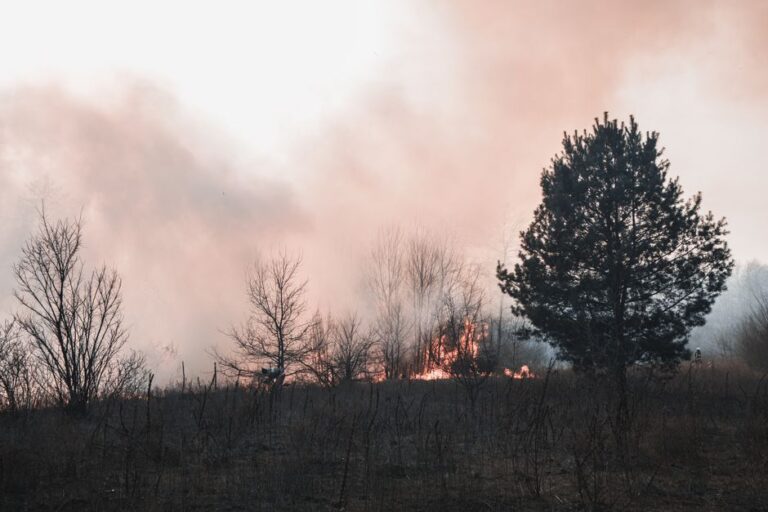
Dozens of aircraft, ground crews, and specialist firefighting units have been deployed through the EU Civil Protection Mechanism, drawing resources from member states across the continent in a coordinated effort to contain blazes that have scorched thousands of hectares across countries including Greece, Portugal, and Spain. Officials described the deployment as a demonstration of European solidarity, with nations that are not directly affected contributing personnel and equipment to those facing the most acute crises.
The scale of the response has been widely acknowledged as a logistical achievement. According to reports, the mobilisation set new records in terms of aircraft capacity and cross-border coordination, reflecting years of investment in the EU’s joint emergency infrastructure. Authorities said the shared fleet was able to reach affected regions faster than individual national responses would have permitted.
Response Capacity vs. Prevention: A Widening Gap
Yet the very scale of the crisis has prompted difficult questions about whether pouring resources into emergency firefighting is the right priority for a continent that faces a structurally altered fire risk landscape. Critics and analysts have argued that Europe continues to invest disproportionately in reactive measures — water-bombing planes, ground intervention teams — while underfunding the land management practices, forest maintenance programmes, and community-level fire prevention strategies that could reduce the frequency and severity of outbreaks in the first place.
The distinction matters because wildfires across southern Europe are no longer considered exceptional events. Changing climate conditions — including prolonged droughts, earlier and hotter summers, and shifting wind patterns — have made fire seasons longer and more destructive, according to environmental monitoring bodies. What was once an episodic emergency is increasingly a seasonal certainty, and experts argue that treating it purely as a crisis to be managed rather than a risk to be mitigated is both costly and insufficient.
Prevention strategies typically involve controlled burns to reduce fuel loads in forests, tighter planning regulations around woodland areas, investment in firebreaks, and engagement with rural communities who manage land on the front lines of fire risk. These approaches are well understood but require sustained political will and multi-year budgetary commitments — resources that are harder to justify publicly than dramatic aerial firefighting operations.
The EU has signalled awareness of this imbalance. The European Forest Strategy and associated funding instruments under the Green Deal framework include provisions for forest resilience and fire prevention, though implementation has varied considerably across member states. Whether the political momentum generated by another devastating fire season will translate into a genuine shift in spending priorities remains to be seen.
For now, the immediate task remains containment. Crews continue to battle active fronts in multiple countries, with conditions complicated by persistent heat and wind. The deployment of the EU’s joint force has provided meaningful relief, officials said, but the season is far from over — and the underlying vulnerabilities that allowed these fires to take hold have not been addressed by water and aircraft alone.