EU Member States Race to Rescue Stalled Russia Sanctions Package
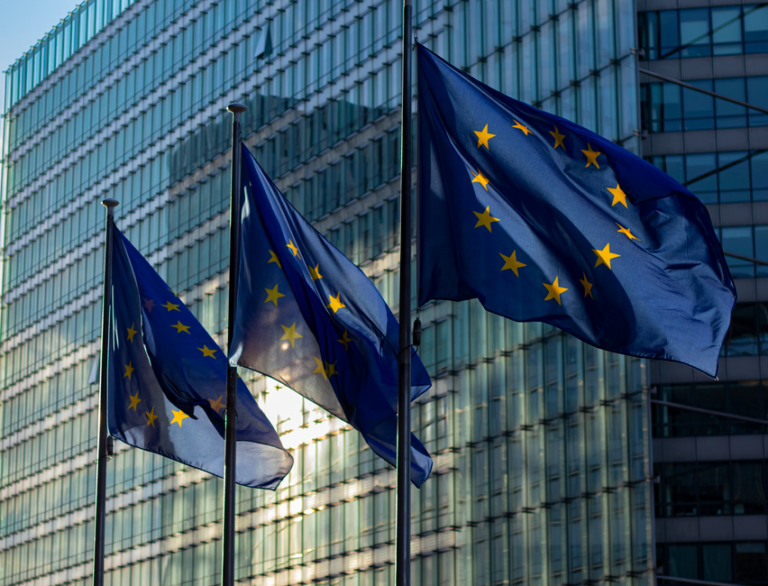
European Union member states are scrambling to salvage a new package of sanctions against Russia after negotiations hit an unexpected obstacle, with diplomats set to reconvene Thursday to examine a revised proposal aimed at breaking the deadlock.
The sanctions package, which requires the unanimous agreement of all 27 EU member states to pass, has been held up following Greece’s refusal to endorse the measures in their current form. Athens reportedly raised objections related to natural gas shipments, a sensitive issue for a country that has historically maintained significant energy ties with Moscow and continues to navigate the practical complexities of reducing its dependence on Russian fuel.
EU ambassadors are expected to gather Thursday to consider a reworked version of the proposal, according to reports, in a bid to address Greek concerns while preserving the core substance of the restrictions. The discussions underscore the persistent difficulty Brussels faces in maintaining cohesion among member states whose economic circumstances and energy exposures vary considerably.
Unanimity Requirement Continues to Test EU Solidarity
The episode highlights a recurring tension within the EU’s sanctions architecture. Because such measures require the consent of every member government, a single holdout carries considerable leverage — a dynamic that has repeatedly complicated efforts to impose or expand restrictions on Russia since the full-scale invasion of Ukraine began in February 2022. While the bloc has managed to agree on more than a dozen sanctions packages over the past two years, each round has required extensive behind-the-scenes negotiation to reconcile diverging national interests.
Energy policy sits at the heart of many of these disputes. Several southern and central European states entered the post-2022 period with deeper structural dependencies on Russian gas than their northern and western counterparts, making blanket restrictions on energy-related transactions politically and economically fraught. Greece, in particular, has sought assurances that sanctions will not disrupt gas flows in ways that leave its domestic market exposed, officials said.
The precise content of the proposed amendments being circulated Thursday had not been made fully public at the time of writing, but diplomatic sources indicated that negotiators were exploring carve-outs or transitional arrangements that could satisfy Athens without fundamentally weakening the package’s reach. Similar compromise formulas have been deployed in previous rounds to bring reluctant members on board.
The timing of the impasse adds pressure to EU officials eager to demonstrate continued unity in the face of an ongoing conflict and growing debate in some capitals about the long-term trajectory of Western support for Kyiv. A failure to adopt the package would hand critics of the sanctions regime a symbolic victory and potentially embolden other governments to press for concessions in future negotiations.
If Thursday’s discussions yield an agreement among ambassadors, the package would still require formal adoption by the Council of the EU before entering into force. European officials have expressed cautious optimism that a workable compromise can be found, though the outcome of the talks remains uncertain. The situation continues to illustrate both the EU’s commitment to maintaining economic pressure on Moscow and the structural limits that unanimous decision-making places on its ability to act swiftly.