From Greek Crisis Echoes to the Horn of Africa: Europe’s Week in Review
A week of striking contrasts has defined European affairs, with developments ranging from fresh turmoil reminiscent of Greece’s long economic ordeal to diplomatic activity in the strategically vital Horn of Africa, while closed-door discussions in Brussels have drawn renewed attention to transatlantic relationships and the figures shaping them.
Greece once again found itself at the centre of European conversation this week, with conditions in the country drawing comparisons to the prolonged crisis that battered its economy and tested the cohesion of the eurozone more than a decade ago. According to reports, ongoing structural pressures and social strains continue to cast a long shadow over the country’s recovery narrative, raising questions among observers about whether the gains achieved through years of painful austerity measures and reform programmes remain as durable as European institutions have claimed.
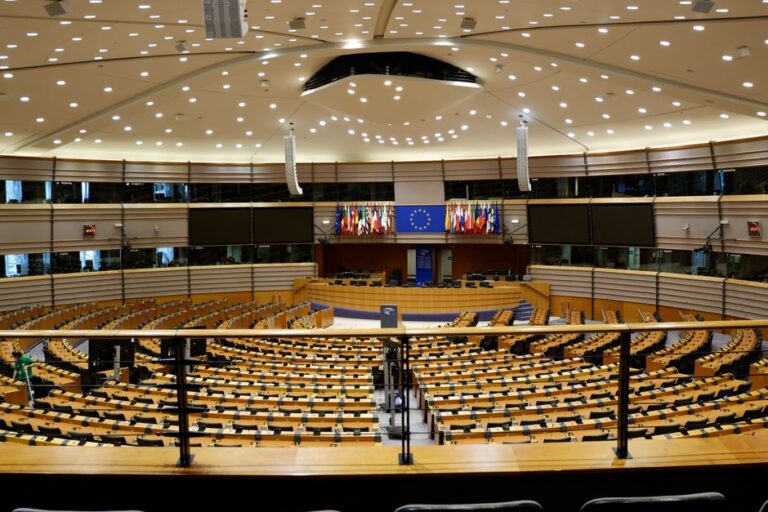
Brussels Closed Doors and Transatlantic Shadows
In parallel, Brussels hosted what sources described as a significant closed-door meeting in which Jared Kushner, the American businessman and former senior adviser to the Trump administration, was said to have addressed European officials. The precise nature of the discussions was not made public, but the gathering drew attention given the sensitivity of current transatlantic dynamics, including ongoing debates over trade, security commitments, and the future architecture of US-European relations. Officials familiar with the meeting declined to provide detailed readouts, according to reports.
The presence of a figure closely associated with previous American administrations at a private Brussels forum reflects broader uncertainty in European capitals about the direction of United States foreign and economic policy. European policymakers have been navigating a complex environment in which longstanding assumptions about the transatlantic alliance are being reassessed at multiple levels, from defence spending expectations to commercial partnerships.
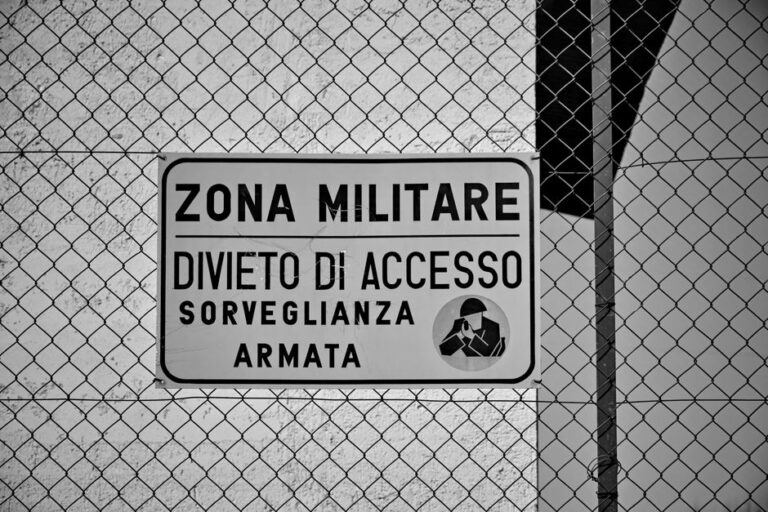
Adding a further dimension to the week’s affairs was a reported postcard from Djibouti, the small but strategically outsized nation nestled at the mouth of the Red Sea. The country, which hosts military installations operated by several global powers including France, the United States, and China, has become an increasingly important reference point in discussions about European interests in Africa and maritime security corridors. According to reports, European engagement with the region is being scrutinised more carefully as shipping disruptions in the Red Sea continue to reverberate across global supply chains.
Djibouti’s importance to European commercial and security interests has grown considerably in recent years. The country sits at a chokepoint through which a significant proportion of cargo bound for European ports must pass, making stability in the surrounding region a matter of direct economic consequence for the continent. Officials in Brussels have indicated that deepening ties with partners in the Horn of Africa is increasingly viewed as a strategic priority rather than a peripheral concern.
Taken together, the week’s developments illustrate the breadth of pressures bearing on European policymakers as they head into what promises to be a demanding political calendar. From managing the lingering social costs of economic adjustment within member states to navigating the unpredictabilities of transatlantic diplomacy and safeguarding interests thousands of kilometres from the continent’s borders, the demands on European institutions show little sign of diminishing.