First Disbursement of EU’s €90 Billion Ukraine Loan Set for June 2026 as Defence Council Tackles EPF Funding Bottlenecks
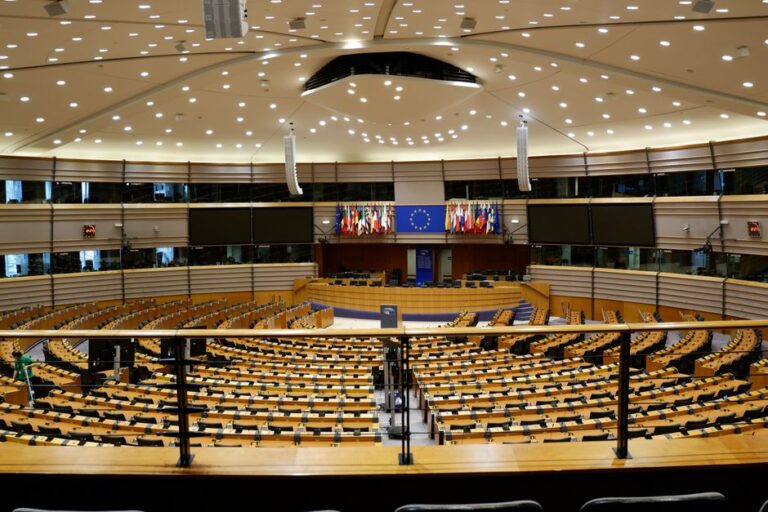
The European Union will disburse the first tranche of its €90 billion support loan to Ukraine in June 2026, EU High Representative Kaja Kallas confirmed on Monday 12 May at the Foreign Affairs Council in Defence formation in Brussels. The milestone represents a critical escalation of EU financial backing for Kyiv, even as defence ministers grapple with persistent blockages in mobilising European Peace Facility funds—the bloc’s principal off-budget instrument for military equipment financing. The delayed first disbursement, originally scheduled for April, follows protracted technical and political negotiations on loan terms and conditionality across member states.
The €90 Billion Package: Structure and Timeline
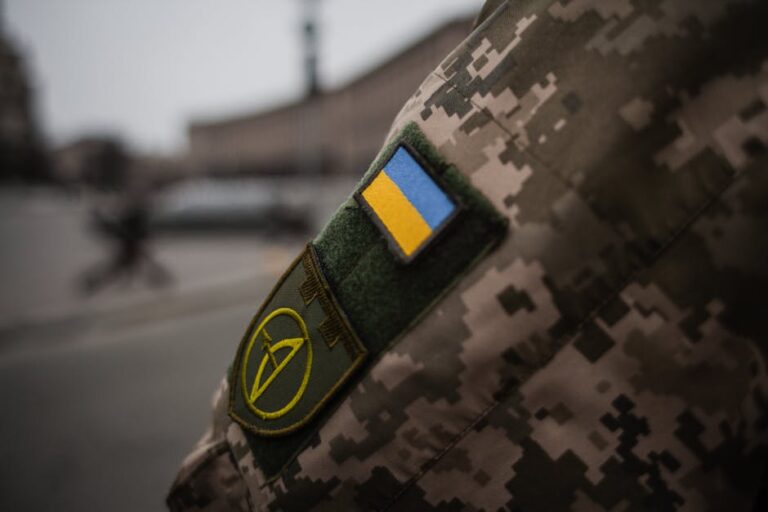
The loan facility, finalised by the Council on 23 April 2026, was politically agreed by the European Council in December 2025 for the two-year period 2026-2027. The €90 billion is structured to address Ukraine’s most urgent budgetary and defence requirements, with an indicative allocation of €30 billion for economic support and €60 billion for military assistance.
The funding mechanism represents a qualitative shift in EU support architecture. Rather than ad hoc grant-based assistance, the EU is now deploying multi-year financial commitments aligned with the protracted nature of the conflict. The loan is financed through EU borrowing on capital markets, backed by the EU budget, with repayment linked to war reparations due from Russia to Ukraine. This innovative collateralisation approach builds on the May 2024 Council decision permitting the use of windfall profits generated by immobilised Russian assets under EU sanctions.
Ukraine must meet strict conditionality requirements, including rule of law adherence and continued anti-corruption efforts—benchmarks that underscore the EU’s determination to couple financial support with governance standards.
EPF Bottlenecks and Defence Council Impasse
The 12 May Defence Council meeting exposed persistent challenges in mobilising European Peace Facility funds, with ministers agreeing on the urgent need for solutions. The EPF, the principal off-budget instrument for financing military equipment to partner countries including Ukraine since 2022, has faced escalating blockages—primarily from Hungarian veto positions and, at times, Slovak resistance.
EU defence ministers committed to tabling concrete proposals in coming weeks to unlock the deadlocked facility. The gridlock underscores deepening fissures within the bloc over defence spending priorities and geopolitical alignment, even as the scale of EU support to Ukraine has reached unprecedented levels.
Kallas Signals Broader EU Security Architecture
Beyond the loan announcement, High Representative Kallas provided an update on the EU’s broader contribution to Ukrainian security guarantees. This encompasses strengthening the EU Satellite Centre and a newly-articulated “fourth pillar” of actions designed to counter hybrid threats, support defence sector reform and facilitate veteran reintegration—measures presented to EU foreign ministers at the April Foreign Affairs Council in Luxembourg.
The fourth pillar reflects emerging EU thinking on the multidimensional nature of security support, moving beyond traditional military aid to encompass resilience-building across multiple domains. The approach signals a longer-term strategic commitment to Ukrainian institutional capacity rather than supply-driven assistance alone.
Industry Voice: ASD President Advocates Capacity Acceleration
In the margins of the 12 May meeting, Micael Johansson, President of the Aerospace, Security and Defence Industries Association of Europe (ASD), delivered a short presentation to defence ministers. The inclusion of industry voices at high-level EU defence forums reflects the bloc’s determination to ramp up European defence industrial capacity—a priority crystallised by the March 2026 European Council’s emphasis on accelerating production and delivery of priority equipment including air defence systems, ammunition, drones and missiles.
The European Council also underlined the importance of developing Ukraine’s defence industry through EU-Ukraine defence industrial cooperation, positioning the Ukrainian sector as integral to European strategic autonomy rather than merely a recipient of aid.
Cumulative EU Support and March Council Decisions
As of the March 2026 European Council, the EU has provided €194.9 billion in cumulative support to Ukraine since 2022, comprising €69.7 billion in military support and wider economic and humanitarian assistance. The €90 billion loan represents approximately 46 per cent of total military support disbursed to date and signals an intention to sustain high-level backing through 2027.
The March Council also emphasised urgent acceleration of priority equipment production and delivery, particularly air defence systems to help Ukraine protect energy and critical infrastructure—targets that now acquire heightened importance given the June disbursement timeline and ongoing EPF funding constraints.
EDA Steering Board and Defence Cooperation Architecture
In the Council’s margins, Kallas chaired the European Defence Agency Steering Board. The EDA, the inter-governmental agency founded in 2004 to promote military cooperation and capability development across EU armed forces, has recently prioritised joint procurement, defence industrial cooperation with Ukraine and acceleration of air defence systems—areas directly complementary to the €90 billion loan’s allocation priorities.
Looking Ahead: Second Half 2026 as Decisive Period
The June disbursement, coupled with parallel EPF reform proposals, is poised to make the second half of 2026 a decisive period for EU-Ukraine financial and defence cooperation. The European Council of 26-27 June, the informal defence ministers’ meeting on 7-8 June and the Foreign Affairs Council (Defence) on 15 June will establish the operational tempo for the remainder of the year.
The convergence of these meetings, coinciding with the first loan tranche, represents a critical window for resolving EPF bottlenecks and establishing sustainable European defence industrial partnerships with Ukraine—objectives now formally embedded in EU strategic architecture.