EU-Mercosur Deal Enters Force: Tariffs Fall on Cars, Pharma, Food
Two and a half decades after negotiations first began, the EU-Mercosur trade agreement entered provisional application on 1 May 2026, immediately cutting tariffs on key European exports to Argentina, Brazil, Paraguay and Uruguay — a combined market of 260 million people and the world’s fifth-largest economic bloc by GDP.
From day one, EU exporters of cars, pharmaceuticals and most agri-food products see significant tariff reductions. The Commission has framed the deal as the largest trade agreement the European Union has ever concluded, both in geographic reach and in tariff-line coverage — and explicitly as a strategic counterweight to the more protectionist trade policy pursued by the United States since the start of 2025.
The headline numbers
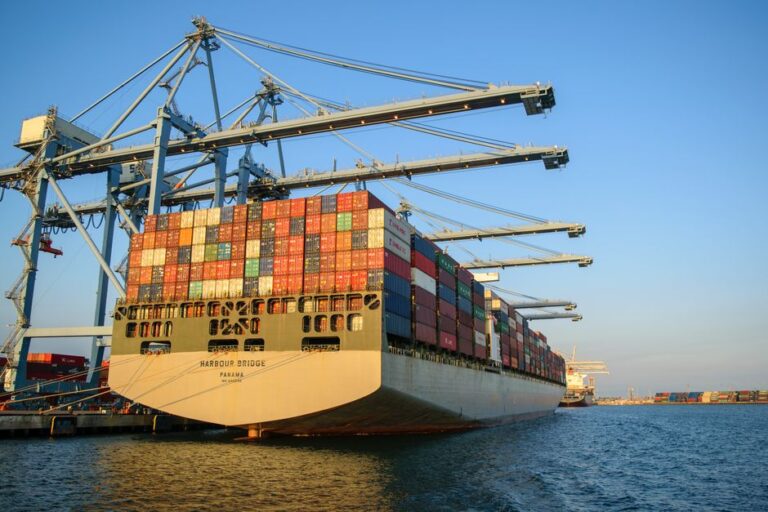
The agreement eliminates tariffs on more than 90% of bilateral trade over a transition period of up to fifteen years for the most sensitive sectors. European car exporters — long disadvantaged by Mercosur’s external tariff of up to 35% on imported vehicles — see immediate cuts that the European Automobile Manufacturers’ Association estimates will save the sector roughly €1.5 billion annually once the transition is complete.
EU pharmaceutical exports, which face tariffs of 8-14% in Mercosur countries depending on the product, will move toward zero over five to ten years. Agri-food gains are mixed: European wine, olive oil, cheese and chocolate exporters are likely winners, while the deal carries protections for sensitive farm sectors including beef, poultry and ethanol — concessions that were essential to ratification in agricultural producer states.
The geographical indications win
Among the most-fought-over elements of the final text was the protection of European Geographical Indications (GIs). The agreement protects roughly 350 EU GIs in Mercosur markets, including Champagne, Parma ham, Feta cheese, Roquefort, and Tokaji wine. For southern European producers — particularly French, Italian, Spanish and Portuguese — GI protection represents the most commercially valuable single element of the deal.
In return, Mercosur secures protection in EU markets for around 200 of its own GIs, including Cachaça, Mendoza wines, and various regional cheeses and processed meats. The reciprocal recognition mirrors the framework EU has used in previous deals with Japan, Canada and Vietnam.
The environmental compromise
Critics of the deal — including significant constituencies in France, Ireland and Austria — long argued that without binding environmental commitments, EU-Mercosur risked accelerating deforestation in the Amazon. The final text includes a separate, legally binding protocol committing all parties to the Paris Agreement and to implementation of the EU Deforestation Regulation timelines.
That protocol is operationally distinct from the trade chapters but is incorporated by reference into the dispute-settlement mechanism — meaning that, for the first time in any major EU trade agreement, persistent breach of Paris commitments could trigger trade-related sanctions. How robustly this is enforced will become one of the defining policy questions of the late-2020s.
For the European Commission, EU-Mercosur is now Exhibit A in the case that the bloc is open for business with reliable partners — and that, in an era of escalating US tariffs and Chinese industrial overcapacity, deep South-South trade liberalisation between democracies is an alternative path. The full ratification by every national parliament remains pending, but provisional application has already delivered the most immediate commercial benefits to European exporters.