Pentagon Withdraws 5,000 US Troops from Germany; Italy, Spain Could Follow
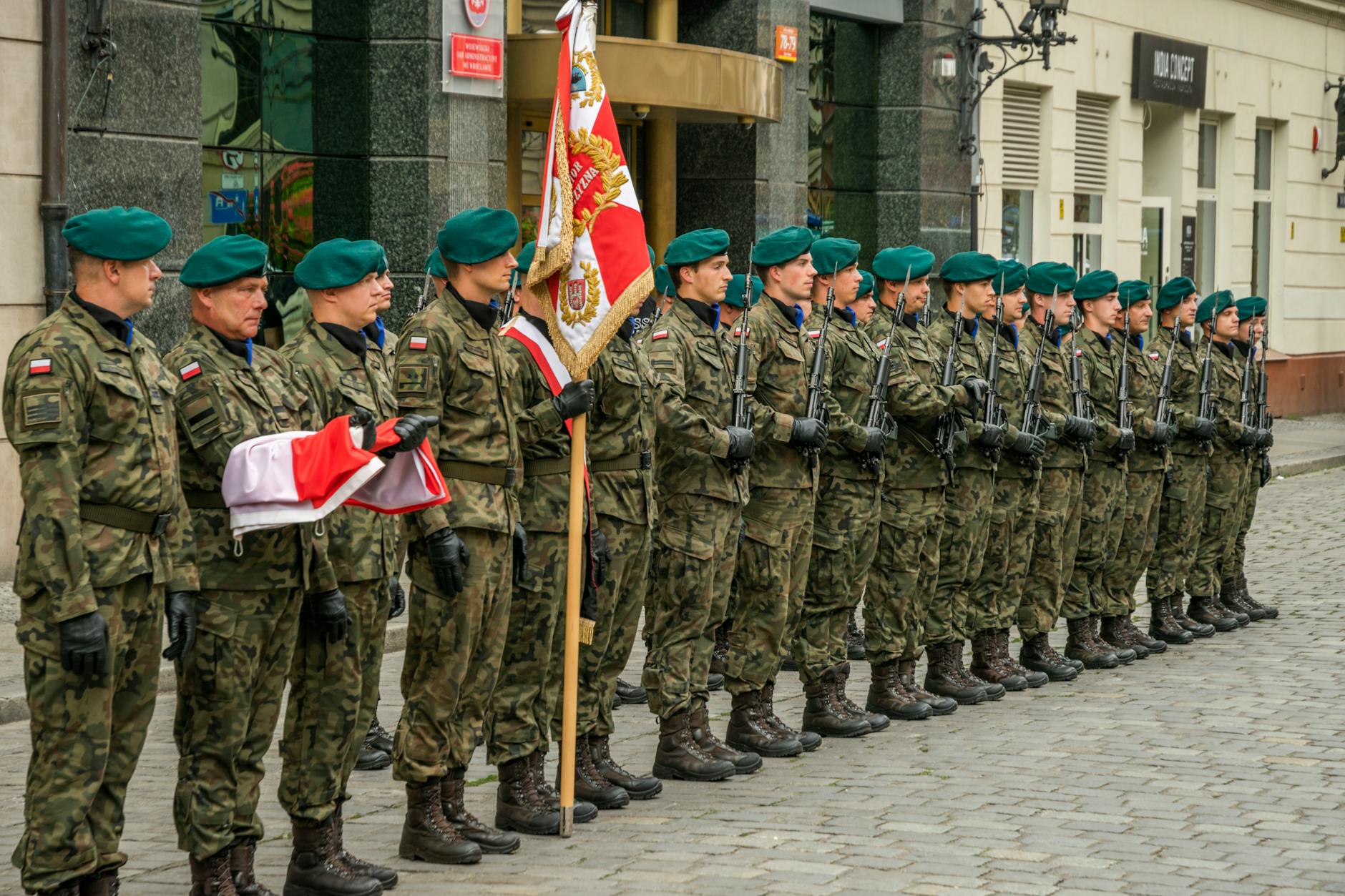
The Pentagon has announced it will withdraw roughly 5,000 troops from Germany over the next six to twelve months, in a decision Defense Secretary Pete Hegseth framed as the result of “a thorough review of the Department’s force posture in Europe and conditions on the ground.” The withdrawal will leave more than 30,000 US troops in Germany — reversing a buildup that began under President Biden following Russia’s full-scale invasion of Ukraine in 2022.
Pistorius: ‘anticipated’ but Europe must do more
German Defense Minister Boris Pistorius sought to project calm Saturday after the Pentagon announcement, calling the decision “anticipated” and insisting Germany is ready to shoulder more of the burden of its defense. “The presence of American troops in Europe, and particularly in Germany, lies in our interest and in the interest of the US,” the defense minister told German news agency dpa. Pistorius added that if Germany was to remain a transatlantic partner, it must work to strengthen the European pillar within NATO.
Italy and Spain next
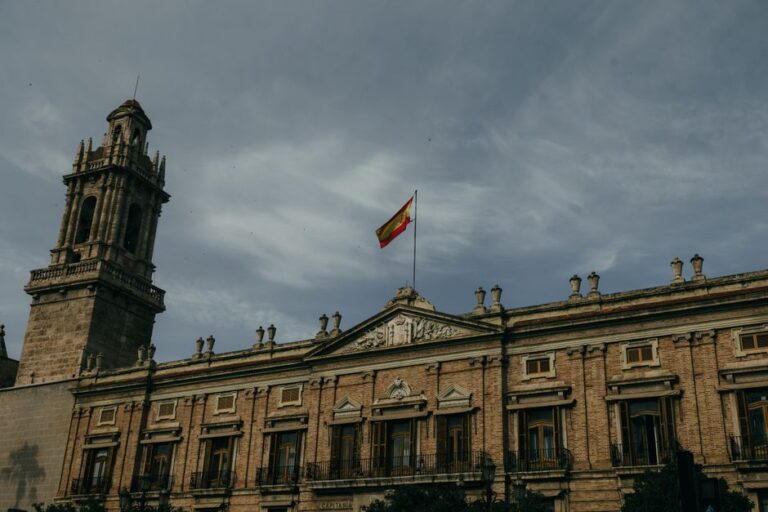
President Donald Trump indicated this week that he was also weighing troop reductions in Italy and Spain. “Yeah, I probably will… look, why shouldn’t I?,” Trump told reporters Thursday, singling both countries out for what he described as unhelpful responses to the Iran conflict. Both Italian Prime Minister Giorgia Meloni and Spanish Prime Minister Pedro Sánchez have been outspoken critics of American military action in Iran. Spanish Defense Minister Margarita Robles has reaffirmed Spain’s NATO commitment, declaring: “Within NATO, Spain is one of the countries that collaborates the most, and it does so with what is most important: people.”
The Merz factor: ‘humiliated’ by Iran
The withdrawal announcement came days after Chancellor Friedrich Merz publicly said the US was being “humiliated” by Iranian leadership and criticized the US strategy in the war. Under Merz, Germany is on track to spend the equivalent of more than 3% of GDP on defense by next year — well above NATO’s 2% benchmark. Trump had attempted a similar reduction during his first term in 2020, when he sought to pull about 9,500 troops from Germany, citing inadequate German defense spending.
The European pillar question
The 5,000-troop withdrawal is small in absolute terms but symbolically heavy. It accelerates a debate that has been simmering since 2017: can Europe credibly defend itself without permanent US ground presence? Combined with the parallel pressure from Trump on the UK digital services tax, on EU tariffs (25% threatened on autos), and on direct EU-Mercosur trade competition, the message from Washington is consistent: the transatlantic relationship is being unilaterally renegotiated. For Brussels, the response — fast-tracking the Savings and Investment Union, deepening defense procurement coordination, considering the abolition of foreign-policy vetoes — is now politically urgent.