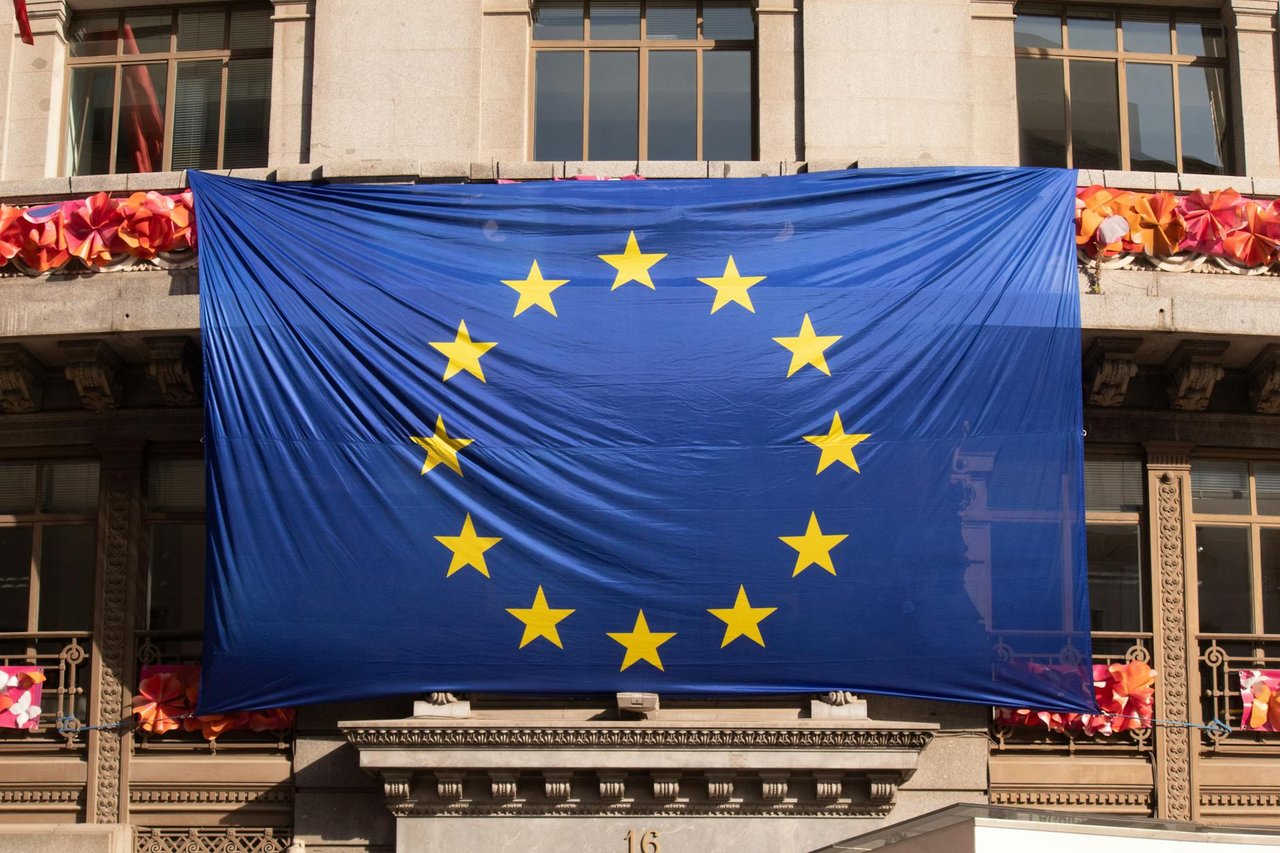
Europe Day 2026: 76 Years After Schuman, Peace Project Faces Volatile Test
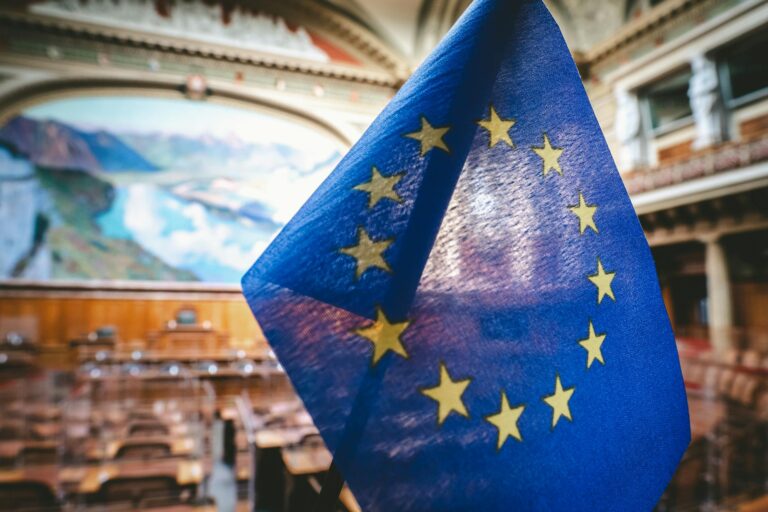
On Saturday 9 May 2026, Europeans across the bloc and beyond celebrate Europe Day, marking the 76th anniversary of the Schuman Declaration — the 1950 speech by French Foreign Minister Robert Schuman that laid the foundations of what has become the European Union. This year’s commemoration carries unusual symbolic weight: it also marks 40 years since Portugal and Spain joined the European Communities in 1986, and 40 years since the first official Europe Day celebrations and the public adoption of the EU flag and anthem. For the first time in years, 9 May falls on a Saturday, allowing the traditional open day at all Brussels institutions to coincide directly with Europe Day itself.
The Schuman speech and what it actually said
On 9 May 1950, in the Salon de l’Horloge of the Quai d’Orsay in Paris, Schuman read a brief but transformative declaration. “Europe will not be made all at once, or according to a single plan,” he said. “It will be built through concrete achievements which first create a de facto solidarity.” The proposal — to place Franco-German production of coal and steel under a common High Authority — created the European Coal and Steel Community in 1951 and set the institutional template for everything that followed: the European Economic Community in 1957, the Single Market in 1992, the euro in 1999, and the constitutional framework of today’s twenty-seven member states. Few political texts in modern European history have had so consequential an afterlife.
The 2026 ceremony: Teresa Ribera at the Berlaymont
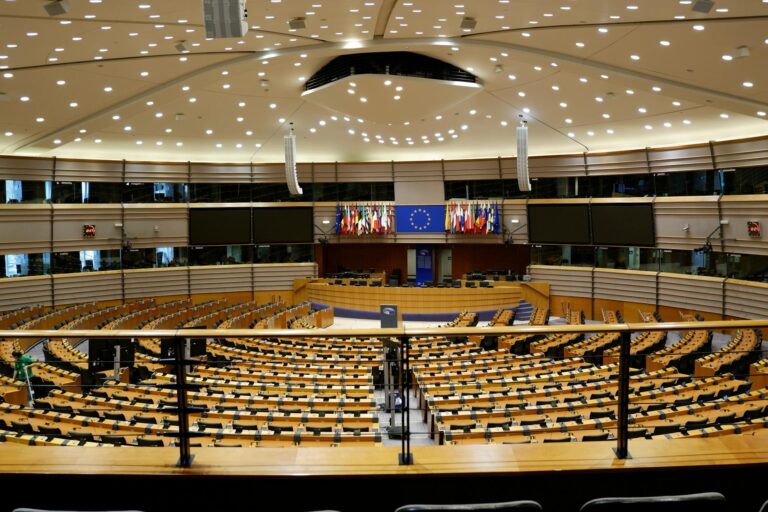
This year’s celebrations will be launched by Teresa Ribera, the European Commission’s Executive Vice-President responsible for Competition, at a ceremony scheduled for 10:00 CET on 9 May at the Berlaymont Building in Brussels. Until 18:00, the public will be able to learn more about European policy and the work of the Commission, with activities, entertainment and tastings of products from across the twenty-seven member states. The Council’s Justus Lipsius building, the European Parliament, the European External Action Service and the European Court of Justice will all open their doors. The European Investment Bank is hosting parallel events in Brussels and Luxembourg, with a dedicated Europe Day at the EU village in Wiltz Castle on 10 May to mark 30 years of Europe Day celebrations in Luxembourg.
The Iberian anniversary: Spain and Portugal at 40
The accession of Spain and Portugal on 1 January 1986 transformed the European Community from a continental project into a Mediterranean and Atlantic one. It was also a delayed payback for democracy: both countries had emerged from authoritarian rule less than a decade before — the Carnation Revolution in Portugal in 1974 and the death of General Franco in Spain in 1975. The forty-year retrospective being celebrated in 2026 covers GDP-per-capita convergence (Spain has reached approximately 89% of the EU average, Portugal 78%), institutional integration into the eurozone (1999), and the political consequence: today, both countries are firmly anchored in the EU’s mainstream. The 2026 EU Council Presidency rotation moves from Cyprus to Lithuania on 1 July, and the Iberian governments are using the anniversary to push for fresh investment in cohesion policy.
The 2026 Eurobarometer: trust holding, but conditioned
The European Commission published a fresh Eurobarometer survey on 8 May 2026 — the day before Europe Day — showing that a great majority of Europeans see benefits from EU membership and view the Union as a “pillar of stability and security”. The survey, released ahead of the celebrations by the Council of the EU, the European Parliament and the Commission, confirms that despite the war in Ukraine, the conflict in the Middle East, and a continuing struggle to deliver on competitiveness, public trust in the project remains higher than at any point in the previous decade. The political subtext is that the EU institutions are using the data to push back against narratives of crisis, particularly as far-right and enlargement-sceptical parties continue to gain ground in member-state elections.
The Strasbourg open day on 17 May
Beyond Brussels, the European Parliament’s Strasbourg Open Day will take place on 17 May, with visits to the hemicycle, civic activities and a cultural programme. Luxembourg will mark Europe Day on 9 May with cultural events and information stands at the Parliament’s Grand Duchy premises. Across all twenty-seven member states and beyond, European Commission Representations and European Parliament Liaison Offices are organising local events — public debates, school visits, exhibitions and cultural gatherings. EU delegations worldwide will mark the occasion with public events, and landmark buildings across the globe — from the Empire State Building in New York to the Sydney Opera House — are expected to be illuminated in EU blue and gold.
Europe Day in a year of geopolitical strain
The 2026 celebration takes place against an unusually heavy political backdrop: the Iran war entering its tenth week, energy prices keeping eurozone inflation above target, the EU’s response to the Trump administration’s transatlantic recalibration, and the parallel timelines for Ukraine, Moldova, Albania and Montenegro accession. ECB President Christine Lagarde will speak at the European Council in Brussels and at the Römerberg market square in Frankfurt on 9 May to mark Europe Day, signalling the institutional consensus that the project still has political and economic momentum despite the headwinds. The EIB and the European Data Protection Board are hosting interactive booths in Brussels and Luxembourg, framing data protection and investment policy as core deliverables of European integration. Seventy-six years after Schuman, the question on 9 May 2026 is no longer whether the EU survives, but whether it can deepen.