European Council opens MFF 2028-2034 negotiations under Cyprus presidency
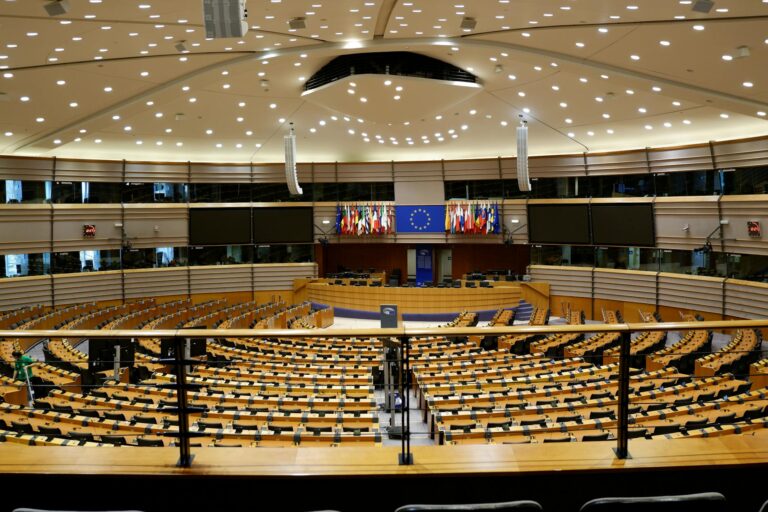
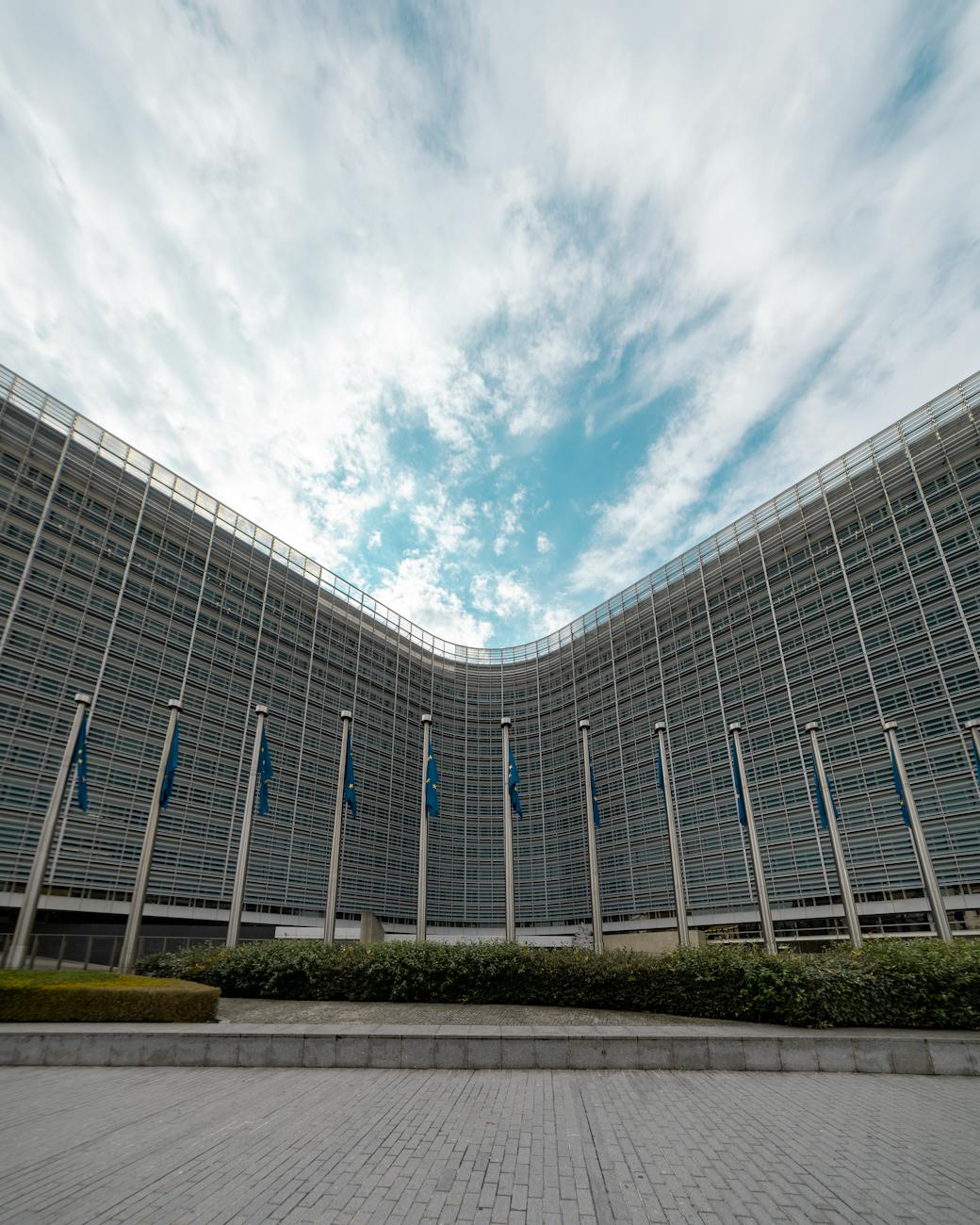
The next ordinary European Council meeting will be held on 18 and 19 June 2026 in the Europa building in Brussels, with one file dominating the agenda: the Multiannual Financial Framework (MFF) for 2028-2034, the EU’s seven-year budget. The Cypriot Council Presidency, which holds office until 30 June 2026, is preparing the so-called negotiation box — an initial proposal with concrete figures that will frame the discussion among the 27 heads of state or government.
What’s at stake in the MFF
President of the European Council António Costa has stated that the debate among EU leaders during the informal meeting of 23-24 April 2026 in Cyprus confirmed that new own resources will play an important role to fund the budget. The Commission’s proposal — already on the table — will be the basis for further work, but openness has been signalled to consider alternative proposals, including those put forward by the European Parliament. The collective responsibility, in Costa’s words, is to reach an agreement by the end of the year, ensuring that the new budget is ready from the beginning of 2028.
Beyond the MFF: Ukraine and defence
The June Council will also revisit the EU’s Ukraine support architecture. To date, the EU has provided €194.9 billion in support to Kyiv, including €69.7 billion in military assistance. In December 2025, the European Council agreed to provide Ukraine with a €90 billion support loan for 2026 and 2027, the first disbursement of which was set for April 2026. EU leaders have called on countries outside the EU to help close the remaining gap of €30 billion needed for Ukraine’s finances. The June meeting will assess delivery and political momentum behind these commitments.
The defence file
In view of the overall geopolitical situation, the informal Cyprus meeting in April discussed the EU’s mutual defence clause, Article 42(7) of the Treaty on European Union. Discussions focused on how the clause can be used in practice. The EU High Representative has been tasked with bringing forward concrete operational guidance, which the June Council will examine. The conflict in the Middle East and the Iran-related disruption of energy markets has injected fresh urgency into the EU’s strategic autonomy debate.
One Europe, One Market progress
On the sidelines of the April Cyprus meeting, the President of Cyprus, the President of the European Parliament and the President of the European Commission signed the ‘One Europe, One Market’ roadmap, setting out concrete measures and timelines across five areas with implementation by end-2027 at the latest. The June European Council will receive a first progress report — establishing whether the political signal of April translates into legislative deliverables in the second half of 2026 under the incoming Lithuanian Presidency.
The procedural choreography
European Council meetings follow a predictable rhythm: an opening exchange of views over dinner on Thursday evening, structured discussions on the published conclusions through Friday, and a closing press conference. The most consequential text in June will be the MFF section. If the negotiation box reveals deep splits between net contributors (Germany, the Netherlands, Sweden) and net beneficiaries (Poland, Hungary, Romania, the Baltics), the document for adoption may be brief and procedural rather than substantive. If, however, Cyprus and the Commission can identify a landing zone, June 2026 will be remembered as the moment the next EU budget cycle began to take real shape.