ECB Confirms Euro Area Resilience: Growth Revised Up to 1.4% From 2027 With Inflation Stabilising at 2% Target
The European Central Bank reconfirmed in May 2026 that euro area economic activity remains resilient despite a challenging global environment. Growth has been revised up to stand above 1% in 2026 and to rise to 1.4% from 2027 onward. Inflation is on track to stabilise at the 2% target in the medium term, while the labour market continues to support household incomes with unemployment close to its historical low.
The numbers
Euro area GDP grew by 0.3% in the third quarter of 2025, mainly reflecting stronger consumption and investment. Growth was largely driven by the services sector, while activity in industry and construction remained flat. For 2026, business investment and substantial government spending on infrastructure and defence are expected to be key engines, alongside resilient private consumption supported by real wage gains.
Inflation outlook
Headline inflation has continued its descent toward the 2% target throughout the first half of 2026. Core inflation — excluding energy and food — has proven more persistent but is projected to ease as wage growth normalises. Forward-looking indicators point to wage growth easing in the coming quarters before stabilising toward the end of 2026. The ECB’s medium-term assessment confirms that inflation should anchor at the 2% target, allowing for the gradual recalibration of monetary policy.
Vulnerabilities
Three structural risks remain prominent in the ECB’s analysis. First, sudden market drawdowns could pose challenges to euro area non-banks given their liquidity and leverage vulnerabilities, increasing the risk of fire sales. Opaque private equity and private markets could amplify any downturn. Second, growing interlinkages between banks and the non-bank financial sector could expose funding vulnerabilities under stressed market conditions. Third, fiscal challenges in some advanced economies, including the United States, could test investor confidence and trigger spillovers to euro area sovereign bond markets.
The China factor
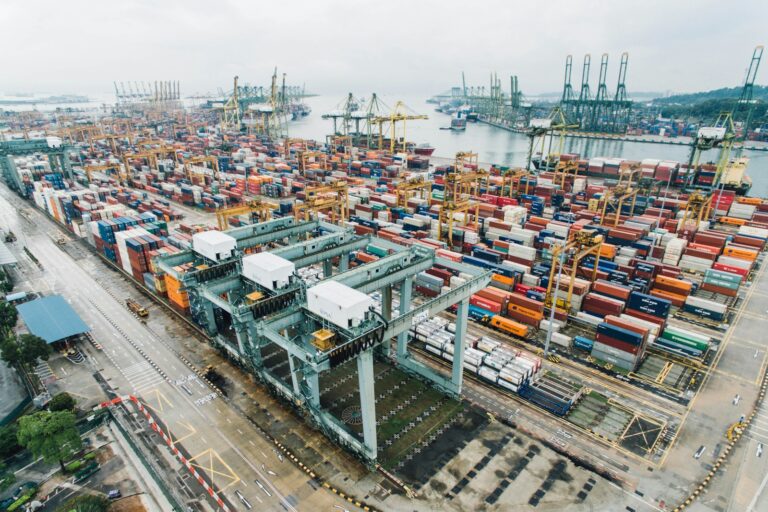
China has become increasingly competitive in key export sectors of euro area countries, with its share of global exports rising steadily, particularly in advanced manufacturing and green technology sectors. The euro area’s open economy and deep integration into global supply chains means it is structurally exposed to external shocks and to the sharper US-China trade rivalry now reshaping global flows. ECB officials have repeatedly emphasised that greater European cooperation and integration are not optional — they are the only way forward.
Policy implications
With inflation under control and growth picking up, the ECB Governing Council retains policy flexibility. The deposit facility rate stands at 2.25% after the cuts of 2025. Further cuts would only follow if disinflation proves faster than expected or if external shocks weaken demand more sharply. The current stance is described by President Christine Lagarde as “appropriately calibrated” for the prevailing macroeconomic conditions, with the Council remaining strictly data-dependent meeting by meeting.