Eurozone inflation hits 3 percent as Iran war drives energy prices
Eurozone consumer prices rose by 3 percent in April 2026, the highest level since July 2024, according to the latest data from Eurostat. The reading came in above the European Central Bank’s 2 percent medium-term target and reflected the impact of the Iran war on global energy markets, which has reshaped the eurozone’s near-term inflation trajectory and the outlook for monetary policy.
What is driving the price pressures
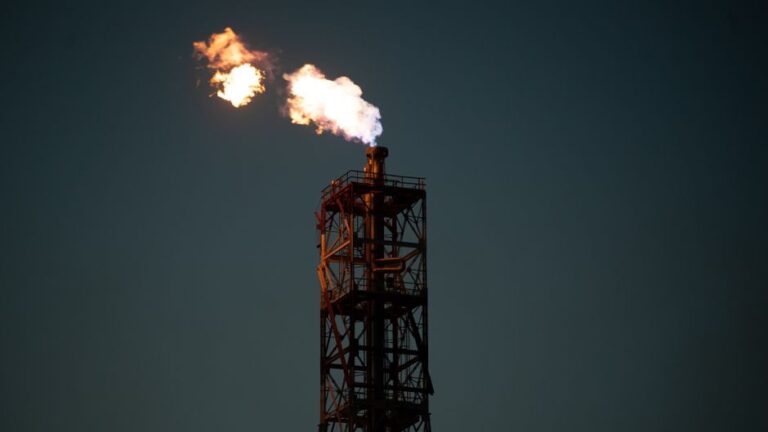
The principal factor behind the acceleration in headline inflation has been the surge in energy prices following the outbreak of the conflict in the Middle East. Brent crude oil prices spiked, gas prices rose sharply across European hubs, and electricity costs followed. Beyond direct energy effects, second-round impacts are being scrutinised by policymakers. Bundesbank President Joachim Nagel referred to the situation as a layer cake of shocks, with each layer adding to the complexity of disentangling temporary from persistent inflation pressures.
The ECB’s revised outlook
At its March 2026 meeting, the ECB raised its inflation forecast for 2026 to 2.6 percent, up from a previous 2.0 percent projection, driven primarily by higher energy prices linked to the Middle East war. Growth forecasts were cut, with the central bank now expecting eurozone GDP to rise by just 0.9 percent in 2026, before recovering to 1.3 percent in 2027 and 1.4 percent in 2028. The combination of higher inflation and weaker growth has revived concerns about stagflation in the bloc.
What it means for households and policymakers
Higher prices erode purchasing power, particularly for energy and food, which weigh heaviest on lower-income households. Member states have responded with a patchwork of energy support measures, while the European Commission has reactivated some of the policy frameworks first deployed during the 2022-2023 energy crisis. For the ECB, the path forward depends on whether inflation expectations remain anchored. If they begin to drift, policymakers have signalled they would respond with rate hikes despite the weak growth picture.