
Poland’s ‘Abortomat’ pill lockers challenge restrictive abortion laws
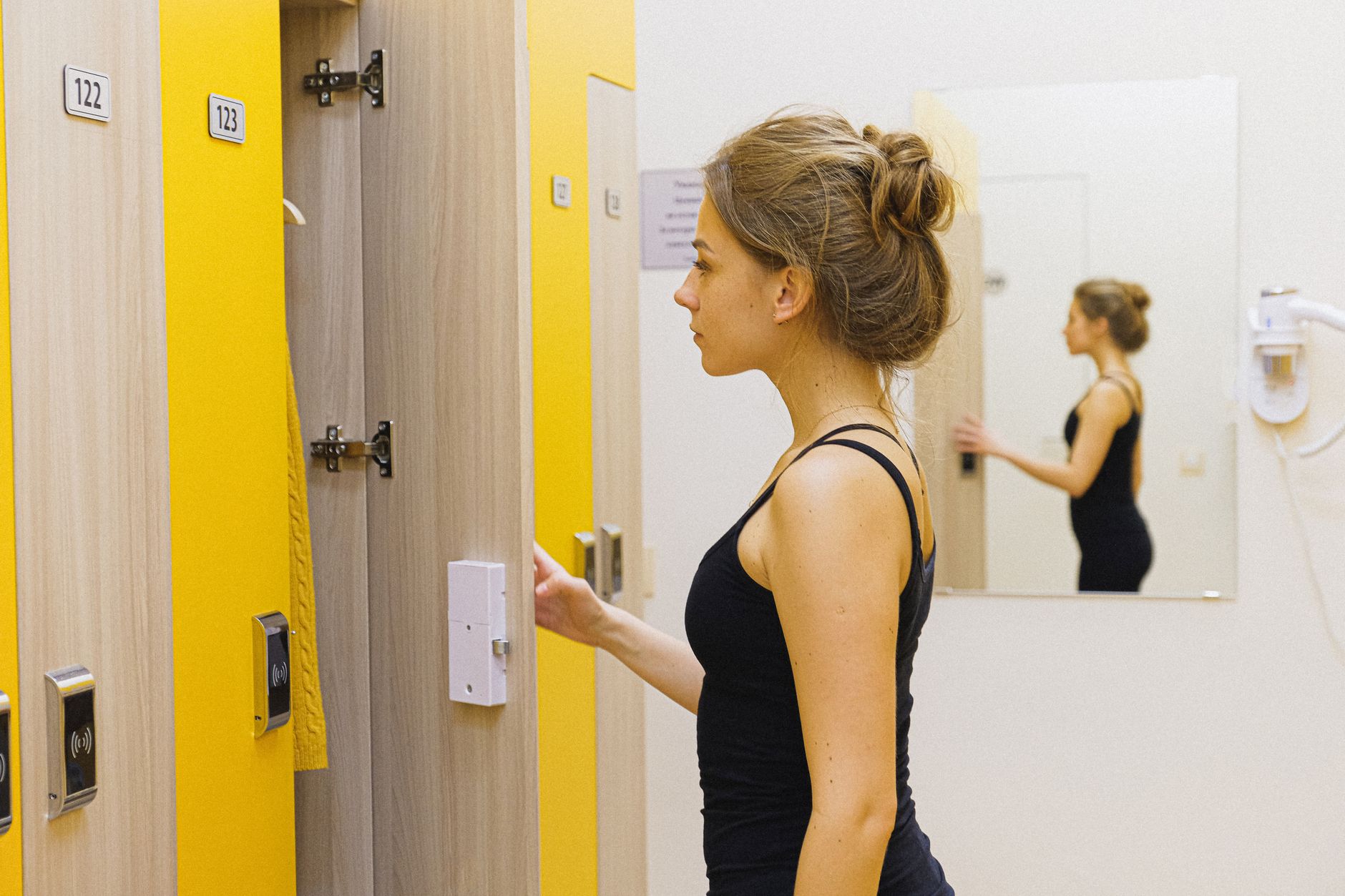
Women’s rights activists in Poland have opened what they call the world’s first delivery locker for abortion pills, located in a building directly opposite the Polish parliament. The ‘Abortomat’ is a set of 22 pink lockers inside Abotak, Poland’s first abortion center, where women can discreetly collect medication after an online medical consultation. Activists say the prominent location sends a clear message to politicians, including Prime Minister Donald Tusk, who pledged to legalize abortion on demand up to the 12th week before the 2023 parliamentary election but has failed to deliver.
Poland has some of the strictest abortion laws in the European Union. Termination is allowed only when the pregnancy results from a crime such as rape or incest, or when it endangers the woman’s health or life. Women who have abortions are not criminalized, but anyone helping them can face up to three years in prison. In 2023, activist Justyna Wydrzynska became the first person convicted in Poland for helping a woman obtain abortion pills by mail; that conviction was later overturned and a retrial ordered.
How the Abortomat works
To use the Abortomat, a woman first completes a medical questionnaire with the organization Women Help Women. After a doctor reviews it, she receives a PIN code to open one of the lockers. Inside is a package containing mifepristone and misoprostol, typically used up to the 14th week of pregnancy. Mifepristone is not registered in Poland, but it is registered in the EU, and Polish women can legally order it for their own use. Wydrzynska believes the Abortomat does not break the law because a machine, not a person, delivers the pills, though she admits she is not certain.
Dr. Sabrina Mana-Walasek, a reproductive rights lawyer representing Wydrzynska, describes the legal environment as “complicated.” She notes that “if a woman orders pills for herself and pays for them herself, it’s not a crime.” However, the ultra-Catholic legal group Ordo Iuris has notified prosecutors that activists are committing a crime, arguing that the machine is operated by people who send codes, order pills, and restock compartments.
Opposition and daily reality
Anti-abortion demonstrators regularly gather outside Abotak with horns and loudspeakers, aiming to pressure the landlord into revoking the rental agreement. One woman holding an image of the Virgin Mary told DW that abortion “is the work of Satan” and “against the fifth Commandment.” Despite such opposition, activists say demand is high. Natalia Broniarczyk of Abortion Dream Team reports the group helps about 130 women daily, most of whom use pills costing around €75; the rest travel abroad for clinic procedures. In 2023, only 851 abortions were performed in Polish hospitals.
Diana, a 25-year-old Ukrainian woman living in Warsaw, used abortion pills in her sixth week of pregnancy earlier this year. “I was expecting something like a headache, stomachache, maybe vomiting, but I had nothing like that. It was just like a normal period,” she said, adding that she felt relief and knew it was the right choice.
Political deadlock and future uncertainty
After taking office in 2023, Tusk’s coalition of left-wing and conservative partners could not agree on abortion legislation, and separate bills failed in 2024. Tusk himself said abortion on demand would not be possible during the current parliamentary term. In October, two bills were narrowly approved by the Sejm: one would reinstate severe irreversible fetal defects as a legal ground for abortion, and the other would partially decriminalize helping a woman terminate a pregnancy. However, right-wing President Karol Nawrocki, backed by Law and Justice, opposes abortion and is expected to veto the bills. A poll by SW Research for Onet.pl found that almost 61% of respondents want Nawrocki to sign the fetal defect bill into law.
Broniarczyk is frustrated with the liberal politicians in Tusk’s coalition. “I’m mad at the liberals because for three years, they did nothing to protect us,” she said. “They lost three years and now, when we’re close to an election, they are fighting for our voices and respect. People are more progressive than politicians.”