Student-Led Protests in Albania Demand PM Rama’s Resignation
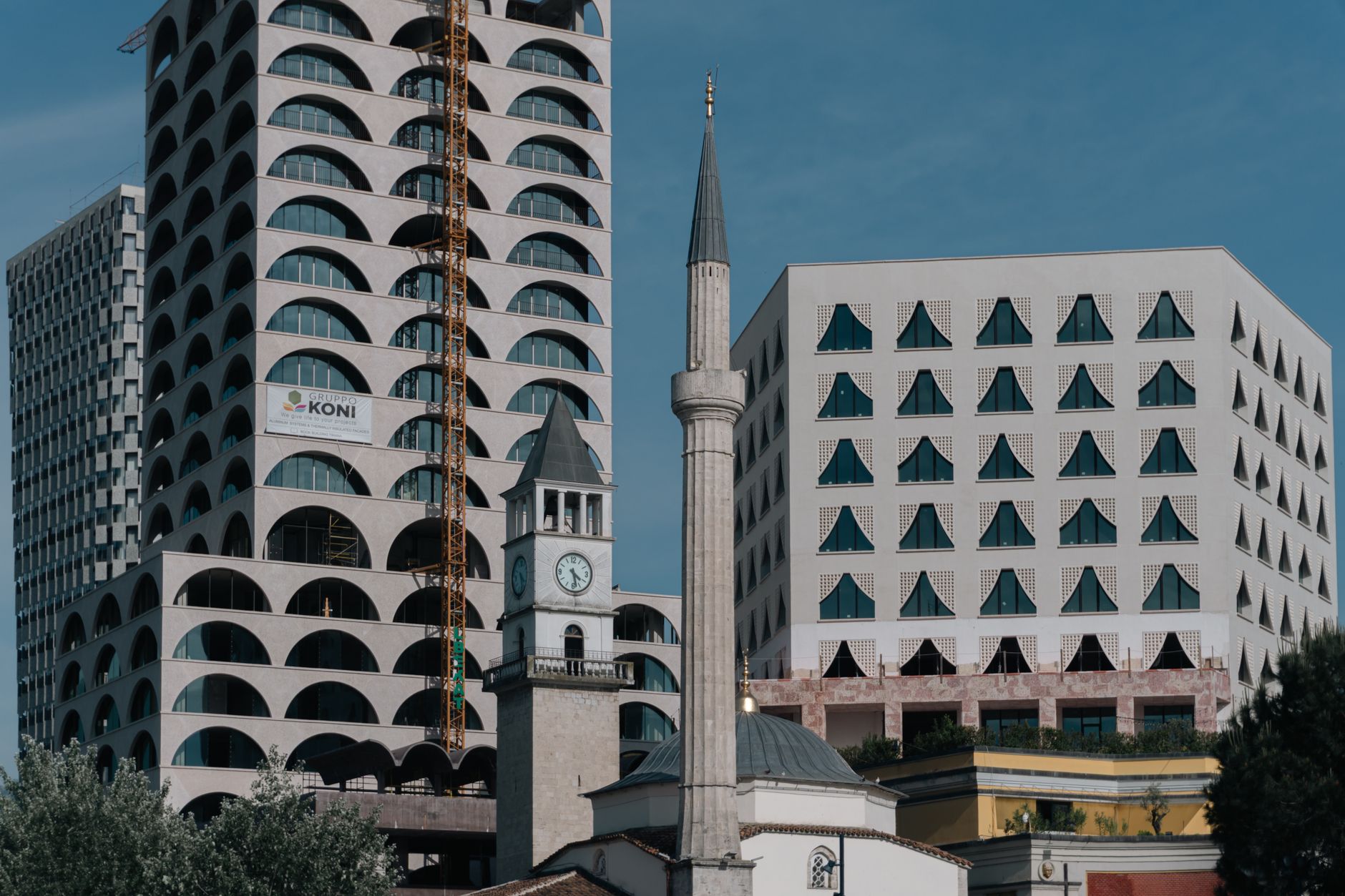
In Tirana, luxury high-rise towers present the image of a modern European capital, but at the foot of one such building, 22-year-old economics master’s student Samanta wept as she removed her tear gas mask. “How could I ever afford an apartment in one of these towers on a salary of €540 [$608]?” she asked. She explained that she shares rent with strangers because her family has emigrated, saying, “We’re exhausted.”
University lecture halls in the Albanian capital stand empty as students boycott classes and take to the streets. Their central demand is the resignation of Prime Minister Edi Rama, who has led the country since 2013. The protests are part of the “Flamingo Revolution,” an anti-government movement that began in late May over a tourism development project in the protected coastal area of Zvernec, linked to Jared Kushner, son-in-law of US President Donald Trump. Over time, the movement has evolved into a broader challenge to Rama’s government.
Escalation and Government Response
In the past three days, student demonstrations have turned violent. Bins, businesses, buildings, and banks were set ablaze, some completely burned out, and tear gas filled the air. Authorities reported 152 arrests and 324 people under investigation, with injuries on both sides; police said 71 officers were hurt. Students cite poor university conditions, high education costs, and bleak job prospects, but above all they want the government to step down and refuse to negotiate other demands. “You didn’t listen to us for four months while we protested peacefully. Now you’ll listen as the city burns,” Samanta said.
After remaining silent during the first two days of student protests, Rama appeared in a video message recorded inside the fire-damaged College of Europe building, near his office. He blamed the opposition, saying, “These are the hands of an opposition that, hiding behind masked people, wants to drag Albania back to a place it will never return to.” Later, he ruled out resigning, insisting governments change only through elections. The following day, he accused “foreign hands” of trying to block Albania’s EU membership.
Political Reactions and Analyst Views
Sali Berisha, the 82-year-old leader of the opposition Democratic Party and a former prime minister, dismissed Rama’s accusations. “We have no idea whether it’s Greece, Iran, Serbia or someone else,” he said mockingly. Berisha declared full support for the protest, urging, “Resign and leave immediately!”
Rigels Xhemollari of the civil society group Qendresa Qytetare said the student revolt is the culmination of months of peaceful protests, during which the prime minister failed to respond and mocked demonstrators. He also pointed to the economic situation, corruption cases, and successive scandals involving senior officials. However, anger is not limited to Rama’s administration; protesters also express frustration with the political opposition. “We want the political class of the past 35 years to go. We want a new Albania with new leaders,” said Skerdi Topalli, a 20-year-old journalism student.
Political analyst Mark Marku, dean of the Faculty of History and Philology at the University of Tirana, called the protests a turning point, noting that a generation has awakened society. But he cautioned that Rama’s resignation and early elections would not guarantee new leadership. “Challenging the government is not an end in itself. A protest must produce a result,” he said. Xhemollari maintains that only Rama’s resignation can end the revolt, proposing that the president bring parties together to form a caretaker government led by a non-partisan prime minister, paving the way for elections in May 2027.