EU leaders confront funding shortfall for Ukraine as Trump-Putin alliance strains resolve
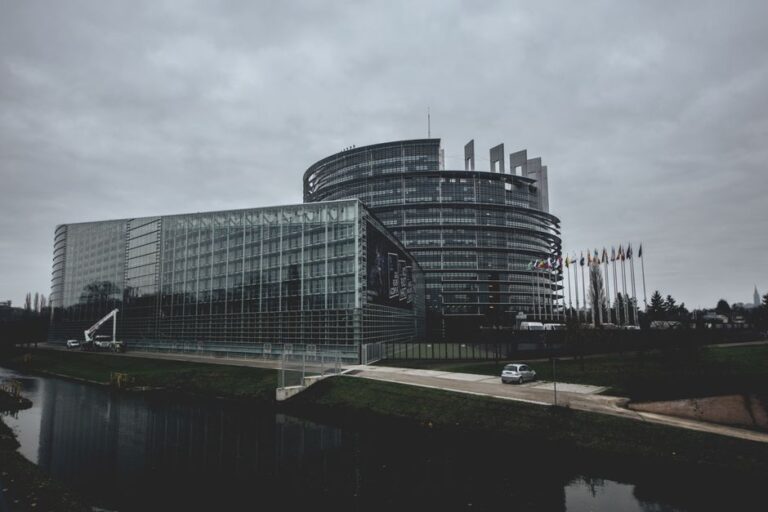
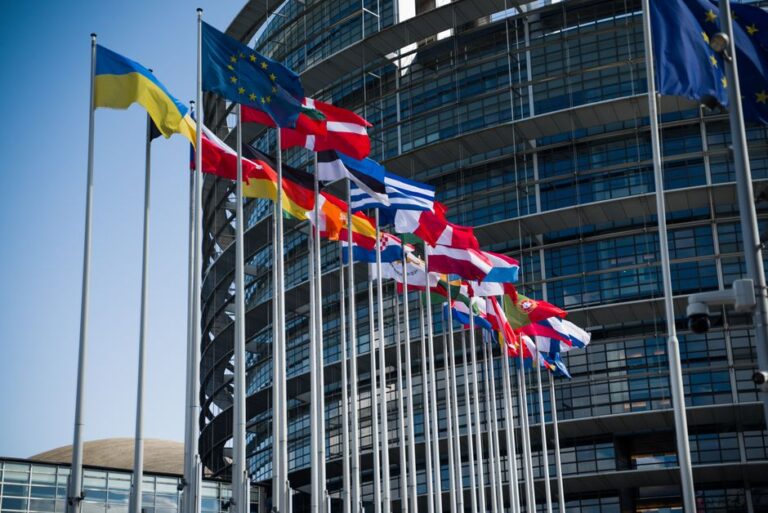
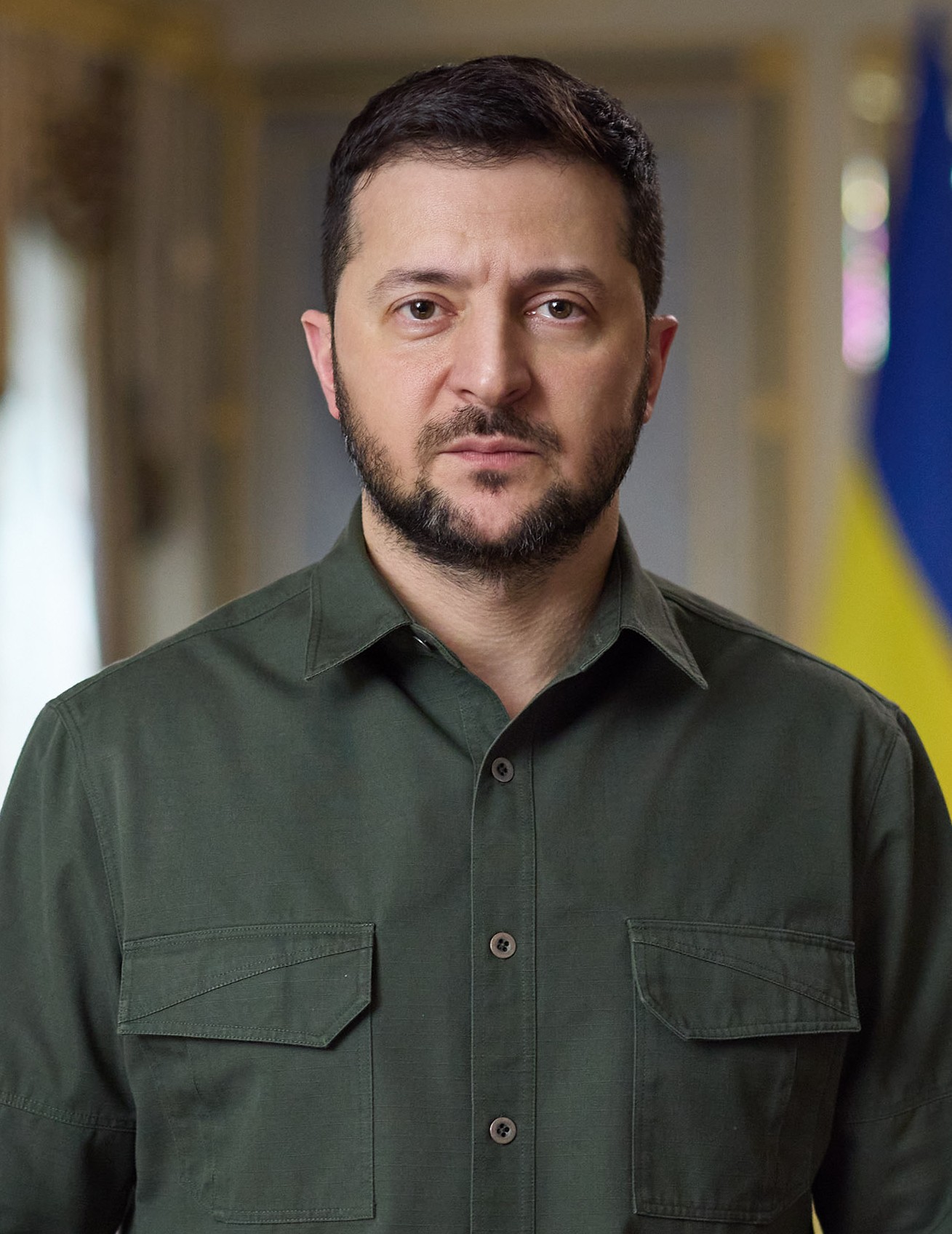
European Union leaders gathered in Brussels for a second day of summit talks on Friday, with Ukrainian President Volodymyr Zelenskyy joining them to press for more weapons and cash. The meeting comes amid growing alarm over a multibillion-euro shortfall in funding for Kyiv next year and a crisis of faith among allies triggered by recent U.S. moves seen as favoring Russia. Zelenskyy told the assembled prime ministers and presidents that Europe must act together to protect lives and apply more real pressure on Moscow.
Speaking to reporters, Zelenskyy said, “We all in Europe want this war to end,” but stressed that signals of strength were needed now, along with more defense support for Ukraine. His appeal came as air drones hit two ships in or near Romanian waters, prompting emergency talks with NATO. The incident underscored the immediate security threat facing EU member states on the alliance’s eastern flank.
Funding gap and frozen assets
EU governments remain split over the bloc’s next seven-year budget, with populist forces surging and national elections looming in major power centers. Meanwhile, Ukraine faces a severe cash crunch, and leaders informally discussed options on Thursday before returning to the issue around the summit table on Friday. One idea gaining traction is the use of hundreds of billions of euros in frozen Russian financial assets held in European banks, the bulk at the Euroclear depository in Brussels.
A previous attempt to send those funds directly to Kyiv was blocked by Belgium and other countries over concerns about legal exposure. Now Sweden, Finland, and Germany are calling for a fresh look. German Chancellor Friedrich Merz said, “We will also have to increase funding once again in order to provide Ukraine with truly long-term assistance.” He urged counterparts to do everything possible to help Ukraine get through the winter and continue support next year, defending Ukraine’s territorial integrity and Europe’s political order against Russian pressure.
A German official said using the assets was the most viable option and should be discussed, while other options include loans or direct grants from national governments. The European Commission is to produce a new detailed assessment of Ukraine’s funding needs and an options paper including the use of assets. Finland’s Prime Minister Petteri Orpo said, “The best solution would be that we will have a solution on how to use frozen assets … We have to try again.” Sweden’s EU Affairs Minister Jessica Rosencrantz added that doing nothing is not an option and that leaders must be honest about the need for increased financing.
Trump’s moves draw criticism
Orpo also sharply criticized recent U.S. actions, describing President Donald Trump’s “terrible deal” with Putin on diesel as hard to understand. He noted that Washington has opened American markets to previously banned Russian diesel, aiming to ease price pressures but risking a boost to Russia’s war chest from additional fossil fuel exports. Three European officials warned this could tilt the balance of the expensive war in Moscow’s favor. Orpo also questioned apparent U.S.-imposed limits on Starlink technology used by Ukraine to counter Russian attacks.
“My message to [Trump] is that we are allies,” Orpo said, adding that the biggest threat against NATO is Russia and that Trump should not trust Putin. He suggested Trump may be focused on winning votes ahead of next month’s U.S. midterm elections. A U.S. proposal to unfreeze some Russian assets and transfer them to a U.S.-controlled entity as leverage in peace talks drew strong criticism, with Merz insisting that assets frozen in Europe “should remain frozen in Europe … That is our business, and we will decide on it.”
Budget battle and political pressures
Beyond Ukraine, EU leaders face a deadline to agree on the bloc’s next long-term budget. European Council President António Costa believes a deal before the end of the year is necessary and achievable, and has taken over negotiations from Ireland, which holds the rotating presidency. Failure by December would push the entire budgeting process beyond the electoral cycle, as several major countries hold elections next year, including Finland and possibly France, where far-right leader Marine Le Pen is leading polls and wants to cut aid to Ukraine and slash the EU budget.
Leaders are split between “frugal” countries like Germany, Sweden, and the Netherlands that want to limit spending, and Italy and Romania, which seek larger pots for regional development and farming. Belgian Prime Minister Bart De Wever, who met Zelenskyy on Thursday, said the frozen assets should be looked at as part of a future peace agreement, though he noted that some dream of operationalizing them earlier for certain purposes. The summit continues as Europe searches for unity in the face of external and internal challenges.