Etna’s Latest Eruption Grounds Flights and Raises Fare Concerns Across Sicily
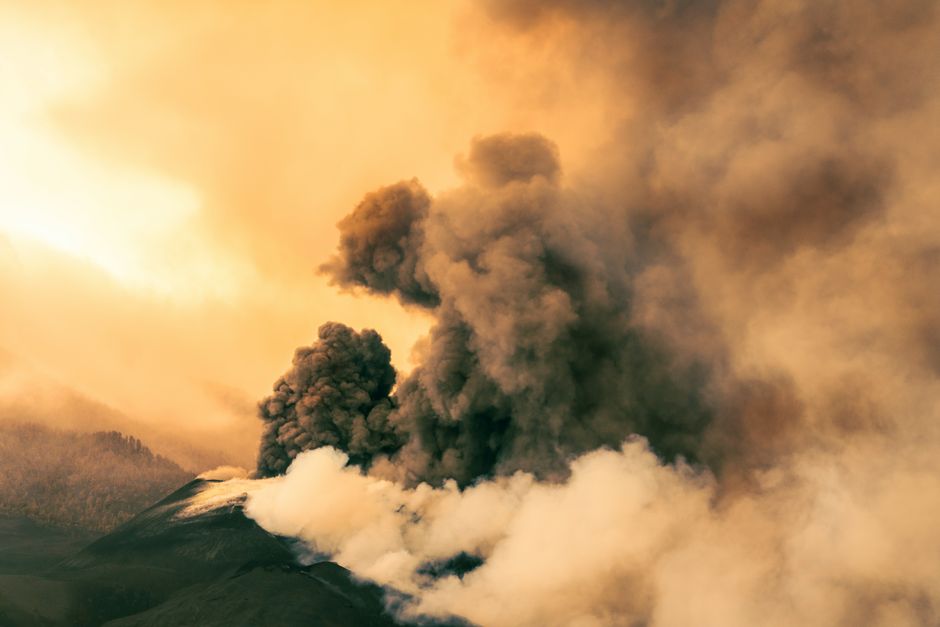
Mount Etna has once again burst into activity, sending plumes of volcanic ash across eastern Sicily and forcing authorities to suspend all flight operations at Catania’s Fontanarossa Airport until at least Sunday. The eruption, one of the most disruptive episodes at the famous volcano in recent months, has left thousands of passengers stranded or scrambling to rebook travel arrangements as airline networks across the region face significant pressure.
Fontanarossa Airport, which serves as Sicily’s busiest air hub and a critical gateway for both tourism and commerce in southern Italy, has been effectively shut down since ash clouds rendered safe operations impossible. Officials said the suspension is expected to remain in place while volcanic activity continues and ash dispersal is monitored by aviation authorities. The exact duration remains uncertain, as Etna’s behaviour can shift rapidly.
Disruption Ripples Across the Region
With Catania offline, airlines and airport operators have moved to divert affected flights to other Sicilian airports, most notably Palermo’s Falcone-Borsellino Airport and Comiso Airport in the south of the island. However, the sudden surge in traffic at these facilities has caused considerable strain, leading to significant delays and logistical difficulties for both carriers and ground handlers. According to reports, union representatives working at affected airports have raised formal protests over the chaos generated by the rapid reallocation of services, citing unsafe and unmanageable working conditions arising from the unplanned influx of diverted operations.
The wider economic impact is also drawing attention. Travel industry analysts and consumer advocates have warned that the temporary closure of a major airport, combined with heightened demand concentrated on alternative routes, creates conditions in which airfares can rise sharply. Passengers seeking to reach or leave Sicily in the coming days may face considerably higher ticket prices, particularly on short notice bookings, according to reports from travel monitoring sources. Budget-conscious travellers and those with fixed travel plans are likely to bear the brunt of any price increases.
Sicily is a major destination for European tourism, and disruptions of this nature during peak or near-peak travel periods can have measurable knock-on effects for local hospitality businesses, tour operators, and the broader regional economy. Officials in the region have urged travellers to monitor airline communications closely and to check for updates before heading to any Sicilian airport.
Etna, which rises to approximately 3,350 metres above sea level on the eastern coast of Sicily, is one of the most active volcanoes in the world and a designated UNESCO World Heritage Site. Eruptions are a recurrent feature of life in the surrounding area, and Italian civil protection authorities maintain continuous monitoring of the volcano’s activity. While eruptions frequently produce spectacular lava flows and ash columns, they rarely pose a direct threat to populated areas, though the aviation disruption they cause can be severe and far-reaching.
European aviation regulators and Italian civil aviation authorities are reportedly coordinating closely to assess when conditions at Catania will be safe enough to resume normal operations. Passengers with bookings to or from the airport are advised to contact their airlines directly for updated information on rebooking options and potential refunds, as the situation continues to develop.