From Nappies to Nurseries: The Steep Price of Parenthood Varies Sharply Across Europe
Welcoming a new child into the world is a moment of joy for millions of European families each year, but the financial reality that follows can vary enormously depending on which side of a border parents happen to live on. New analysis examining the price of everyday baby essentials — from nappies and formula to clothing and feeding equipment — has revealed striking gaps in affordability across the continent.
The research compares the retail cost of core baby products in multiple European countries, finding that while some nations offer relatively accessible prices for new parents, others impose a considerable strain on household budgets. When the figures are assessed not merely in absolute terms but against national average wages, the disparities become even more pronounced, exposing how purchasing power shapes the true burden of parenthood.
In higher-wage economies in Northern and Western Europe, the nominal cost of baby essentials tends to be elevated, yet remains more manageable as a proportion of monthly take-home pay. By contrast, parents in parts of Central and Eastern Europe may encounter lower sticker prices but face a disproportionate squeeze when those costs are weighed against typically lower average earnings, according to reports on the findings.
The Hidden Affordability Gap
Nappies represent one of the most telling indicators of this disparity. A monthly supply for a newborn can consume a significantly larger share of an average salary in some countries than in others, effectively making a non-negotiable household staple a genuine financial pressure point. Infant formula, similarly, is subject to wide price variation, with some markets seeing costs that analysts describe as substantially above the European norm relative to local incomes.
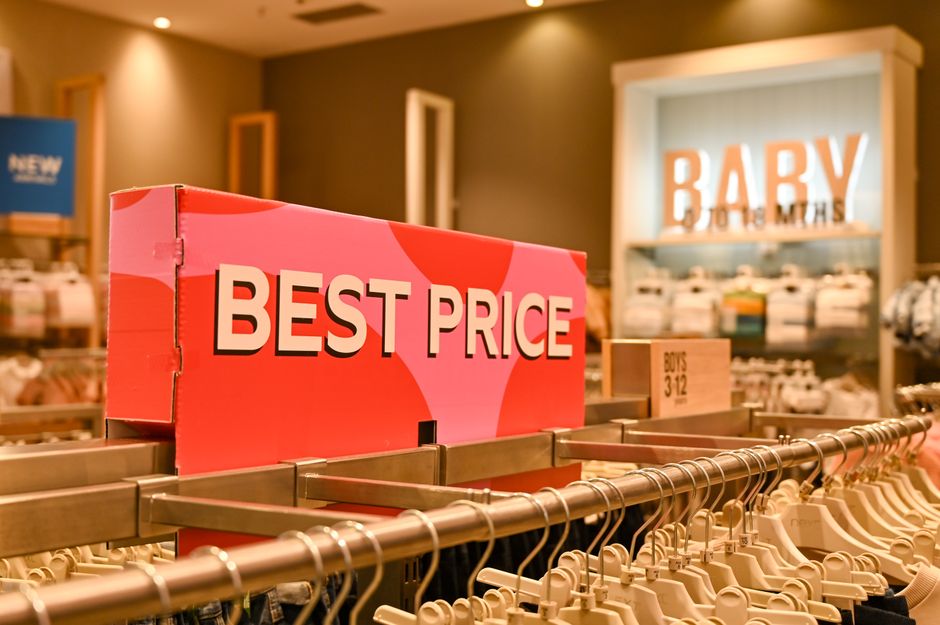
Clothing for infants adds another layer to the picture. While fast-fashion options have brought down the floor price of children’s garments in many markets, brand-conscious purchasing or the preference for certified organic and safety-tested products can push expenditure considerably higher. Reports suggest that in some Western European capitals, outfitting a newborn through its first year can rival the cost of other significant household expenses.
The findings arrive at a moment of heightened policy sensitivity around birth rates across the European Union. Several member states are grappling with demographic decline and have introduced or expanded financial support measures — including baby bonuses, subsidised childcare, and tax relief for families — in an effort to ease the economic calculus for prospective parents. Whether such interventions are sufficient to offset the day-to-day cost pressures highlighted by this latest analysis remains a matter of active debate among policymakers and economists.
Consumer advocacy groups have long argued that the market for baby products, particularly formula and specialised feeding equipment, operates with limited price competition due to strong brand loyalty and parental risk aversion — factors that manufacturers are well positioned to exploit. Calls for tighter price regulation or enhanced public provision of essential baby goods have grown louder in some countries as the cost-of-living crisis of recent years has continued to weigh on young families. For now, where a child is born in Europe remains one of the more consequential — and largely overlooked — determinants of early family finances.