Engineering Reality Check: Why Europe’s Energy Transition Cannot Be Driven by Politics Alone
As European governments race to meet ambitious climate targets and reshape their energy systems, a growing body of expert opinion is pushing back against the assumption that political will alone can steer the continent’s electricity networks through the green transition. The fundamental laws of physics, engineers and grid operators warn, do not bend to policy deadlines.
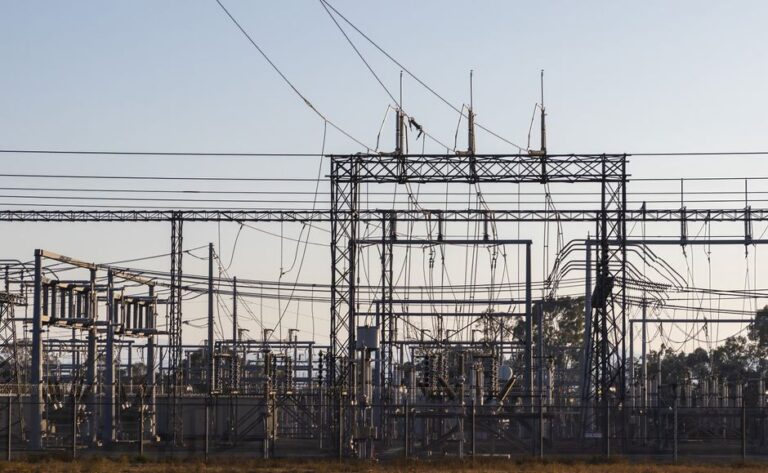
The argument is straightforward but frequently overlooked in high-level energy debates: electricity grids operate according to strict physical principles — voltage levels, frequency balance, load distribution — that cannot be negotiated away in a ministerial communiqué. When supply and demand fall even slightly out of sync across a network, the consequences can cascade rapidly, leading to outages that affect millions of consumers and industries alike.
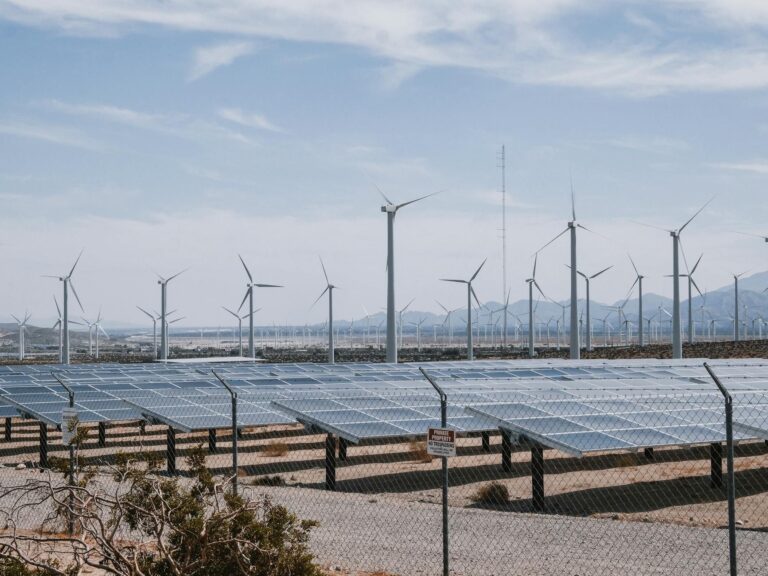
According to reports from within the energy sector, the accelerating deployment of intermittent renewable sources such as wind and solar, while essential to decarbonisation goals, is placing new and complex demands on transmission infrastructure that was largely designed for a different era of centralised, dispatchable generation. Managing this shift requires not just investment but deep technical expertise at every level of grid operation.
Integration and Affordability at the Heart of the Challenge
Observers point to two structural challenges that policymakers have been slow to address comprehensively. The first is the fragmentation of European grid infrastructure. Despite decades of integration efforts and the work of cross-border coordination bodies, significant technical and regulatory barriers remain between national systems. A truly unified European electricity network — one capable of efficiently redistributing renewable surpluses from windy northern coastlines to sun-starved southern demand centres in winter, or vice versa — remains an incomplete project.
The second challenge is financial accessibility. The energy transition carries substantial costs, and there is mounting concern that these are being distributed unevenly. Households and smaller businesses, which have less capacity to insulate themselves through long-term contracts or on-site generation, risk bearing a disproportionate share of the burden as network upgrade costs are passed through to retail tariffs. Officials have acknowledged the tension between the pace of transition and the need to maintain affordable energy for ordinary consumers.
None of this amounts to a case against the energy transition itself. Rather, analysts argue it reflects a need for greater realism about what the transition demands in practical, engineering terms. Political ambition sets the direction; grid engineers and system operators must actually deliver the outcome, often with infrastructure that takes years or decades to plan, permit, and construct.
The European Union has made significant strides on paper, with binding renewable energy targets and revised market design rules intended to smooth the path for clean power. But the gap between legislative frameworks and physical network reality remains a source of friction, according to those working at the operational level of electricity systems.
The broader message emerging from technical quarters is that sustainable energy policy must be co-designed with grid operators and engineers from the outset, rather than presenting them with targets to be fulfilled after the fact. In a sector where the margin for error is measured in milliseconds, the luxury of learning by doing carries risks that extend well beyond any single member state’s borders.