German exports slide in July as Chinese and eurozone demand weighs on recovery hopes
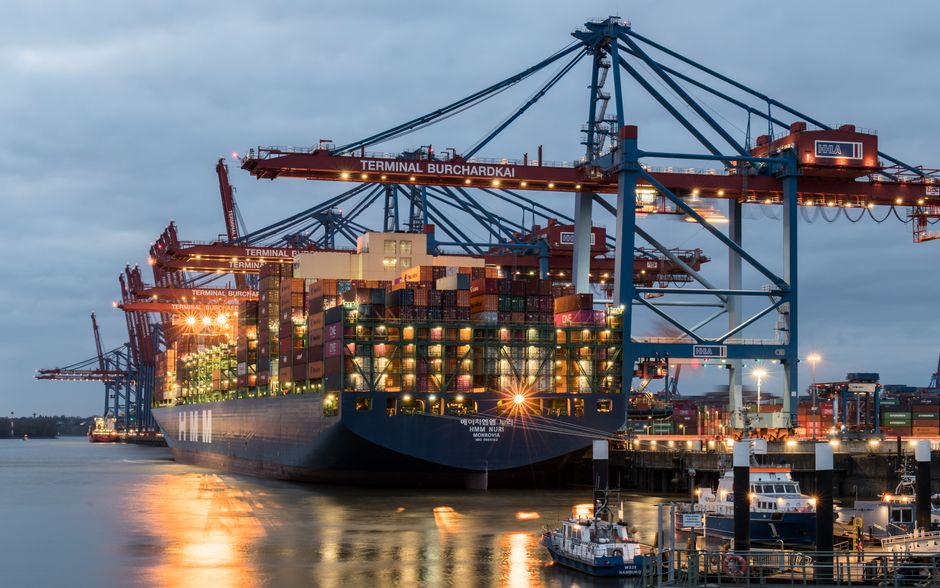
Germany’s export sector has stumbled at a critical moment for Europe’s largest economy, with outbound shipments declining in July for the first time since February, according to reports from federal statistical authorities. The drop has reinforced concerns that Germany’s much-anticipated economic recovery remains fragile and uneven, as weakening demand from two of its most important trading partners offsets modest gains elsewhere.
The fall in exports, recorded across the month of July, was driven primarily by softening orders from China and a broader slowdown in demand across the eurozone. While trade with the United States showed some improvement during the same period, it was not sufficient to compensate for the shortfalls emerging from Asia and continental Europe — a combination that analysts say signals deeper structural vulnerabilities in the German growth model.
Germany has long relied on the strength of its export industries — particularly automotive manufacturing, industrial machinery, and chemicals — to underpin broader economic performance. That model has come under increasing strain over the past two years, as global demand patterns have shifted, energy costs have remained elevated following the post-Ukraine war adjustment period, and competition from Chinese manufacturers has intensified in sectors where German firms once held a commanding advantage.
A fragile recovery at risk of stalling
The July figures arrive at a particularly sensitive juncture. Germany narrowly avoided a technical recession earlier this year, and policymakers had pointed to a gradual upturn in the second half of 2024 as a signal that the worst of the downturn was behind the country. Tuesday’s export data casts doubt on that narrative, according to economic observers monitoring conditions across the eurozone.
The slowdown in China is considered especially significant. German carmakers and industrial equipment suppliers have historically depended heavily on Chinese consumption, but demand from that market has softened considerably amid a prolonged property sector crisis and weaker consumer confidence within China itself. Officials and industry groups have increasingly flagged the need to diversify export destinations, though such structural shifts take years to materialise.
Within the eurozone, the picture is similarly muted. Several of Germany’s closest trading partners — including France and Italy — are themselves navigating sluggish growth, limiting their appetite for German goods. The European Central Bank’s extended period of elevated interest rates, aimed at taming inflation, has also weighed on investment and consumption across the bloc, indirectly dampening demand for German exports.
For European policymakers, the data adds urgency to ongoing debates about the continent’s industrial competitiveness and the pace at which monetary policy can be loosened without reigniting inflationary pressures. Germany’s performance as Europe’s industrial core carries outsized implications: when its export engine falters, the ripple effects are felt across supply chains and growth forecasts from Warsaw to Lisbon. With business confidence indicators already subdued and order books thinning in key sectors, the path to a durable recovery appears narrower than officials had hoped just months ago.