DR Congo and M23 Rebels Agree on Peace Roadmap as Switzerland Brokers New Dialogue Framework
A fresh diplomatic breakthrough in one of Africa’s most protracted conflicts emerged this week as the Democratic Republic of Congo and the M23 rebel group agreed to a structured roadmap for peace negotiations, with Switzerland playing a central role in facilitating the agreement. The announcement raises cautious hopes that sustained dialogue may finally gain traction in a region that has endured decades of instability and humanitarian catastrophe.
Swiss authorities confirmed that representatives from both sides had reached consensus on the framework, which is intended to guide forthcoming peace talks. The precise timeline and venue for those negotiations were not immediately disclosed, though officials indicated that the roadmap sets out concrete steps toward a ceasefire and broader political settlement in eastern DRC.
The development comes against a deeply troubled backdrop. Both parties had previously committed to a peace agreement signed in Doha last year, yet fighting never meaningfully subsided. Armed clashes continued to ravage the mineral-rich eastern provinces, displacing hundreds of thousands of civilians and compounding one of the world’s most acute humanitarian crises. The durability of the latest understanding therefore remains an open question for analysts and aid organisations operating in the region.
A Region Caught Between Diplomacy and Persistent Conflict
Eastern DRC has long been a theatre of overlapping conflicts driven by a volatile mix of ethnic tensions, competition over vast deposits of cobalt, gold, coltan and other valuable minerals, and the involvement of regional state and non-state actors. The M23 — the March 23 Movement — re-emerged as a significant military force in 2022 after a period of relative dormancy, seizing substantial territory and drawing accusations from United Nations experts and Western governments that it has received external military support, allegations that have been disputed.
Switzerland’s involvement reflects a broader European interest in stabilising the Great Lakes region, not least because of the humanitarian toll and the continent’s economic links to Congolese raw materials that feed global supply chains, including those powering the clean-energy transition. Geneva has a long-standing tradition of hosting sensitive international mediation, and its neutrality has made it an attractive venue for talks involving parties with deep mutual mistrust.
Various African-led diplomatic initiatives, including efforts under the East African Community and the Southern African Development Community, have run parallel to international engagement without producing a definitive resolution. The new roadmap appears to represent an attempt to consolidate these strands of diplomacy into a single, coherent process, though the relationship between the Swiss-facilitated track and existing regional frameworks was not immediately clarified by officials.
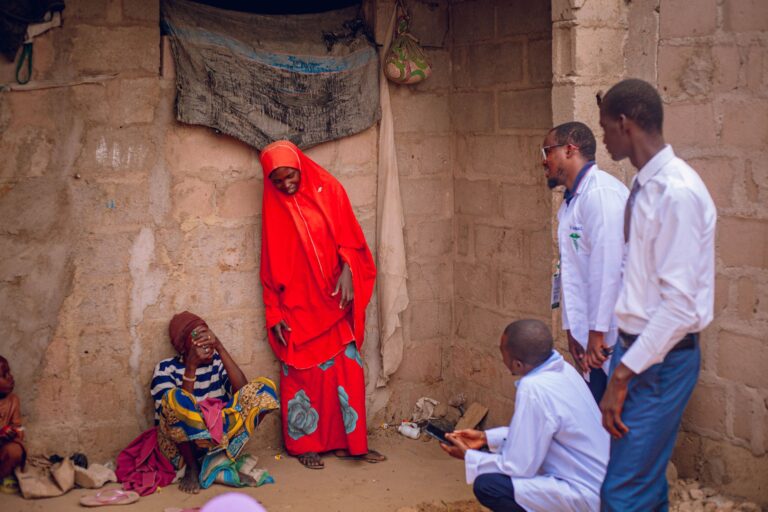
Humanitarian organisations active in eastern DRC have repeatedly warned that continued fighting is preventing the delivery of life-saving assistance to populations already weakened by displacement, disease and food insecurity. According to reports, millions of people remain in urgent need of aid across the affected provinces, and any durable ceasefire would have immediate consequences for relief operations on the ground.
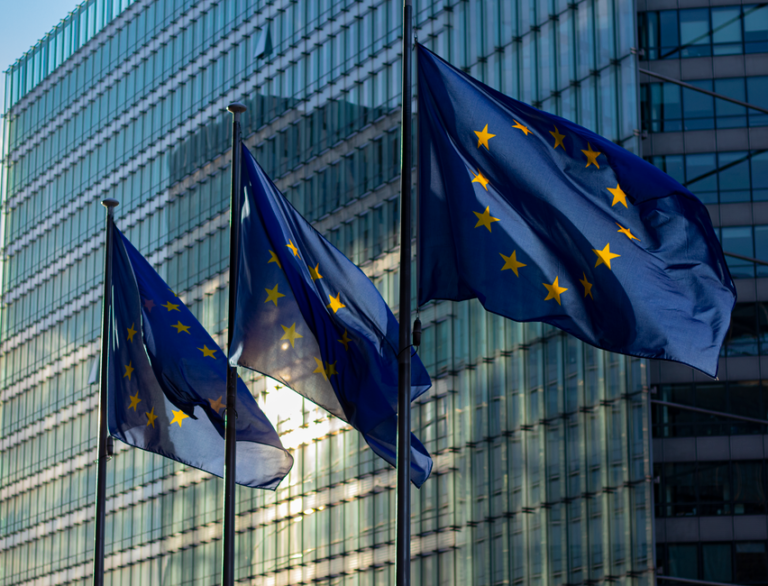
European policymakers have been watching the situation closely, particularly given the DRC’s significance as a supplier of critical raw materials. The European Union has sought to strengthen supply-chain transparency and forge partnerships with resource-rich nations, making political stability in eastern Congo a matter of both moral concern and strategic interest. Whether the latest roadmap translates into a genuine reduction in violence, or joins a long list of agreements honoured only on paper, will depend heavily on the willingness of both parties to make difficult compromises in the weeks ahead.