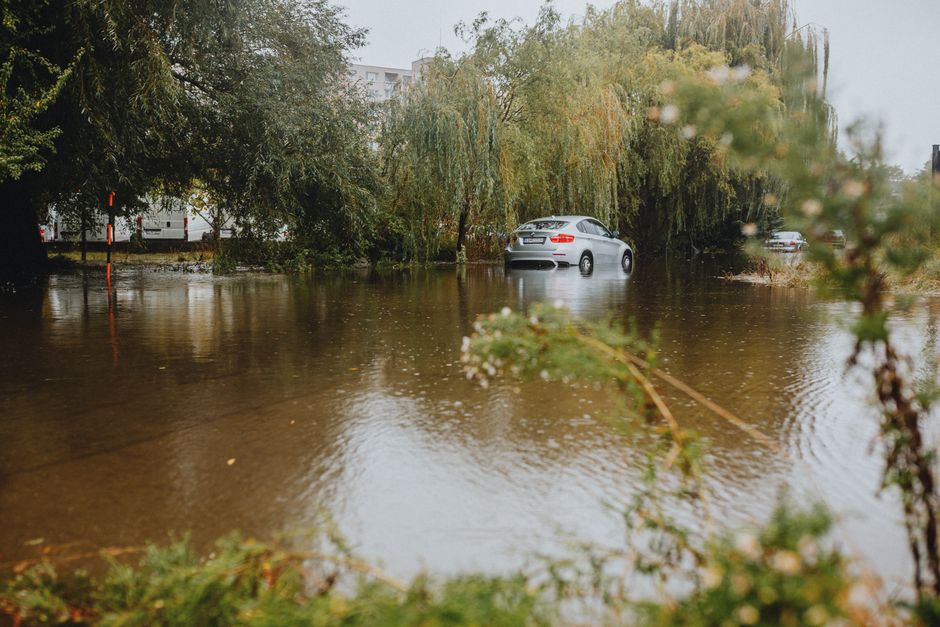
Violent Storms Lash Northern Italy, Triggering Floods Across Three Regions
A powerful weather system swept across northern Italy this week, unleashing torrential rainfall, hurricane-strength winds and intense electrical storms that caused widespread flooding and significant infrastructure damage across the regions of Liguria, Lombardy and northern Tuscany.
The severe front moved rapidly across the area, catching communities in its path and overwhelming drainage systems already under pressure from seasonal conditions. Local emergency services were put on high alert as rivers rose and roads became impassable in several affected areas, according to reports from the region.
Liguria, the narrow coastal strip hugging the Ligurian Sea, bore the brunt of the initial storm activity. The region, long vulnerable to flash flooding due to its steep terrain and densely built coastal towns, experienced particularly intense rainfall that sent water rushing through streets and into lower-lying residential districts. Authorities urged residents to avoid unnecessary travel and to stay away from riverbanks and coastal areas, officials said.
Multiple Regions Mobilise Emergency Responses
In Lombardy, Italy’s most populous region and economic heartland, the storms brought gale-force winds alongside the rain, with reports of downed trees and disrupted transport links in several provincial areas. Emergency crews worked through the worst of the conditions to clear debris and assist those affected, according to local reports. Northern Tuscany also experienced significant disruption, with flooding reported in lower valley areas where rivers and streams swelled rapidly in response to the sustained downpour.
The weather event is part of a broader pattern of increasingly intense autumnal and late-season storms that have become a recurring feature across the Italian peninsula in recent years. Meteorologists have noted that the Mediterranean basin is particularly susceptible to so-called medicane-type systems and fast-developing convective storms, which can deliver extreme precipitation in a compressed timeframe, leaving little opportunity for communities to prepare or for infrastructure to cope.
Italy’s Civil Protection Department is understood to have coordinated responses across the affected regions, with personnel deployed to monitor critical waterways and support local authorities managing the immediate aftermath. The full extent of the damage to property, agricultural land and public infrastructure was still being assessed in the hours following the worst of the storm activity, according to reports.
The events have once again drawn attention to the chronic vulnerability of many Italian communities to extreme weather, a challenge that policymakers at both the national and European level have acknowledged but struggled to adequately address. Investment in land management, river maintenance and urban flood defences has been a long-standing point of debate in Italy, where some of the most picturesque and historically significant landscapes also happen to sit in high-risk hydrological zones. As climate patterns continue to shift, pressure is likely to grow on authorities to accelerate adaptation measures and improve early warning systems across the country’s most exposed territories.