Belgium Records Its Largest Ever Wildfire as Europe Battles Widespread Blazes
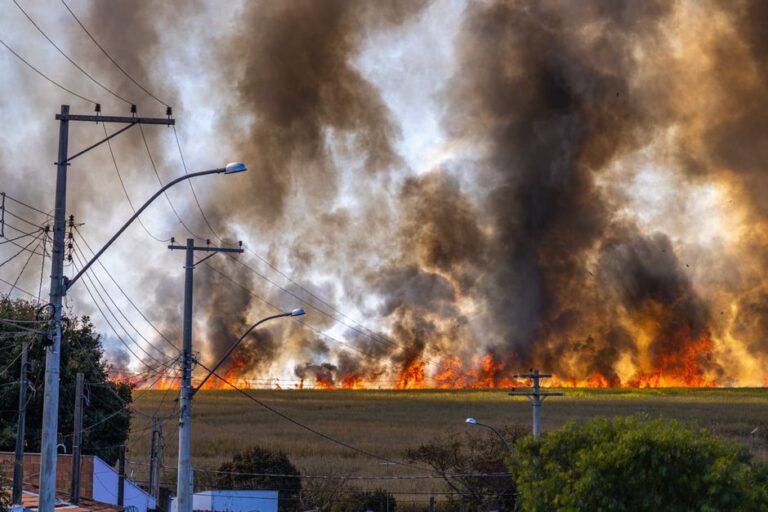
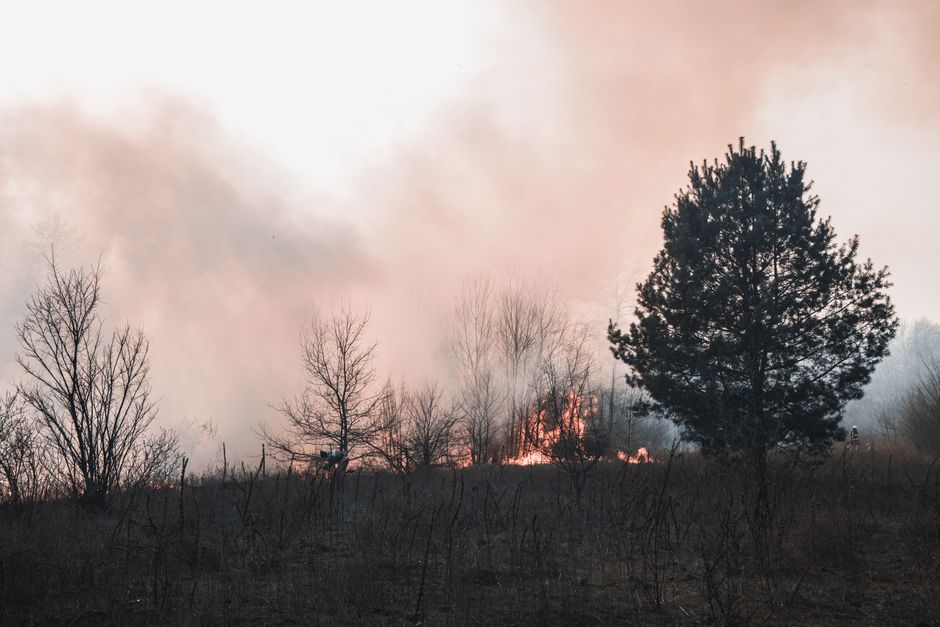
Belgium is grappling with the most destructive wildfire in its recorded history, as a blaze tearing through the country’s eastern region doubled in size within a single 24-hour period, adding to a broader wave of fires pushing emergency services across the European continent to their limits.
The scale of the Belgian fire prompted authorities to activate the EU Civil Protection Mechanism on Saturday, triggering a coordinated cross-border response. Under the framework, three helicopters and two water-bombing aircraft were dispatched from Sweden, the Netherlands, and the Czech Republic to assist local firefighting efforts, according to reports. The deployment underlines growing reliance on European solidarity mechanisms as climate-driven fire seasons intensify.
A Continent Under Pressure From Wildfire Risk
Belgium is not typically associated with large-scale wildfires, making the record-breaking blaze particularly alarming for officials and environmental observers alike. The country’s relatively temperate climate and dense population have historically limited the kind of prolonged fire events seen in southern Europe, but shifting weather patterns appear to be expanding the zones of risk northward across the continent.
The rapid escalation of the eastern Belgian fire — doubling in size overnight — reflects conditions that fire experts have long warned about: dry vegetation, elevated temperatures, and wind patterns that can transform manageable outbreaks into major emergencies within hours. Officials have not yet released precise figures on the area affected, but early assessments suggest the blaze ranks as unprecedented in national records.
The incident comes as other parts of Europe also contend with active fire situations, placing simultaneous demands on shared European resources and national civil protection agencies. The EU Civil Protection Mechanism, which allows member states to request and coordinate assistance, has seen increased activation in recent years as extreme weather events grow more frequent and severe across the region.
Aerial firefighting assets remain among the most critical and limited resources during peak wildfire season. The arrival of aircraft from Sweden, the Netherlands, and the Czech Republic represents a practical demonstration of the mechanism’s value, though the concurrent nature of fire emergencies across Europe raises questions about capacity and readiness at a continental level.
Environmental and climate policy advocates are likely to point to events such as this as evidence of the urgency behind the European Green Deal and related adaptation strategies. While Belgium has invested in emergency response infrastructure, the unprecedented nature of this fire suggests that existing frameworks may need reassessment in light of a changing climate. Authorities are expected to provide further updates on containment efforts as operations continue into the coming days.