Anti-Israel Protests Greet Cruise Ship at Greece’s Piraeus Port
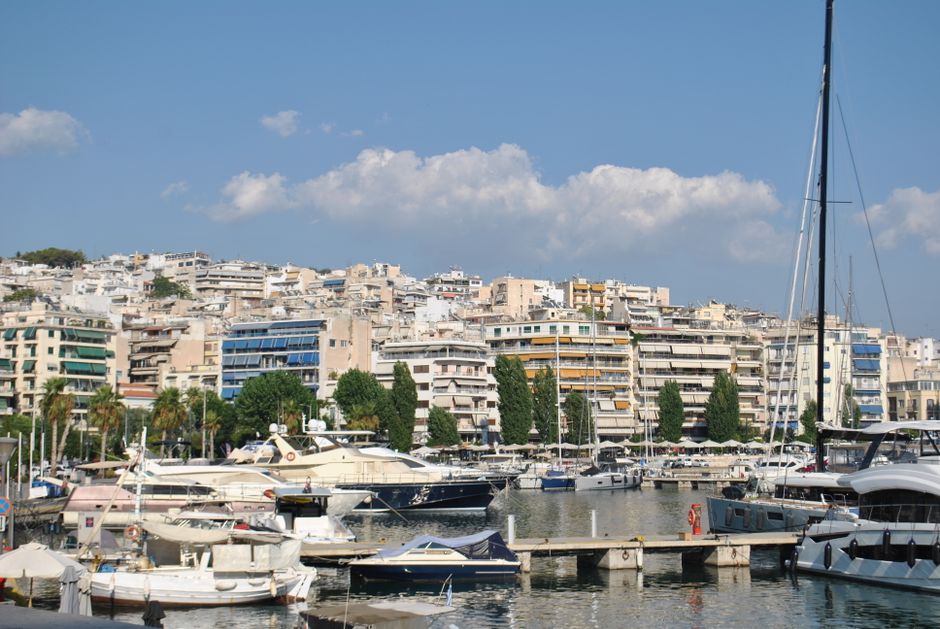
Demonstrations broke out at Greece’s largest port on Monday as an Israeli-flagged cruise vessel, the Crown Iris, docked at Piraeus, drawing crowds of protesters who voiced strong opposition to the ship’s arrival amid the ongoing conflict in Gaza.
Dozens of demonstrators gathered near the port’s entrance, waving flags and holding banners as the vessel berthed. The protest reflected a broader wave of anti-war sentiment that has intensified across parts of Europe in response to Israel’s military campaign in the Palestinian territory, which has now continued for well over a year. One protester was reported to have described those associated with the ship in sharply hostile terms, according to reports, stating that demonstrators did not want them in the country.
Tensions at European Ports Over Israeli Vessels
Greece has seen a series of demonstrations connected to the Gaza conflict, and Monday’s scenes at Piraeus fit into a wider pattern of activist-led efforts to draw attention to ships with Israeli connections calling at European harbours. Pro-Palestinian groups in several EU member states have in recent months attempted to block or disrupt the movement of vessels they associate with Israel, whether cargo ships or, as in this case, passenger cruise liners.
The Crown Iris is understood to operate under an Israeli company, making it a symbolic target for demonstrators who argue that economic and commercial ties with Israel should be severed until hostilities in Gaza cease. Port authorities and local police were present at the scene to manage the situation, according to reports, and the ship was ultimately able to dock without major incident.
Greek authorities have generally sought to balance the right to peaceful protest with the unimpeded functioning of Piraeus, one of the busiest and most strategically important ports in the Mediterranean. The port serves as a major transit hub for both freight and tourism, and disruptions there carry significant economic implications for the country.
The demonstrations in Piraeus come as European governments continue to navigate delicate diplomatic terrain surrounding the Middle East conflict. Several EU states have taken steps to review arms exports to Israel, while others have faced domestic political pressure to go further in distancing themselves from Israeli government policies. Greece, which historically has maintained relatively warm diplomatic and security ties with Israel, has not taken any formal measures to restrict Israeli maritime or commercial access.
Pro-Palestinian activist networks operating in Greece indicated that protests of this nature are intended to send a political message rather than cause lasting operational disruption. Whether such demonstrations succeed in shifting government policy remains an open question, but their visibility at high-profile locations like Piraeus ensures continued public debate over Europe’s relationship with Israel during one of the most prolonged and deadly episodes of the Israeli-Palestinian conflict in decades.