Zelenskyy: The Wartime Leader Reshaping Europe’s Political Landscape
Few figures in contemporary European politics have undergone as dramatic a transformation in the public eye as Volodymyr Zelenskyy. Once known primarily as a television comedian turned unlikely presidential candidate, the Ukrainian head of state has since emerged as one of the most consequential and closely scrutinised leaders of his generation, steering his country through a war that has fundamentally altered the continent’s security architecture.
When Russian forces launched their full-scale invasion of Ukraine in February 2022, many Western analysts quietly expected Kyiv to fall within days. Zelenskyy’s decision to remain in the capital — famously captured in a brief video recorded on a Kyiv street — set the tone for what would become a sustained effort not only to defend Ukrainian territory, but to reshape the West’s understanding of its own strategic interests. His ability to mobilise international support, address foreign parliaments, and maintain domestic cohesion under existential pressure has been widely noted by political observers across Europe.
His leadership style is characterised by a constant, high-visibility media presence combined with a tight inner circle of advisers. Decision-making within his administration is described by analysts as centralised, with Zelenskyy personally driving key diplomatic and military priorities. Critics, however, have raised questions about governance standards, press freedoms, and the consolidation of power during wartime — concerns that Ukrainian officials have largely framed as necessary measures in a state of active conflict.
A Leader Defined by War — and by What Comes After
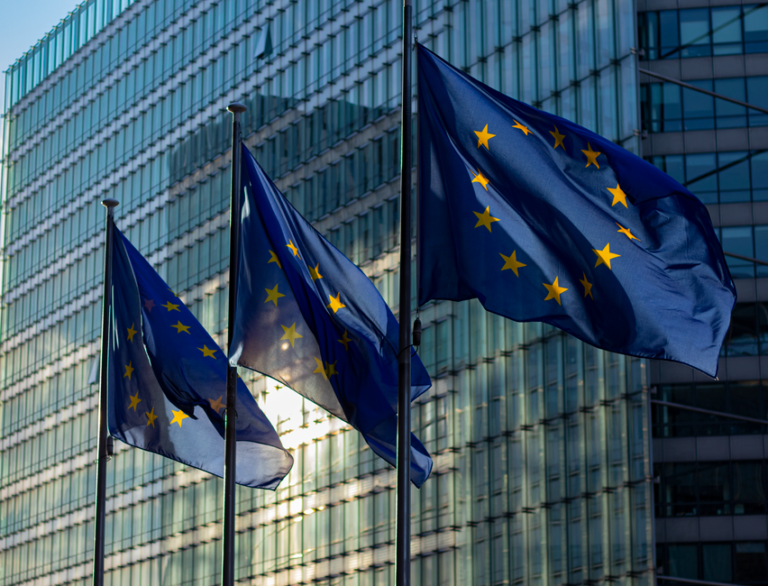
Beyond the battlefield, Zelenskyy has positioned himself as a champion of Ukrainian integration into Western institutions, making European Union and NATO membership the twin pillars of his political vision. Progress toward EU candidate status has been described by Brussels officials as substantial, though the path to full membership remains long and complex. NATO accession, meanwhile, continues to be a source of tension among alliance members, with differing views on the risks and timing of any formal commitment to Ukraine.
Zelenskyy’s relationship with Western leaders has been notably dynamic. He has proved adept at applying political pressure on allies to deliver heavier weapons systems and greater financial support, often using public appearances and direct appeals to shift the terms of debate in foreign capitals. According to reports, some European governments have at times found his approach diplomatically demanding, even as they have broadly aligned with Ukraine’s cause.
Inside Ukraine, his approval ratings have remained notably high by the standards of wartime leaders, though independent polling in an active conflict zone carries inherent limitations. His government has pursued sweeping anti-corruption measures as part of its EU accession requirements — a process that has produced both genuine reform efforts and ongoing scrutiny from international observers.
As the war enters yet another grinding phase with no clear end in sight, questions are mounting about the long-term political future of both Ukraine and its president. Zelenskyy has indicated he intends to lead the country through reconstruction, positioning himself as indispensable to any post-war settlement. Whether European partners — and Ukrainian voters — will ultimately share that assessment remains one of the defining open questions in continental politics.
For European affairs watchers, Zelenskyy represents something genuinely novel: a leader whose political fate is inextricably bound to a conflict that touches the security, economy, and moral identity of the entire continent.