Europe’s Wildfire Crisis Tests Limits of Continental Emergency Response
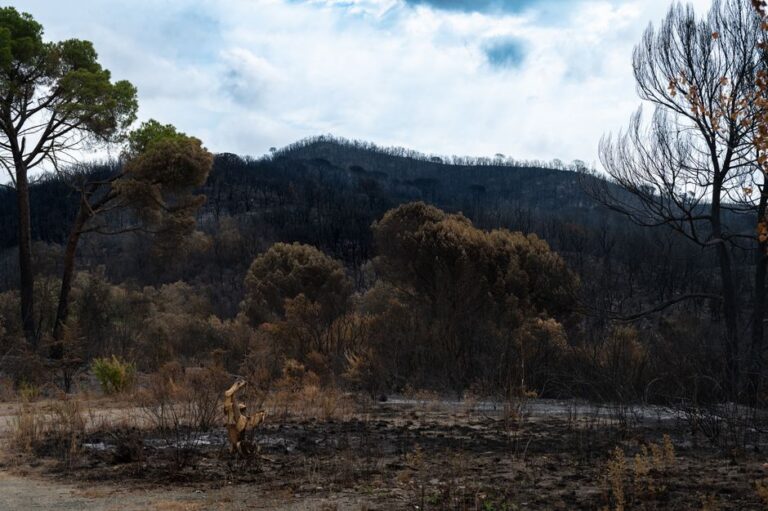
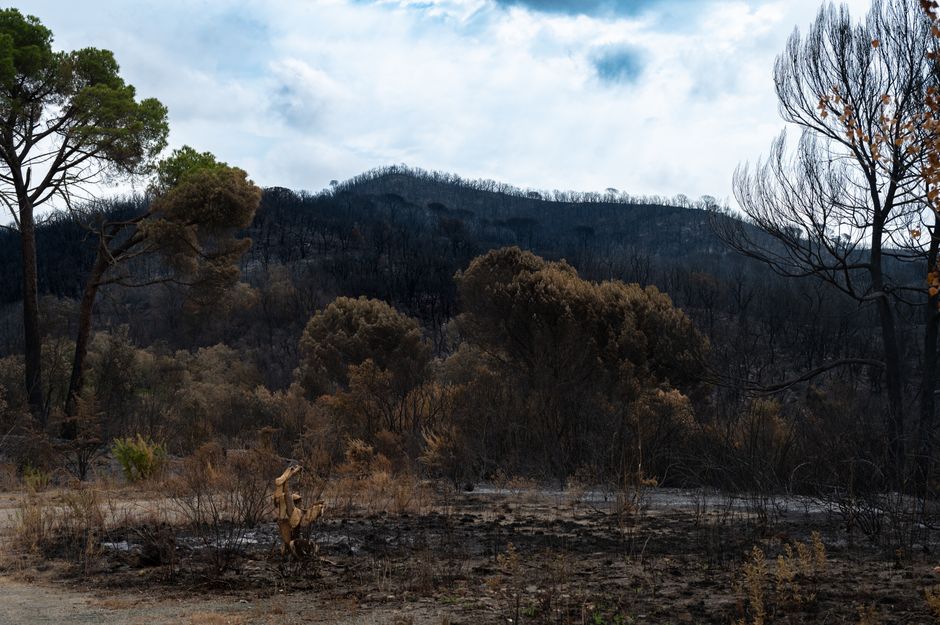
A wave of devastating wildfires sweeping through France and Spain has displaced more than 300,000 people and pushed national emergency services to a breaking point, raising urgent questions about whether Europe’s collective disaster response infrastructure is equipped to handle climate-driven catastrophes of this scale.
The blazes, among the most destructive to hit Western Europe in recent memory, have consumed vast stretches of forest and agricultural land across both countries. Local and national firefighting crews have been overwhelmed by the speed and ferocity of the fires, prompting governments to seek assistance through European Union emergency frameworks designed precisely for such cross-border crises.
The EU’s Civil Protection Mechanism has been activated in response, allowing member states to pool resources and request assistance from one another through a coordinated Brussels-based system. Alongside it, the rescEU emergency reserve — a dedicated stockpile of aerial firefighting assets and other crisis resources established in 2019 — has been mobilised to supplement national capabilities that have been stretched thin.
A System Under Strain
Despite the activation of these mechanisms, officials have acknowledged that the current level of resources falls short of what may be needed as climate change drives longer and more intense fire seasons across southern and central Europe. According to reports, EU authorities have indicated that even a significant expansion of the rescEU aerial fleet — potentially adding dozens more firefighting aircraft — would not fully close the gap between available capacity and the growing scale of demand.
The rescEU reserve was conceived as a European safety net, intended to step in when national stockpiles are exhausted. However, critics and policymakers alike have pointed out that the system was not designed to manage simultaneous large-scale emergencies in multiple member states, a scenario that is becoming increasingly common as extreme weather events multiply across the continent.
The financial and logistical burden of maintaining a robust pan-European firefighting capability remains a point of contention. Funding for rescEU assets is shared between the EU budget and contributing member states, and there is ongoing debate about whether current investment levels reflect the realities of a warming climate. Environmental experts have long warned that Mediterranean Europe in particular faces dramatically elevated fire risk in the decades ahead.
The crisis unfolding in France and Spain has reignited political discussion in Brussels about the long-term adequacy of the bloc’s civil protection architecture. Analysts say the events of this summer could accelerate calls for a more permanent and better-resourced European firefighting corps, rather than the current model of voluntary mutual assistance between countries that are often simultaneously managing their own emergencies at home.
For now, the immediate priority remains containing the fires and supporting the hundreds of thousands of people who have been forced to abandon their homes. Relief operations are ongoing, with personnel and equipment flowing across borders under the Civil Protection Mechanism. Whether Europe emerges from this crisis with a stronger collective framework — or simply a renewed awareness of its limitations — may depend on the political will that follows once the flames are finally out.