Hormuz Tensions Drag European Oil Markets Back Into Turbulence
European energy markets, which had only just begun to stabilise in the wake of a ceasefire agreement between the United States and Iran, are once again under significant pressure as fresh instability in the Strait of Hormuz sends oil prices climbing. The reversal has reignited concerns across the continent about energy security and the cost of imported crude, arriving at a moment when many European economies can ill afford another inflationary shock.
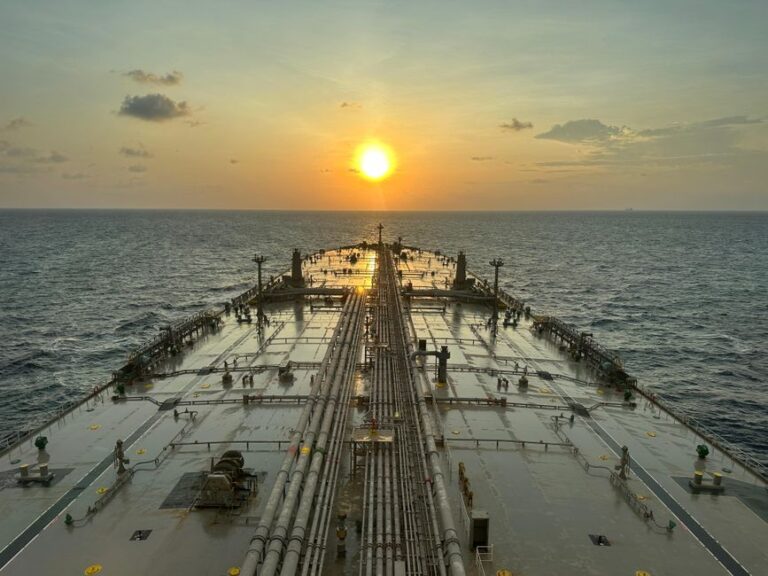
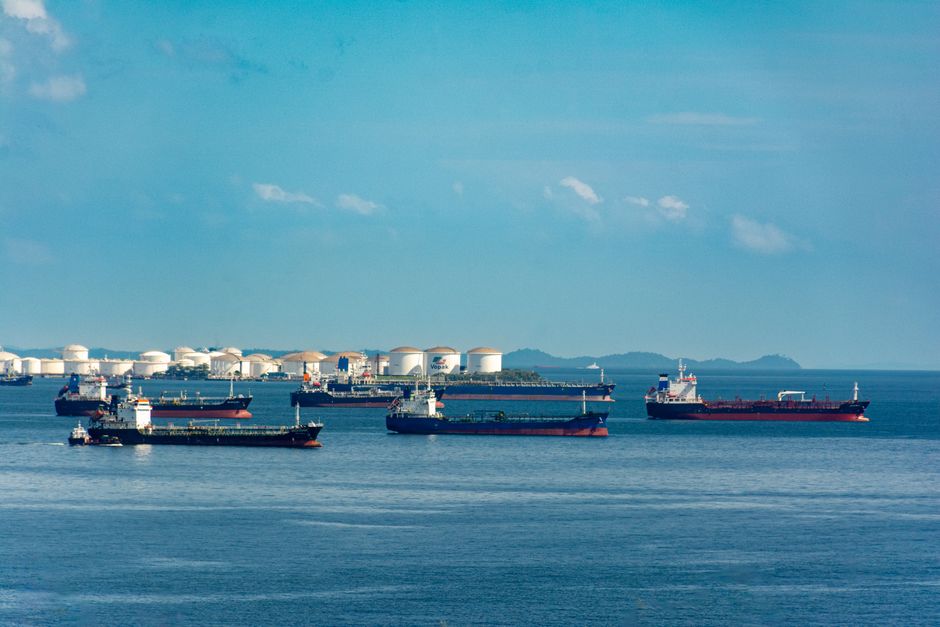
The Strait of Hormuz, the narrow waterway between the Persian Gulf and the Gulf of Oman, remains one of the world’s most strategically critical chokepoints for global oil supply. Roughly a fifth of the world’s oil passes through it each day, meaning any disruption — real or perceived — sends immediate tremors through commodity markets worldwide. According to reports, the renewed crisis has been sufficient to unwind much of the price relief that followed the ceasefire announcement, which had briefly brought a degree of optimism to traders and policymakers alike.
For European nations heavily reliant on seaborne oil imports, the consequences are particularly acute. Several countries across the continent have experienced notably sharp fluctuations in wholesale energy prices, with those most exposed to spot market purchases feeling the strain most acutely. Energy analysts have pointed to southern and central European economies as among the most vulnerable, given their comparatively limited domestic production capacity and higher dependence on imported crude.
A Fragile Recovery Tested Again
The timing of the latest escalation is especially troubling. European governments had spent much of the past year attempting to rebuild energy resilience following the disruptions caused by the conflict in Ukraine, diversifying supply routes and investing in liquefied natural gas infrastructure. Those efforts had yielded a degree of insulation, but the Hormuz crisis has demonstrated the limits of such measures when a major global supply corridor comes under threat.
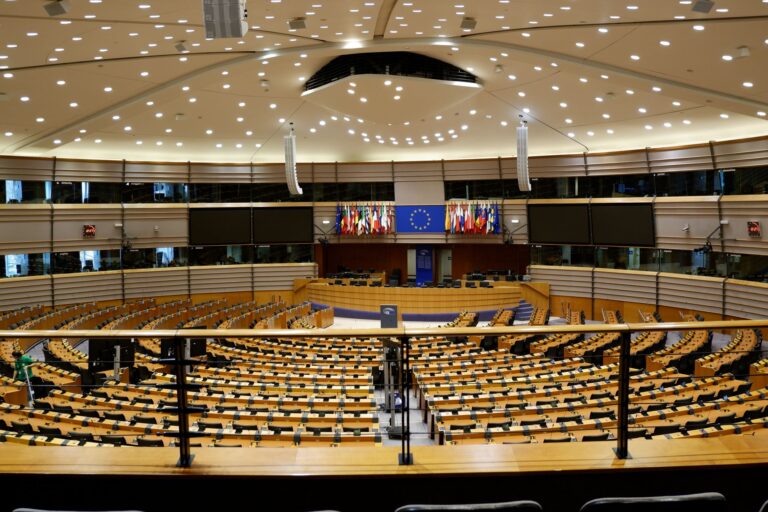
Officials have so far stopped short of declaring an emergency, though energy ministers in several member states are understood to be monitoring the situation closely. The European Commission has not yet issued formal guidance, but calls for coordinated monitoring of strategic reserves are growing louder within Brussels circles, according to reports. Any sustained spike in oil prices would feed directly into transport costs, manufacturing inputs, and ultimately consumer prices — a prospect that policymakers are keen to avoid as disinflation trends begin to take hold across the eurozone.
Market analysts note that the speed of the reversal — from ceasefire relief to renewed anxiety within a matter of days — underscores just how fragile the geopolitical foundations of global energy pricing remain. Even temporary disruptions or uncertainty surrounding the Hormuz shipping lanes are sufficient to override what might otherwise be fundamentally bearish market conditions, including relatively healthy global inventory levels.
For European consumers and businesses, the practical implications may take weeks to fully materialise at the pump and on energy bills, given the lag between wholesale movements and retail pricing. Nevertheless, the trajectory concerns both industry groups and government advisers who had been cautiously optimistic about easing cost pressures heading into the second half of the year. How long the current period of tension persists will depend heavily on diplomatic developments — factors that, for now, remain largely beyond Europe’s direct control.