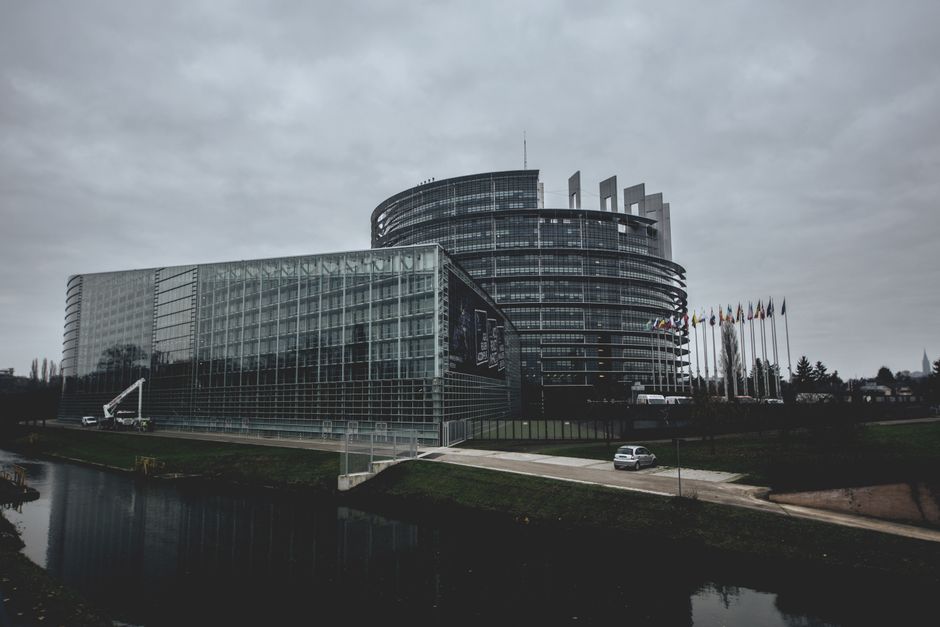
European Parliament Turns to Big Tech AI Tools to Manage Its Own AI Problem
The European Parliament, one of the world’s most prominent voices in regulating artificial intelligence, is now formally opening its doors to some of the biggest names in the AI industry — including OpenAI, Meta, Anthropic and French startup Mistral — as it seeks to bring the institution’s own expanding and largely uncoordinated use of the technology under official oversight.
The move carries an unmistakable irony: a legislature that spent years crafting the landmark EU AI Act, the most comprehensive AI regulatory framework in the world, is now turning to the very tools it has sought to govern in order to solve a problem those tools helped create. According to reports, the decision is driven less by enthusiasm for generative AI than by a recognition that lawmakers and parliamentary staff are already using it — often through personal accounts and unofficial channels — with little institutional visibility or control.
Bringing AI Use In From the Cold
By formally integrating vetted versions of these AI models into the Parliament’s infrastructure, officials hope to channel usage through approved, auditable systems rather than leave members and staff to rely on consumer-facing products that offer no institutional safeguards. The approach mirrors strategies adopted by several national governments and large organisations that have concluded that banning or ignoring AI adoption is neither realistic nor effective.
The selection of providers — OpenAI, known for its ChatGPT platform; Meta, with its open-source Llama models; Anthropic, maker of the Claude assistant; and Mistral, the Paris-based model seen as a European alternative — reflects a deliberate effort to avoid dependence on any single vendor, according to reports. The inclusion of Mistral in particular is likely to be viewed favourably by those within the institution who have pushed for greater European technological sovereignty.
The rollout is expected to assist with tasks ranging from drafting and summarising documents to research and translation — functions that align closely with the day-to-day demands of a multilingual institution processing enormous volumes of legislative text. The Parliament operates in 24 official languages, making AI-assisted translation and communication tools especially attractive.
Officials have indicated that the initiative is accompanied by governance frameworks intended to define acceptable use, protect sensitive data and ensure that outputs are subject to human review. Whether those guardrails will prove sufficient to satisfy critics — both inside and outside the institution — remains to be seen. Civil society groups and digital rights advocates have previously raised concerns about the Parliament’s data handling practices and the risks of embedding commercial AI systems into core legislative processes.
The development also raises broader questions about the relationship between European institutions and the global AI industry at a time when the EU is simultaneously positioning itself as a regulatory authority and competing to attract AI investment and talent. For now, the Parliament appears to have concluded that the risks of unmanaged AI adoption outweigh those of a structured, if imperfect, embrace of the technology — a calculation that may soon be faced by institutions across the continent.