IEA Warns Europe Faces Serious Energy Risks If Hormuz Strait Closes
Europe must not assume it is shielded from the potentially devastating consequences of a prolonged closure of the Strait of Hormuz, the head of the International Energy Agency has cautioned, warning that complacency about global energy security could prove costly for the continent and the wider world.
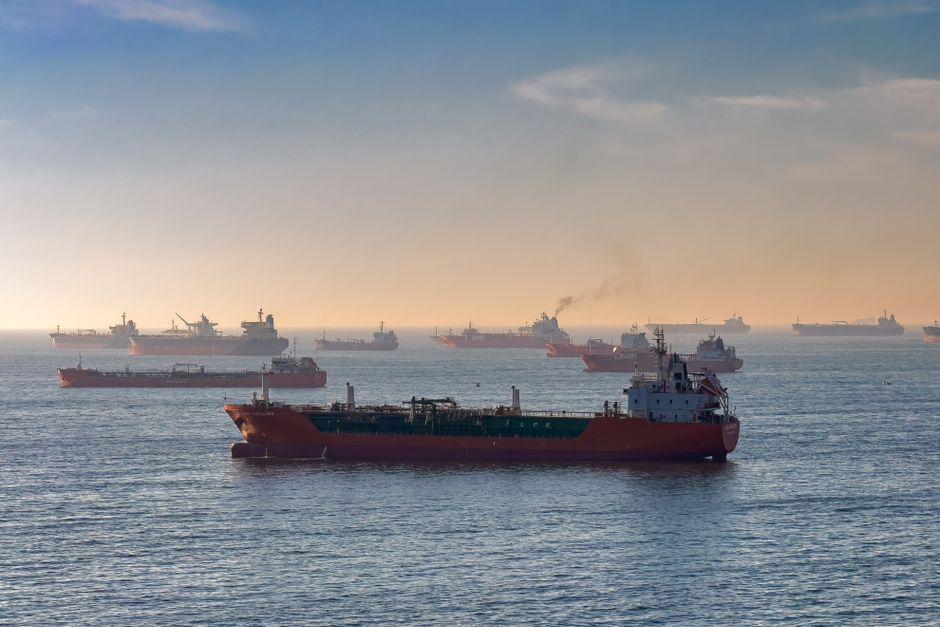
Fatih Birol, executive director of the Paris-based IEA, made the remarks in an interview with Euronews, stressing that any sustained disruption to one of the world’s most critical oil and gas transit corridors would send shockwaves far beyond the Middle East. The Strait of Hormuz, a narrow waterway between Iran and Oman, serves as the passage point for roughly a fifth of the world’s oil supply, making it a linchpin of global energy markets.
Birol’s comments come at a time of heightened geopolitical tension in the region, with ongoing instability raising concerns among energy analysts and policymakers about the vulnerability of global supply chains. According to reports, the IEA chief described it as a significant error for European governments or populations to believe that geography or recent energy diversification efforts would insulate them from a worst-case scenario.
Why Europe Cannot Afford to Look Away
While Europe has taken meaningful steps to reduce its dependence on Russian energy following Moscow’s full-scale invasion of Ukraine in 2022 — including increased imports of liquefied natural gas and the accelerated rollout of renewable energy capacity — analysts note that the continent remains deeply integrated into global fossil fuel markets. A major supply shock emanating from the Gulf would drive up prices internationally, regardless of where European countries source their immediate imports.
The IEA has previously highlighted that oil is a globally traded commodity, meaning that a disruption anywhere in the supply chain reverberates across all importing nations through price mechanisms. A closure of the Hormuz Strait, even a temporary one, would likely trigger a sharp spike in crude oil prices, feeding through into fuel costs, inflation, and broader economic pressures across Europe and beyond.
Energy security has climbed back to the top of the European policy agenda in recent years, driven first by the fallout from the Russia-Ukraine conflict and now by simmering tensions across multiple fronts in the Middle East. EU member states and the European Commission have invested considerable political capital in building up strategic reserves and forging new supply partnerships, but officials acknowledge that the transition away from fossil fuels remains incomplete.
The IEA chief’s intervention serves as a pointed reminder that the energy security challenge facing Europe is not merely a question of Russian gas, but of a far more complex and interconnected global system. Birol’s message, according to reports, was unambiguous: the risks are real, they are present, and dismissing them would be a serious miscalculation. For European policymakers juggling competing economic and geopolitical priorities, the warning underscores the urgency of maintaining vigilance and continuing to accelerate the clean energy transition as the most durable long-term hedge against global supply volatility.