Hormuz Ceasefire Extension: What It Means for European Energy
The announcement at the G7 summit in Evian on 15 June 2026 landed with immediate force on European energy markets. The United States and Iran confirmed a 60-day extension of their ceasefire alongside a framework agreement restoring freedom of navigation in the Strait of Hormuz. The EU Foreign Affairs Council, meeting the same day, took formal note of the deal, stating that the strait “should remain open and toll-free.” For European businesses, households, and policymakers, the consequences are already measurable — though significant uncertainty remains.
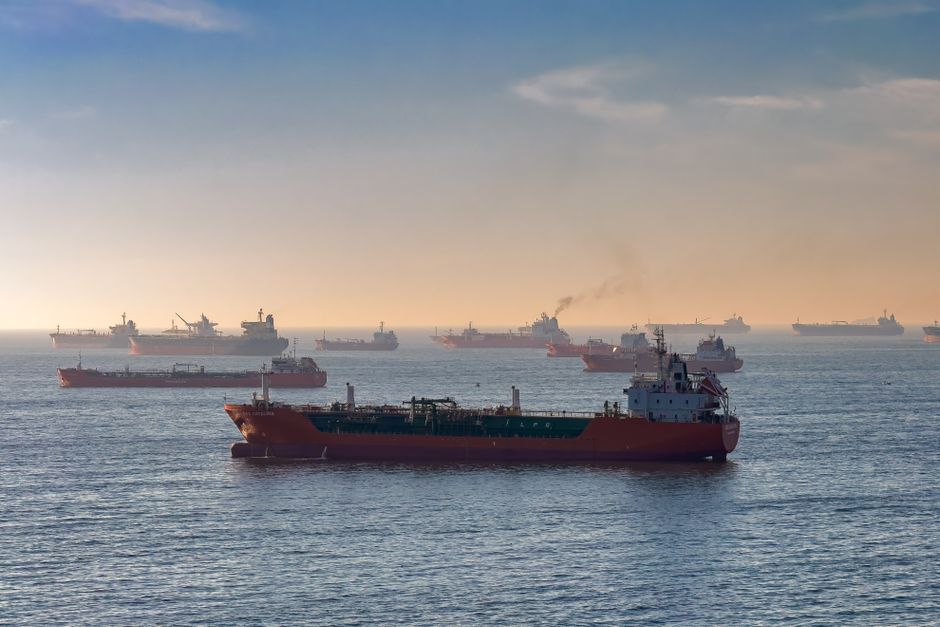
The Strait of Hormuz carries roughly 20 million barrels of oil per day, accounting for approximately 20 per cent of global daily supply. When tanker-targeting incidents and suspected mining operations escalated ahead of the G7 meeting, insurance surcharges for vessels transiting the strait surged by 400 per cent. Brent crude reached $89 per barrel at its May peak. The ceasefire announcement reversed that trajectory sharply: Brent fell to approximately $71 per barrel in the hours following the deal, an $18 drop that represents one of the most rapid price corrections the market has seen in recent years.
European gas futures tracked the move. TTF prices fell 12 per cent on the news, while the euro strengthened against the dollar — a signal that currency markets read stabilised energy supply as a net positive for the eurozone’s structural position. For Germany, where 12 per cent of oil imports travel via Hormuz-linked routes, the relief is tangible. Manufacturers already squeezed by elevated energy costs since 2022 gain immediate breathing room. Rotterdam, Europe’s largest port, had been diverting vessels to longer routes; those ships are now returning to normal transit patterns.
Italian and Greek tanker operators, including firms linked to the Grimaldi group and Onassis-connected shipping interests, bore the sharpest operational costs during the crisis weeks. The collapse in insurance surcharges directly restores their margins. France’s TotalEnergies, which saw LNG deliveries from Qatar and the UAE delayed, has confirmed shipments are resuming. Should sanctions on Iranian oil be eased as part of a broader nuclear framework — which remains a separate but connected negotiation — TotalEnergies would face a substantial commercial opportunity, having held prior equity stakes in Iranian upstream assets before the reimposition of US sanctions.
The structural implications of a sustained deal extend beyond the immediate price correction. If Iranian oil re-enters global markets at the anticipated scale of 1 to 1.5 million additional barrels per day, analysts project Brent could stabilise in a $60 to $65 per barrel range. Combined with the REPowerEU programme’s ongoing effort to diversify Europe away from Russian pipeline gas, that scenario could reduce the EU’s overall energy import bill by €80 to €100 billion annually compared with the 2022 crisis peak — a figure with profound consequences for European competitiveness and public finances.
The European Central Bank is watching closely. President Christine Lagarde has consistently identified energy prices as the primary variable in the eurozone’s inflation trajectory. Stabilised input costs would strengthen the case for further rate easing in the second half of 2026, with knock-on benefits for mortgage holders, small and medium enterprises, and European capital investment more broadly.
Caution is warranted, however. European energy stocks — Shell, TotalEnergies, Equinor, and ENI among them — produced mixed reactions to the announcement. Lower input costs benefit the downstream and consumer-facing operations, but Iranian oil re-entry threatens upstream revenue assumptions built on tighter supply. More pressingly, Saudi Arabia and the UAE have signalled deep discomfort at the prospect of Iranian market share returning. An OPEC+ emergency meeting is considered likely. The ceasefire has changed the energy landscape materially — but the stability markets are pricing in has yet to be earned.