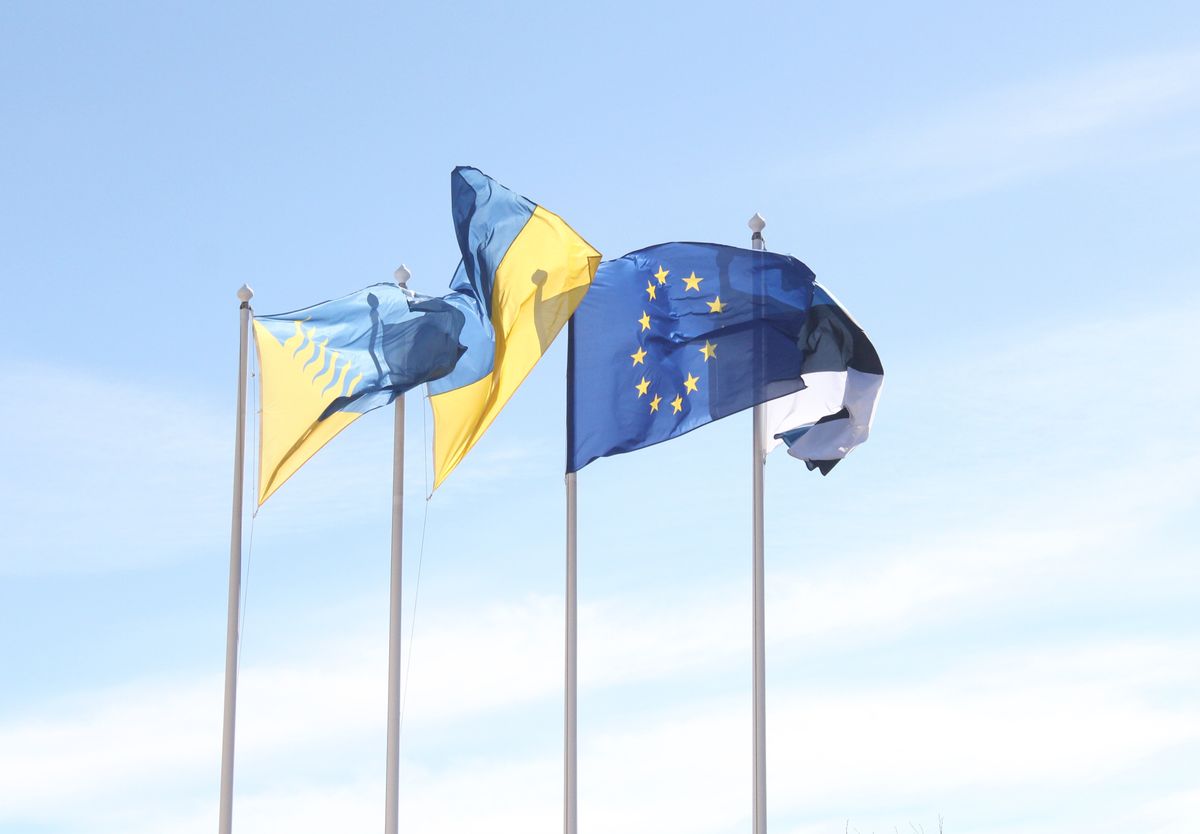
EU Opens First Accession Cluster With Ukraine and Moldova
European Union leaders gathering in Brussels on 18 and 19 June are expected to formally endorse the opening of the first accession cluster with Ukraine and Moldova, lending decisive political authority to a breakthrough that occurred just days earlier. On 12 June, Presidents Costa, von der Leyen, and Zelenskyy issued a joint statement confirming the launch of the so-called Fundamentals cluster — the first such opening in three years and the end of a prolonged diplomatic impasse that had frustrated Kyiv and Brussels alike. Moldovan President Maia Sandu received the same confirmation simultaneously, in recognition of Chișinău’s quietly consistent reform record.
The European Council conclusions expected from this summit will, for the first time since Ukraine received candidate status in 2022, explicitly reference Kyiv’s accession track. That distinction matters. Technical-level confirmations carry procedural weight; a formal endorsement by heads of state and government signals collective political will across twenty-seven member states, including those historically sceptical of rapid enlargement.
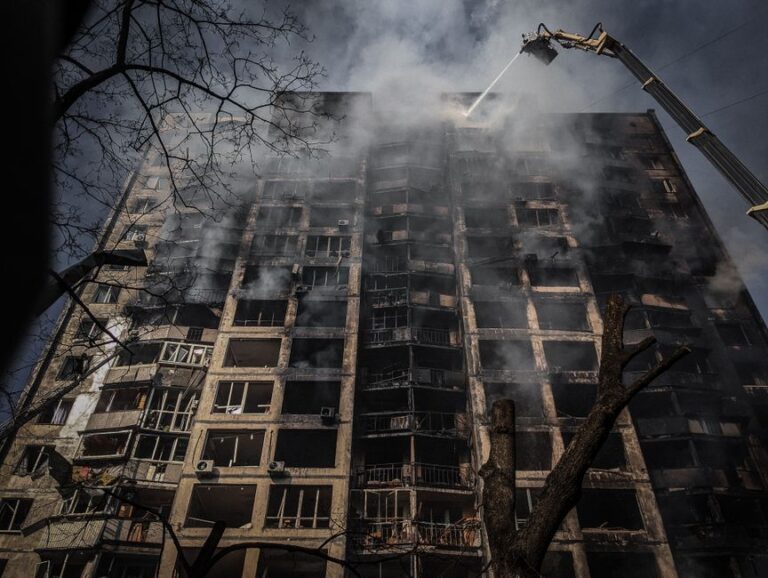
The Fundamentals cluster is deliberately demanding. It encompasses rule of law, judicial independence, anti-corruption measures, fundamental rights, press freedom, and the fight against organised crime — precisely the areas where candidate countries have historically stalled. For Ukraine, demonstrating sustained implementation under active wartime conditions represents an unprecedented test. The European Commission has announced increased monitoring mechanisms to account for the complexity of reform delivery while Russian missiles continue to strike Ukrainian infrastructure.
Moldova’s path deserves equal attention despite attracting less headlines. The Sandu government maintained its reform agenda through sustained Russian pressure, including energy blackmail and sophisticated disinformation campaigns targeting the 2024 electoral cycle. Brussels regards Chișinău’s trajectory as a model of resilience, and the simultaneous cluster opening reflects that assessment.
Practical consequences follow immediately. Pre-accession funding under the Instrument for Pre-Accession Assistance increases upon cluster opening. The Joint EU-Ukraine Parliamentary Committee will convene more frequently, strengthening legislative alignment. Ukraine also gains observer status in selected EU agencies covering competition, environmental regulation, and food safety — a tangible integration step that precedes formal membership by years.
A Franco-German non-paper circulated on 4 June adds further ambition to the discussion. Paris and Berlin jointly propose a graduated integration architecture: observer status in the General Affairs Council for candidates making sufficient progress, earlier single market access in compliant sectors, and phased participation in programmes including Horizon Europe, Erasmus+, and the Connecting Europe Facility. Leaders are expected to discuss the non-paper at the summit dinner, though no formal decision is imminent. The proposal nonetheless signals that the two largest member states regard pre-accession integration, rather than full membership alone, as the operative policy instrument for the coming years.
The contrast with the Western Balkans sits uncomfortably in the room. Montenegro has closed 35 of 42 accession chapters and remains the candidate closest to membership, yet the finish line recedes with each procedural delay. Serbia’s reluctance to align with EU sanctions on Russia creates a politically awkward juxtaposition: a country at peace moving more slowly than one fighting an existential war. Baltic, Polish, and Czech delegations have pressed openly for a faster track for Ukraine, while France and Germany endorse acceleration without committing to binding timelines.
Realistic projections place full Ukrainian accession between 2030 and 2035, contingent principally on war resolution. The cluster opening does not change that calculus directly, but it restores momentum to a process that urgently needed it. For Kyiv, the political signal from this European Council may prove as consequential as any single chapter negotiation that follows.