EU ministers prep June summit amid budget, Hungary row
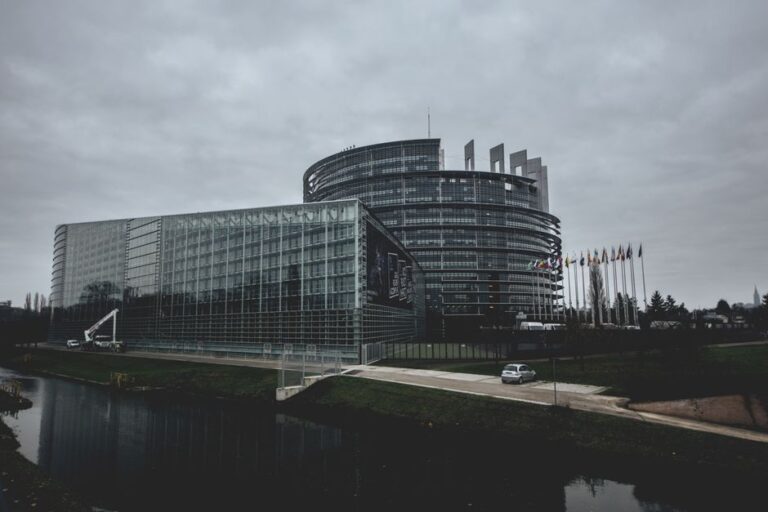
European affairs ministers convened in Luxembourg this week to finalise preparations for the European Council summit scheduled for 18-19 June, with the multiannual financial framework for 2028-2034 taking centre stage alongside persistent concerns over Hungary’s rule-of-law compliance.
The General Affairs Council, meeting from 9 to 13 June 2026, examined a negotiating box prepared by the Cypriot presidency that for the first time includes concrete financial figures for the next long-term EU budget. The document marks a significant step forward in what have until now been largely conceptual discussions about the post-2027 spending period.
European Council President António Costa told ministers that new own resources would play a pivotal role in financing the upcoming budget cycle. The statement signals Brussels’ determination to reduce member state contributions whilst expanding the EU’s fiscal capacity, a politically sensitive issue that has repeatedly divided net contributors and beneficiaries in previous MFF negotiations.
The Cypriot presidency’s introduction of detailed figures enables substantive financial discussions ahead of what are expected to be protracted negotiations over the coming months. Member states remain divided over the overall size of the budget, sectoral allocations, and the balance between traditional policies such as cohesion and agriculture versus newer priorities including defence, digital transition, and climate action.
Ministers also addressed the ongoing Article 7 procedure against Hungary, which continues to raise serious concerns over judicial independence, media freedom, and legislation perceived as discriminatory towards LGBTQ individuals. The procedure, initiated years ago, has made limited tangible progress despite repeated Council discussions and remains a source of friction between Budapest and its European partners.
The Hungarian government has consistently rejected accusations that it violates EU values, characterising criticism as politically motivated interference in domestic affairs. However, the Commission and several member states maintain that fundamental rule-of-law deficiencies persist, warranting continued scrutiny under the treaties’ most serious enforcement mechanism.
Beyond financial planning and rule-of-law concerns, the Council reviewed draft conclusions for the upcoming European Council summit. Leaders gathering next week will address Ukraine support as Russia’s invasion enters its fifth year, developments in the Middle East, European defence and security cooperation, migration policy, and efforts to combat illicit drug trafficking.
Ministers were also invited to endorse an 18-month programme covering the period from July 2026 to December 2027, spanning the Cypriot and Danish presidencies. The joint programme will set priorities and guide legislative activity across three Council presidencies, providing continuity in an increasingly complex geopolitical environment.
The European Semester, the EU’s annual economic policy coordination cycle, featured on the agenda as member states prepare to implement country-specific recommendations for fiscal sustainability and structural reforms. The framework has gained renewed importance as governments navigate the post-pandemic economic landscape whilst managing energy transition costs and defence spending increases.
A progress report on simplification, prepared by the Cypriot presidency, was presented to ministers amid growing complaints from member states and businesses about regulatory burden. The issue has become politically salient following competitive pressure from the United States and China, with industry groups warning that excessive bureaucracy hampers European competitiveness.
On 10 June, member states reached agreement on defence matters that will feed into the European Council discussions. The deal includes provisions for the European Defence Industry Programme and arrangements for Ukraine’s association with the European Defence Fund, reflecting the bloc’s shifting strategic posture in response to the security situation on its eastern border.
The inclusion of defence as a substantive agenda item at the June summit underscores the extent to which security concerns have moved to the forefront of EU policymaking. Leaders are expected to discuss enhanced cooperation on defence industrial capacity, joint procurement initiatives, and the institutional framework required to support greater integration in this traditionally sensitive domain.
With negotiations on the next MFF now entering their substantive phase, the coming months will test member states’ willingness to reconcile competing budgetary demands against a backdrop of heightened security threats, economic uncertainty, and persistent internal disagreements over values and governance standards. The Luxembourg meeting laid the groundwork for what promises to be one of the most consequential European Council summits of the current institutional cycle.