EU Affairs Ministers Meet in Luxembourg to Finalise June European Council Agenda on MFF and Hungary
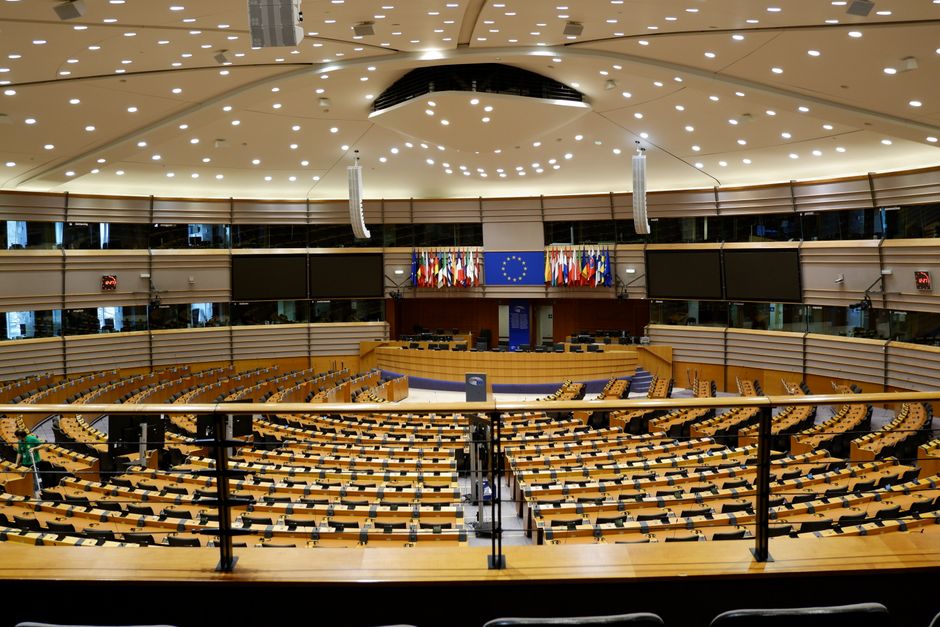
EU affairs ministers convened in Luxembourg on Tuesday to finalise the agenda for this month’s European Council summit, with discussions dominated by the forthcoming Multiannual Financial Framework (MFF) for 2028-2034 and ongoing concerns about rule of law violations in Hungary. The General Affairs Council meeting, traditionally held ahead of European Council gatherings, saw ministers grapple with budgetary priorities that will shape EU spending for the next seven years.
The MFF negotiations have entered a critical phase, with ministers examining a negotiating box structured around three main pillars, according to diplomatic sources present at the meeting. While officials declined to provide detailed breakdowns of the pillars, the framework is understood to address traditional cohesion and agricultural spending alongside newer priorities including climate transition, digital infrastructure, and strategic autonomy. The discussions reflect deepening divisions between net contributor and net beneficiary member states over the overall size of the budget and the balance between existing programmes and emerging challenges.
Ministers also received a procedural update on the Article 7 proceedings against Hungary, the EU’s most severe disciplinary mechanism for member states accused of systematic threats to fundamental values. The process, initiated in 2018 over concerns about judicial independence and democratic backsliding, has made limited progress due to the unanimity requirement for sanctions. A Council spokesperson confirmed that member states had been briefed on the current status but indicated no breakthrough was imminent, with the issue likely to feature in closed-door discussions at the upcoming European Council.
In a forward-looking move, ministers formally endorsed the Council’s 18-month programme covering the period from July 2026 to December 2027, which will span multiple rotating presidencies. The programme sets out legislative and political priorities across all Council configurations, providing continuity and strategic direction for the institution’s work. Ministers also reviewed a presidency report on simplification efforts, part of ongoing initiatives to streamline EU decision-making processes and reduce administrative burdens on member states and businesses.
The state of play in EU-UK relations featured on the agenda as well, with ministers exchanging views on the implementation of existing agreements and potential areas for deeper cooperation. Since Brexit, the relationship has evolved through periodic tensions over Northern Ireland protocol implementation and more constructive engagement on foreign policy and security matters. Diplomatic sources suggested ministers discussed possible enhancements to cooperation frameworks, though no concrete proposals were tabled.
The General Affairs Council serves as a coordinating body within the EU’s institutional architecture, preparing European Council meetings and ensuring horizontal coherence across policy areas. Tuesday’s discussions will feed directly into the summit agenda, where heads of state and government will make final political decisions on the issues debated by ministers. The June European Council is expected to provide strategic guidance on MFF negotiations, potentially setting parameters for the intensive technical work ahead before a final agreement can be reached, likely requiring multiple summits throughout 2026 and into 2027.