Brussels Races to Shield Households and Industry from the Energy Shock as AccelerateEU and the Citizens’ Energy Package Take Effect
The European Commission is implementing two major policy packages to shield households and industry from persistent energy price shocks, with the AccelerateEU initiative and Citizens’ Energy Package taking effect simultaneously in spring 2026. The dual approach combines immediate fiscal relief with structural reforms to reduce energy bills, strengthen supply security and accelerate the continent’s transition away from fossil fuels, though independent analysts warn that many national governments are pursuing unfocused spending that could strain public finances.
The Dual-Track Response: AccelerateEU and Citizens’ Energy
On 22 April, the European Commission unveiled AccelerateEU—Energy Union, a comprehensive communication (COM/2026/370) designed to move beyond emergency responses to the Middle East conflict’s impact on energy markets. The initiative centres on five pillars: closer member-state coordination, gas storage replenishment, temporary releases of oil reserves, exceptional national support measures, and longer-term resilience building. A week later, on 30 April, the Commission published recommendations accompanying the Citizens’ Energy Package (COM/2026/115), a complementary framework addressing the structural components of household energy bills.
The twin policies represent a fundamental shift in Brussels’ crisis management approach. Rather than temporary price caps—the blunt instrument deployed in 2022—these packages aim to retarget relief towards vulnerable populations whilst maintaining fiscal discipline and market functionality. The Commission notes that “electricity taxes and levies make up around 25% of the household price on average”, making tax reform a critical lever for long-term affordability.
Targeted Support for Households and Vulnerable Customers
AccelerateEU proposes three primary tools for household relief: targeted income support, energy vouchers, and reduced electricity excise duties for vulnerable households. This represents a deliberate shift away from untargeted price controls that, according to the Commission and the European Central Bank, drain public finances without effectively reaching those most in need.
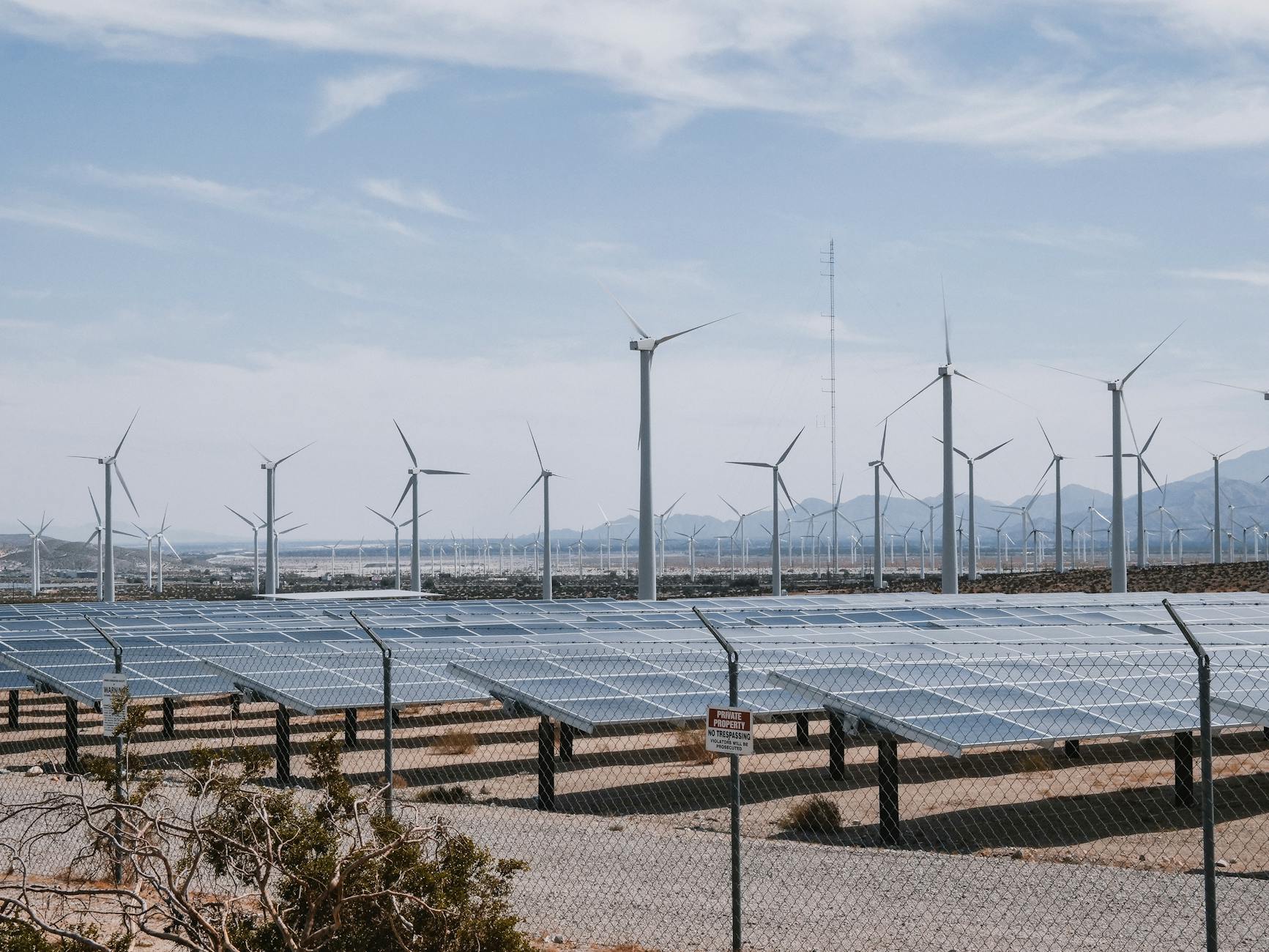
The Citizens’ Energy Package complements this approach by establishing consumer protections and market mechanisms to reduce bills structurally. The package mandates that vulnerable customers cannot face disconnection and requires energy suppliers to process switches within 24 hours by the end of 2026. The Commission estimates substantial savings from distributed generation: households installing solar panels and self-consuming electricity could save EUR 260-550 annually, whilst “mixed wind-and-solar communities EUR 440-930” annually.
These figures underscore a strategic pivot towards decentralised energy production as an affordability tool, not merely an environmental objective. Energy communities, which pool resources for renewable investment, are positioned as vehicles for cost reduction among lower-income groups.
Industrial Support and the New Fuel Observatory
Industry faces a dedicated temporary state-aid framework, operational until 31 December 2026, protecting four priority sectors: agriculture, fisheries, transport and energy-intensive manufacturing. This carve-out acknowledges the particular vulnerability of sectors with limited capacity to absorb energy costs or shift suppliers rapidly.
Simultaneously, the Commission has established a new Fuel Observatory to provide transparency across transport fuel markets, tracking “production, imports, exports and stocks of transport fuels”. The tool aims to prevent speculation and information asymmetries that exacerbated the 2022 crisis, offering member states and industry real-time data to guide procurement decisions.
The Fiscal Discipline Debate
Yet a fundamental tension underpins the policy rollout: the gap between Commission guidance and member-state implementation. Bruegel and other independent analysts have warned that “most national fiscal responses so far have been untargeted—contrary to advice from the Commission and the ECB—raising the cost to public finances without focusing help on those who need it most”.
This divergence reflects the political reality of energy crises. Governments facing domestic pressure have opted for broad-based price support rather than means-tested assistance, prioritising electoral durability over budgetary prudence. The Commission’s stress-testing of national responses appears to have had limited disciplinary effect, a challenge that will resurface as member states design their 2027 budgets.
The Commission maintains that energy security remains stable, crediting earlier REPowerEU investments in liquefied natural gas terminals and renewable capacity. “There is no immediate security-of-supply concern,” officials have stated, providing political cover for the shift towards targeted rather than universal support.
The Longer-Term Agenda: Electrification and Taxation
Looking beyond immediate relief, Brussels has committed to deeper structural change. An Electrification Action Plan is scheduled for summer 2026, targeting the acceleration of heat pump deployment and industrial process electrification. Subsequent work on the European Grids Package will address transmission bottlenecks limiting renewable integration. Most ambitiously, the Commission plans to propose differential taxation favouring electricity over fossil fuels, directly reshaping price signals in energy markets.
These measures represent the intellectual continuation of the Green Deal but reframed as affordability instruments. By reducing electricity costs relative to gas through tax policy, Brussels seeks to make heat pumps and electric vehicles economically rational choices for households rather than premium purchases.
Conclusion: Reform Under Pressure
The AccelerateEU and Citizens’ Energy packages reflect the Commission’s attempt to thread a narrow needle: providing genuine relief to households and industry whilst maintaining fiscal discipline and advancing the green transition. The success of this balancing act depends heavily on member-state compliance with targeting principles—a political test that remains unresolved as energy markets stabilise but prices remain elevated by pre-war standards.