European Commission unveils Fertilisers Action Plan today to secure food security and curb rising costs
Brussels – The European Commission presents today, Tuesday 19 May 2026, its long-awaited Fertilisers Action Plan, a strategic blueprint designed to address rising EU fertiliser prices, secure supply chains, and strengthen the bloc’s food sovereignty. The plan will be debated this afternoon with MEPs in the Strasbourg plenary, before broader public consultation in the coming weeks.
The Commission’s initiative responds to a structural challenge that has accumulated since the 2022 energy crisis: European fertiliser prices remain elevated compared to global benchmarks, while dependency on Russian and Belarusian nitrogen and potash imports — though significantly reduced since 2022 — continues to expose the bloc to geopolitical risk.
Three pillars of the action plan
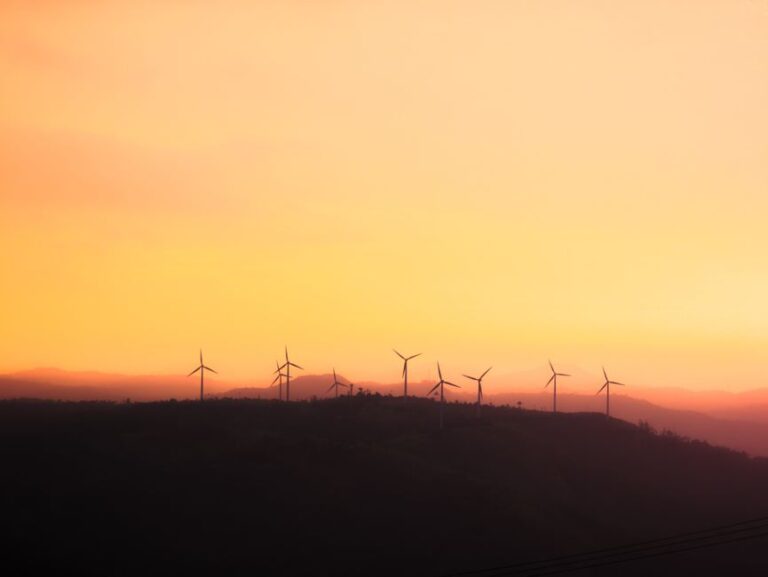
According to the draft circulated to Member States ahead of the formal presentation, the Action Plan rests on three operational pillars: diversification of supply sources (including new partnerships with Morocco, Egypt, Algeria, and Canada for phosphates and ammonia), support for domestic production (acceleration of green ammonia projects using renewable energy in Spain, the Netherlands, and Germany), and circular economy measures for organic fertilisers and nutrient recovery from wastewater and bio-waste.
The plan also addresses price transparency, with a proposed EU-wide fertiliser price observatory that would monitor wholesale movements weekly and flag abnormal volatility to national competition authorities.
Industrial stakes for European agriculture
For European farmers, fertiliser costs typically represent 20-30% of cereal input costs and remain a critical driver of food price inflation. The 2022-2023 price surge, when nitrogen fertilisers tripled in some markets, illustrated the systemic vulnerability of EU agriculture to fossil fuel and supply shock exposure.
The Commission’s plan dovetails with the broader Critical Raw Materials Act adopted in 2024, which had already identified phosphate rock and potash as strategic raw materials. The Action Plan introduces an indicative target: at least 30% of EU fertiliser consumption from domestic or near-shore production by 2030, up from approximately 18% in 2024.
Reactions and next steps
Farming associations, including Copa-Cogeca, have broadly welcomed the announcement while calling for binding commitments rather than indicative targets. Environmental NGOs have stressed the need to couple the plan with stricter precision agriculture mandates to reduce excess use. Member States with significant fertiliser industries — Belgium, Germany, the Netherlands, Poland — are expected to push for accelerated implementation timelines.
The next milestone is the Council debate scheduled for early June, followed by a Parliament resolution expected before the summer recess.